
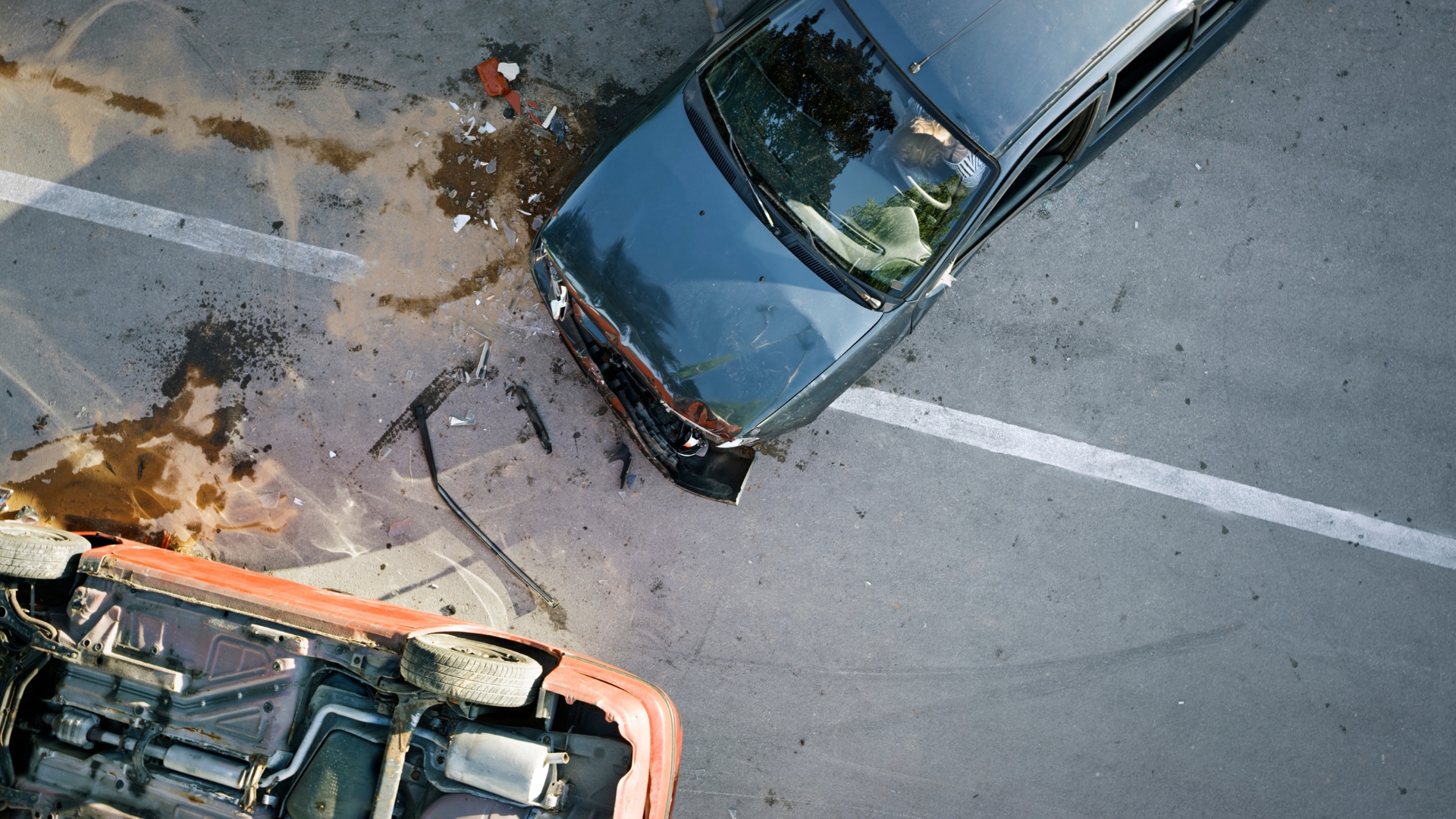
Your hands are still shaking. Your car might be crumpled, your plans for the day are gone, and somewhere underneath the adrenaline, one question keeps surfacing. What now? Knowing what to do after a car accident in California can decide how fast you heal, how much you recover, and whether the insurance company controls the outcome or you do. The next few minutes matter. So do the next few weeks.
Robert Hindin & Associates has spent decades helping California drivers cut through exactly this kind of chaos. Founding attorney Robert Hindin has practiced law in California since 1975, and the firm now represents injured drivers, passengers, cyclists, and pedestrians in car accident claims across the state, not just in Los Angeles. This guide walks you through every step, from the first call you make at the scene to the moment you decide whether you need an attorney in your corner.
If you were just in a car accident in California, call Robert Hindin & Associates today at (310) 473-0337 for a free consultation. You pay nothing unless we win your case.
What Are the First Steps After a Car Accident in California
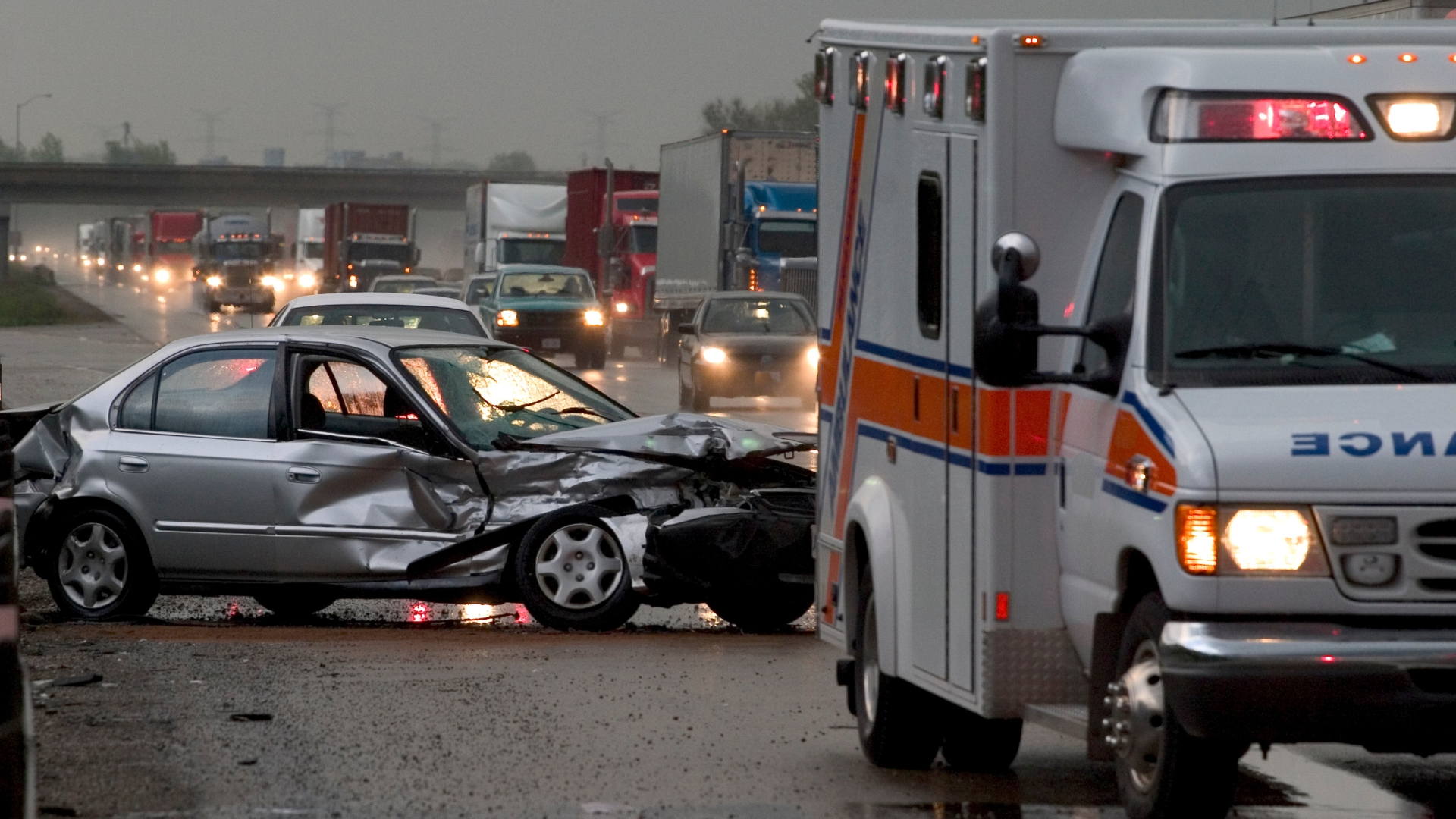
The first ten minutes after a crash set the tone for everything that follows. Adrenaline tells you to keep moving, brush it off, get to where you were going. Don’t listen to it. What you do right now, while your hands are still shaking and your brain is still catching up, can shape your health, your case, and your future.
This is the moment insurance companies are counting on you to get wrong. They know most people are rattled, polite, and eager to make the whole thing disappear. Robert Hindin & Associates sees the cost of that every day: drivers who said the wrong thing, skipped the right call, or assumed they were fine when they weren’t. Slow down. Here is exactly what to do.
How to Check for Injuries and Call 911 After a Crash
Before you think about your car, think about your body. Check yourself first, then check anyone else in the vehicle with you. Some injuries announce themselves immediately. Others, like whiplash, internal bleeding, or a concussion, can stay quiet for hours or even days while adrenaline masks the pain.
Call 911 anytime there is an injury, no matter how minor it looks, and anytime the crash involves significant vehicle damage. A driver who rear-ends you at 35 miles per hour and leaves you with a stiff neck might seem fine on the scene, then wake up the next morning unable to turn their head. Getting checked out immediately creates a medical record that ties your injury directly to the collision, which matters far more than it sounds like it should.
Why You Should Move Your Vehicle to a Safe Location After a Collision
If your car still runs and nobody needs immediate medical attention, get it out of traffic. A disabled vehicle sitting in an active lane is not a badge of honor. It is a second collision waiting to happen.
Pull onto the shoulder, into a parking lot, or anywhere clear of moving traffic. Turn on your hazard lights the moment you stop. If the vehicles cannot move, stay inside with your seatbelt on and your hazards flashing until help arrives, especially on a freeway where traffic is moving fast, and drivers are not expecting a stopped car ahead of them.
What Not to Say at the Scene of a California Car Accident
Here is where good instincts turn into bad evidence. Most people are wired to apologize, smooth things over, and reassure everyone that they are okay. At a crash scene, that instinct can quietly damage a claim before you even know you have one.
Stick to facts. Exchange information, confirm everyone is safe, and wait for police if they are called. Do not speculate about speed, distance, or who had the right of way. Do not say “I’m sorry” or “I should have seen you coming,” even as a reflex, because those words can resurface later as an admission of fault, regardless of what actually caused the crash.
Common Statements That Can Hurt Your California Injury Claim
“I’m fine” is the single most expensive sentence spoken at accident scenes across California every day. Say it to a police officer or the other driver, and that statement can end up in a report, used later to argue you were not actually hurt, even when symptoms show up two days afterward. The same goes for guessing your speed out loud, agreeing to “just handle this between us,” or accepting blame to keep the peace. Stay calm, stay quiet on opinions, and let the facts of the crash speak for themselves.
What Evidence Should You Collect After a California Car Accident
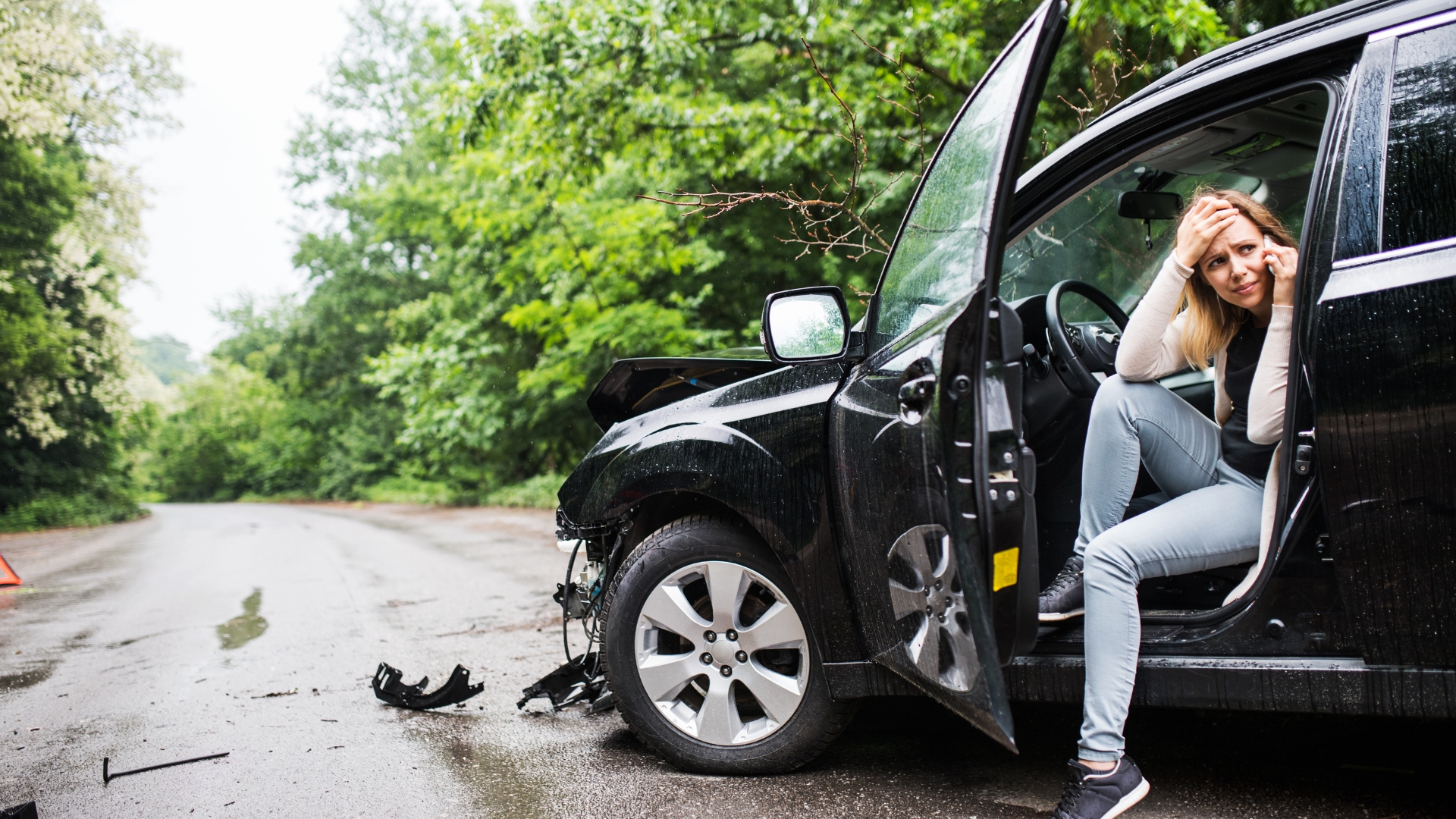
Skid marks fade. Memories blur. The other driver’s story has a funny way of shifting overnight once their insurance company gets involved. Everything you capture in the minutes after a crash becomes the foundation of your case, long before anyone uses the word “claim.”
Insurance adjusters do not wait. Many start building a defense within days of the accident, sometimes hours. If you walk away from the scene without your own record, you are handing them the only version of events. We will cover exactly what to photograph, who to talk to, and which reports actually protect you in California.
What Photos and Videos to Take After a Car Crash
Pull out your phone and document everything before a single vehicle moves, if it is safe to do so. Take wide shots of the entire scene first, showing where each car ended up, then move in close on damage, license plates, skid marks, broken glass, and debris in the road. Capture traffic signals, posted speed limits, road signs, and weather conditions too, since all of it can matter later.
A cracked taillight might seem like a small detail standing on the side of the road. That single photo can become the deciding piece of evidence months later, when the other driver claims you backed into them instead of the other way around. Photograph your own visible injuries as well, even minor scrapes or bruising, because how you looked at the scene tells a story insurance companies cannot argue with.
How to Exchange Information With the Other Driver After an Accident
Get the other driver’s full name, phone number, insurance company, policy number, driver’s license number, and license plate. Write down the vehicle’s make, model, and color too, in case any of it gets disputed later. Keep this exchange short and factual. You are gathering information, not negotiating fault or discussing what happened.
If multiple vehicles are involved, collect this same information from every driver on the scene, not just the one you believe hit you. A three-car pileup on the 405 can get confusing fast, and showing up to your insurance call with complete details for every vehicle involved puts you miles ahead of someone who only grabbed one name.
Why Witness Statements Matter for a California Car Accident Claim
Witnesses leave. They have somewhere to be, just like you did before the crash happened, and most will not stick around once police arrive. Ask anyone who saw the accident for their name and phone number before they walk away, even if their account seems minor.
A bystander at a busy Los Angeles intersection who watched the other driver blow through a yellow light as it turned red can change the entire outcome of a disputed fault case. Photos show damage. Witnesses explain how that damage happened, and an independent account from someone with nothing to gain often carries serious weight with an insurance company or in front of a judge.
Do You Need a Police Report After a Car Accident in California
Call the police anytime someone is injured, anytime damage looks significant, or anytime the other driver becomes hostile or refuses to cooperate. A responding officer creates an official record of the scene, documents visible damage and injuries, and sometimes issues a citation that points directly to fault.
That police report becomes one of the most persuasive documents in your file. Robert Hindin & Associates routinely pulls these reports as a starting point when evaluating a new car accident case, because an officer’s independent observations carry weight that a driver’s own account simply cannot match on its own.
When California Law Requires You to Report a Crash to the DMV
A police report is not the only reporting requirement you need to know about. California law requires drivers to file a separate SR-1 report with the DMV within 10 days of any accident involving an injury, a death, or property damage over $1,000. This applies even if police never came to the scene.
How to File a DMV SR-1 Report After an Injury Accident
The SR-1 form is available directly through the California DMV website and takes only a few minutes to complete. Skipping it is not a minor paperwork slip. Failing to file within that 10-day window can put your driving privileges at risk, on top of whatever else you are already dealing with after the crash.
What to Do About Insurance After a Car Accident in California
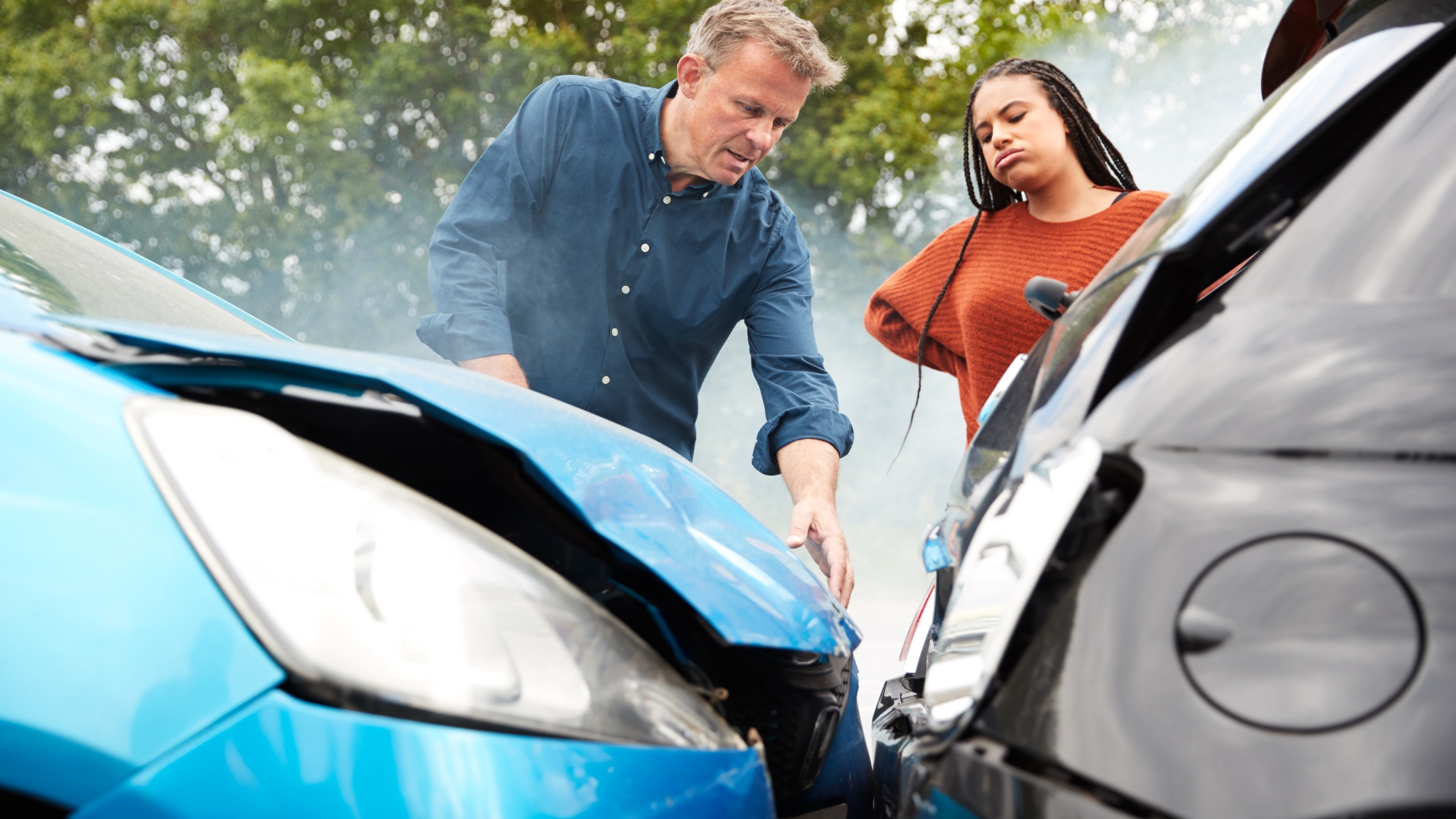
You survived the crash. Now comes round two, and this opponent has lawyers, adjusters, and decades of practice convincing people to settle for less than they deserve. Insurance companies are not the enemy by accident. Minimizing payouts is the entire business model, and they are very good at it.
Robert Hindin & Associates has watched this play out hundreds of times. A driver calls their insurer feeling cooperative and honest, and somewhere in that friendly conversation, they hand over the exact words an adjuster needs to shrink their claim. Knowing how this game works before you pick up the phone changes everything.
When and How to Notify Your Insurance Company After a Crash
Most California insurance policies require you to report an accident promptly, often within 24 to 72 hours, so do not wait around. Call your own insurer first, stick to basic facts, and avoid speculating about fault, injuries, or vehicle damage until you actually know the full picture.
Before you dial, have your information ready so the call goes fast and stays clean.
- Your policy number and the date, time, and location of the crash
- The other driver’s name, insurance company, and policy number
- The police report number, if one was filed
- A basic description of the damage, without estimating dollar amounts
- Contact information for any witnesses you spoke with
A driver in Fresno who calls in rattled and starts guessing at fault, speed, or injury severity can unknowingly hand the adjuster language that gets used against them weeks later. Stick to what you know happened, not what you assume.
What Not to Say to an Insurance Adjuster After a California Accident
Adjusters are trained professionals, and their job is to get you talking. Every recorded call is a potential transcript, and every casual comment is a potential exhibit. Decline recorded statements from the other driver’s insurance company until you understand your rights, and never guess at injuries you have not had evaluated yet.
Common Adjuster Tactics Designed to Get You Talking
Adjusters often open with friendly small talk before easing into questions about how you are feeling, what happened, or whether you think you were partly at fault. None of it is accidental. A relaxed conversation produces relaxed answers, and relaxed answers are exactly what gets quoted back to you during a settlement negotiation.
Why Insurance Adjusters Ask How You Are Feeling So Soon
That question almost always comes early, sometimes within the first thirty seconds of the call. Say “I’m okay” or “not too bad,” and that exact phrase can end up in the claim file as proof you were not seriously hurt, even if you are diagnosed with a herniated disc three days later. Keep your answer simple. Tell them you are still being evaluated by a doctor and move on.
Why You Should Think Twice Before Accepting a Quick Settlement Offer
A fast settlement offer feels like relief. It is also a warning sign. Insurance companies move quickly precisely because medical bills, lost wages, and long-term treatment costs tend to climb the longer a case stays open, and they would rather close your file before you understand the full value of your injury.
A back injury from a Sacramento rear-end collision might look like a few thousand dollars in urgent care bills during week one, then balloon into surgery and months of physical therapy by month three. Anyone who accepts a quick check early in that timeline forfeits the right to ask for more later, no matter how much worse things get.
How Insurance Companies Use Recorded Statements Against You
Recorded statements are not neutral fact-finding. They are evidence, collected specifically to be replayed later if your claim grows larger than the adjuster expected. A single offhand remark, taken out of the context of a stressful, disorienting day, can be used to argue you contributed to the crash or that your injuries are less serious than your medical records show.
Do You Need a Car Accident Lawyer After a Crash in California
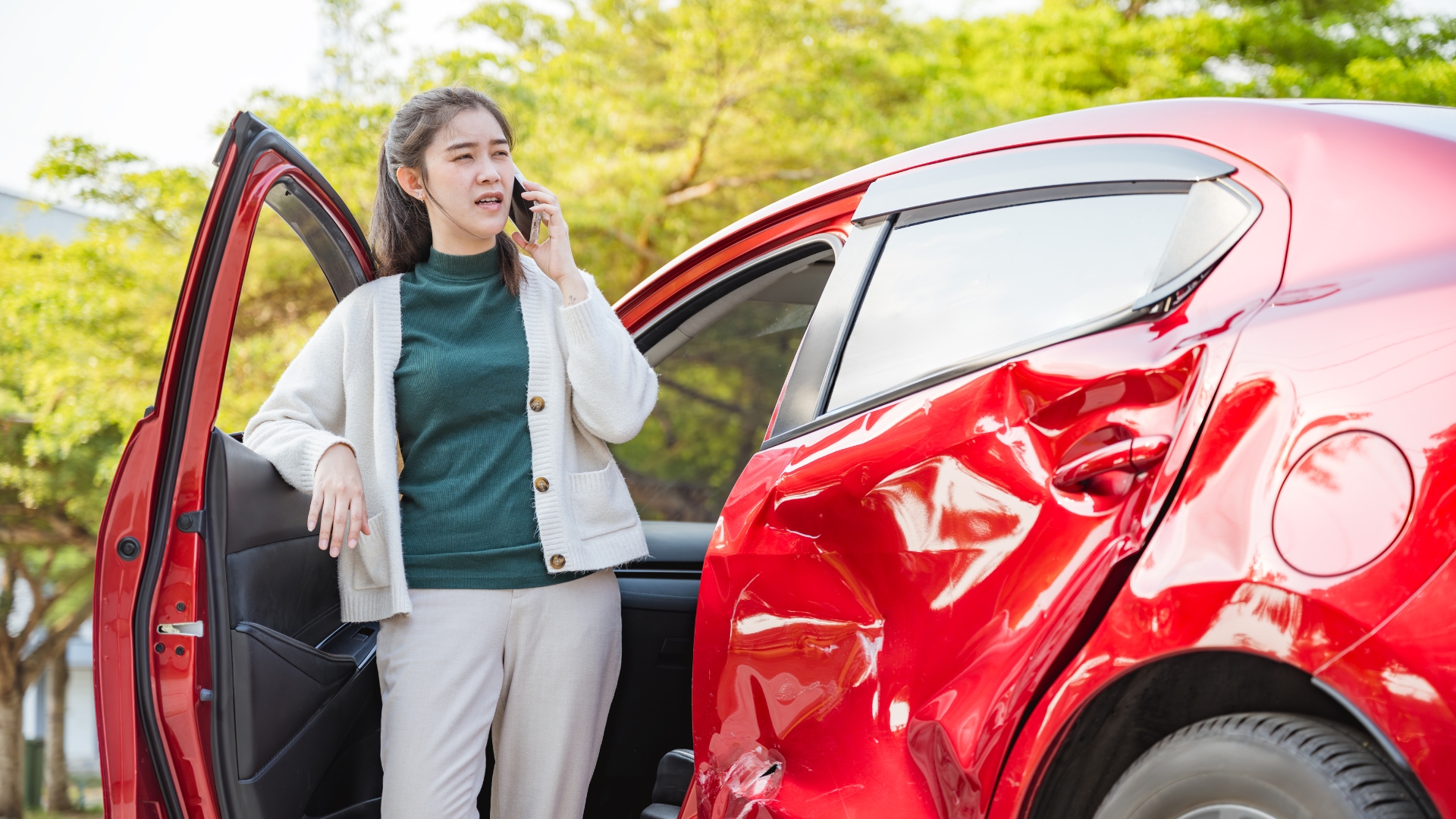
This is the question everyone eventually asks, usually somewhere between the second insurance phone call and the moment a doctor mentions physical therapy that could last months. Do you actually need a lawyer, or can you handle this yourself? The honest answer depends on what happened to you, and getting it wrong in either direction can cost you.
Robert Hindin & Associates has built decades of practice answering exactly this question for California drivers. Some cases genuinely do not need an attorney. Most that involve real injury, disputed fault, or a stubborn insurance company absolutely do, and the difference between those two categories is rarely as obvious as people assume.
When Should You Call a California Car Accident Attorney
Call sooner than you think you need to. There is no waiting period and no rule requiring you to exhaust every conversation with the insurance company first. In fact, the earlier an attorney gets involved, the more evidence and leverage they have to work with before statements get locked in and offers get made.
A few signals make the decision easier. Call a lawyer if you were injured at all, if the other driver disputes fault, if multiple vehicles or commercial drivers were involved, or if the insurance company starts pushing for a fast settlement. A driver in San Diego who waits six weeks to call, after already giving a recorded statement and accepting a lowball check, has far fewer options than someone who calls during the first week.
Should You Hire a Lawyer if the Accident Was Your Fault
Yes, and this surprises almost everyone. Even when you believe you caused the crash, a California personal injury attorney can review the full picture, including comparative fault rules that may reduce your responsibility once all the facts come out. California allows for shared fault between drivers, which means the other party may carry more blame than it first appeared.
An attorney also protects you from being blamed for more than your actual share. Insurance companies sometimes push fault onto the driver least likely to fight back, and a lawyer makes sure that driver is not you.
How Much Does a Car Accident Lawyer Cost in California
Here is the part that stops people from calling, and it should not. Most California car accident attorneys, including Robert Hindin & Associates, work on contingency, which means you pay nothing upfront and nothing out of pocket while your case moves forward.
How Contingency Fees Work for a California Personal Injury Claim
A contingency fee means the attorney only gets paid if you win, typically collecting an agreed percentage of the settlement or verdict once your case resolves. No recovery means no fee, full stop. This structure exists specifically so injured drivers are not forced to choose between affording a lawyer and affording groceries while their case is pending.
What Percentage Do California Personal Injury Lawyers Typically Charge
Contingency fee percentages vary by firm and by case complexity, often falling in a range that the attorney explains clearly before you ever sign anything. A trustworthy firm walks you through the exact terms upfront, with no surprise deductions buried in fine print once your case settles.
What Does a California Personal Injury Law Firm Do for Your Claim
A good law firm does the work you do not have time, energy, or legal training to do yourself, all while you focus on healing. That means investigating the crash, gathering evidence, calculating the true value of your damages, and standing between you and an insurance company that negotiates for a living.
How an Attorney Negotiates With Insurance Companies on Your Behalf
Once an attorney steps in, the insurance company is no longer talking to someone they can pressure into a quick, low number. They are negotiating with a professional who knows the tactics, recognizes a lowball offer instantly, and has the leverage to push back, including the option to file suit if the company refuses to negotiate fairly.
How a Lawyer Helps Prove Fault After a California Car Crash
Proving fault often takes more than a police report. An attorney can pull traffic camera footage, request cell phone records in distracted driving cases, bring in accident reconstruction experts for serious collisions, and track down witnesses who never got contacted at the scene. A disputed rear-end crash in Long Beach, where both drivers blame each other, often comes down to exactly this kind of evidence, the kind most people do not know how to gather on their own.
What to Do After a Car Accident Based on Your Situation in California
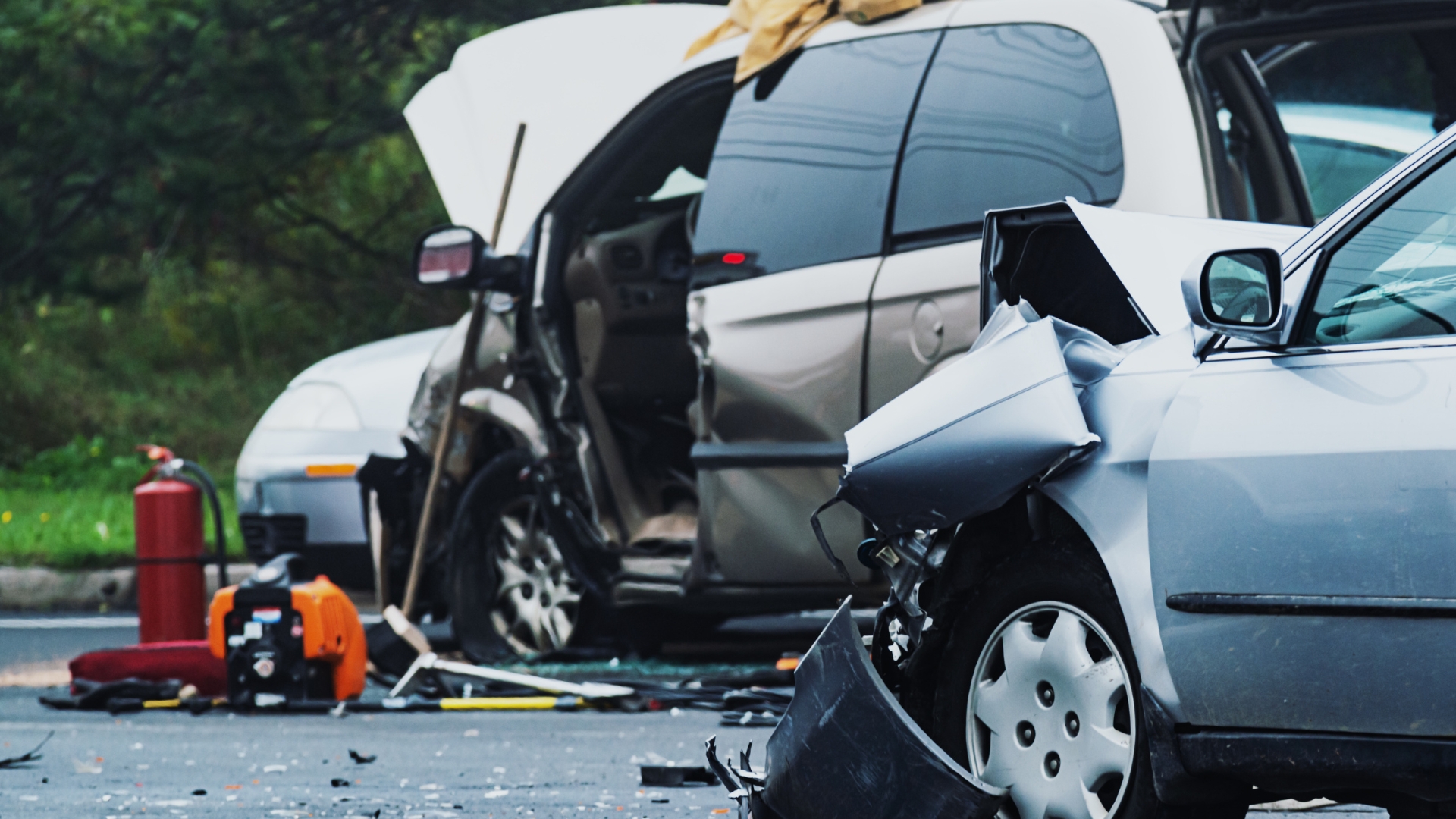
No two crashes play out the same way, and the right move after a fender bender in a parking lot looks nothing like the right move after a hit-and-run on the freeway. The steps already covered in this guide apply broadly, but a few specific situations come with their own twists worth knowing before you find yourself living through one.
Robert Hindin & Associates has handled the full range, from minor parking lot taps to chaotic multi-vehicle wrecks where fault was anything but clear. Here is what changes depending on the situation you actually landed in.
What to Do After a Car Accident That Was Not Your Fault
Feeling confident the other driver caused the crash does not mean you can relax and skip the work. Insurance companies still dispute fault constantly, even when the facts seem obvious, so document the scene exactly as outlined earlier and resist the urge to assume the other driver’s insurer will simply agree with your version of events.
A driver in Anaheim who gets rear-ended at a red light might think the case settles itself. It rarely does without a complete record, because the other driver’s story can shift the moment their own insurance company starts asking questions.
What to Do After a Car Accident That Was Your Fault in California
Believing you caused the crash does not mean the conversation ends there. California follows a comparative fault system, which means responsibility for an accident is often shared between drivers once every detail comes out, including factors you may not have considered in the moment, like the other driver’s speed, distraction, or failure to signal.
Get medical attention regardless of who you think was at fault, since an injury claim and a fault determination are two separate conversations. Continue documenting the scene, exchange information normally, and let the full investigation, not your gut reaction thirty seconds after impact, determine how responsibility actually gets divided.
What to Do After a Hit and Run Accident in California
A hit and run adds urgency to everything. Call 911 immediately and report as many details as you can remember, including the vehicle’s color, make, direction of travel, and any partial license plate information. Even a fragment, like the first three characters of a plate or a distinctive bumper sticker, can help police track down the driver who fled.
What to Do if You Cannot Identify the Other Driver
Many hit-and-run cases never identify the responsible driver, and that does not mean you are out of options. Uninsured motorist coverage, a standard part of most California auto policies, exists specifically for this scenario, covering medical expenses and damages when the at-fault driver cannot be found or carries no insurance. A driver in Bakersfield struck by a vehicle that sped off can still pursue compensation through their own policy, provided the accident gets reported and documented properly from the start.
What to Do After a Minor Car Accident With No Visible Injuries
A minor fender bender with no obvious injuries still deserves the same level of attention as a serious crash, just compressed into a smaller scale. Skipping steps because the damage looks small is exactly how minor accidents turn into bigger problems weeks later.
Even when nothing seems wrong, a few habits protect you regardless of how the crash feels in the moment.
- Exchange information with the other driver, even for low-speed impacts
- Take photos of both vehicles before anyone leaves the scene
- Watch for delayed symptoms like stiffness, headaches, or soreness over the next several days
- Report the accident to your insurer if damage may exceed $1,000, since California’s DMV reporting threshold still applies
A driver in Riverside who walks away from a minor parking lot collision feeling fine might wake up the next morning with neck pain that was not there before. Treating every accident with the same baseline caution is what keeps a minor incident from quietly becoming a larger one.
Frequently Asked Questions About Car Accidents in California
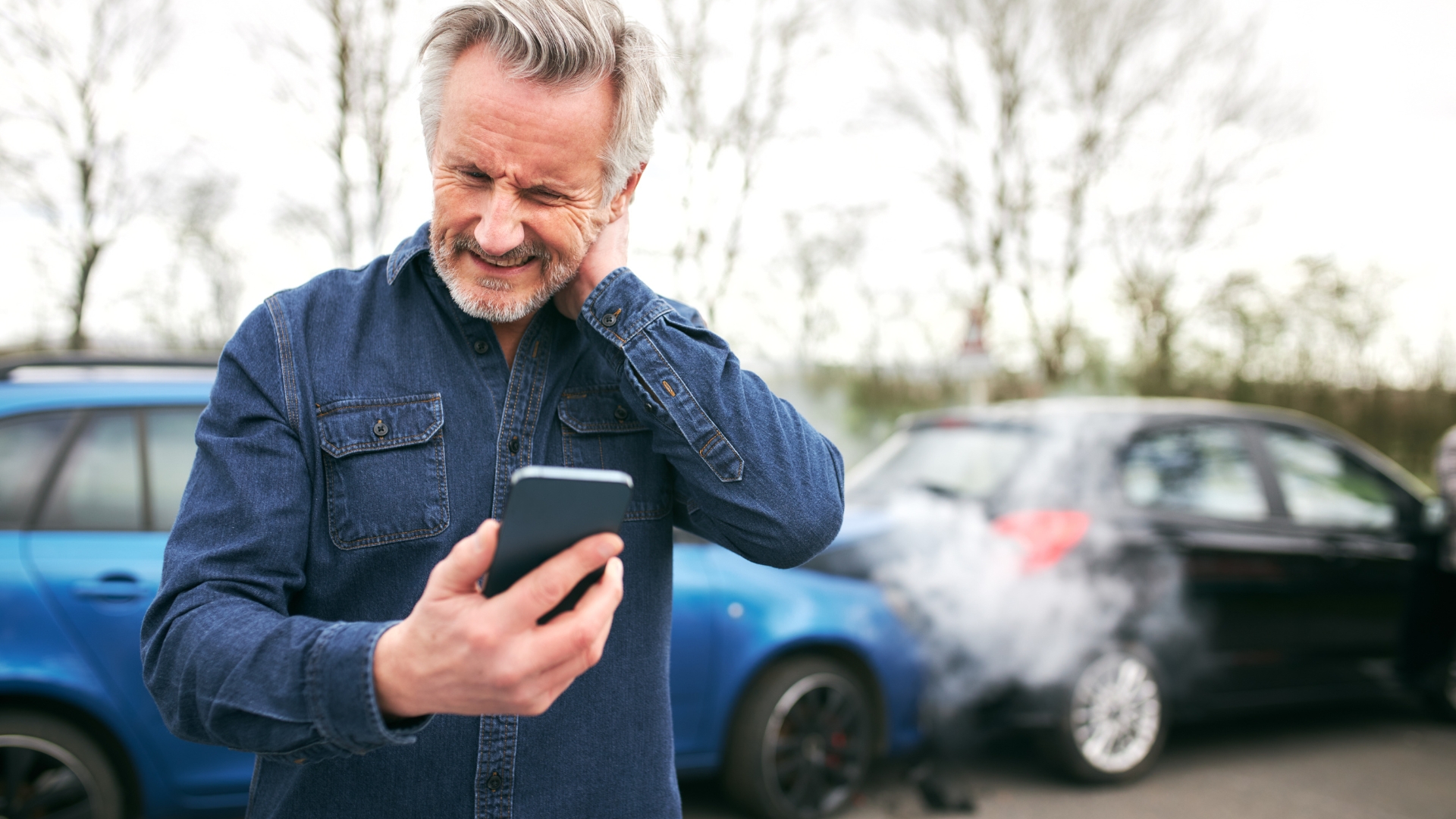
Some questions come up in nearly every conversation Robert Hindin & Associates has with a new client, often word for word. These are the ones people search at 2 a.m. with their phone propped against a pillow, still replaying the crash. Here are straight answers.
How Long Do You Have to File a Car Accident Claim in California?
You generally have two years from the date of the accident to file a personal injury lawsuit in California. Miss that window, and you typically lose the right to sue for your injuries, regardless of how strong your case might have been.
Why the Deadline Is Much Shorter for Government Vehicles
That two-year clock does not apply if a government vehicle or government employee was involved, including city buses, police cars, or municipal trucks. California’s Government Claims Act requires you to file a formal claim within six months of the accident, a deadline that catches people off guard constantly because it runs so much faster than the standard timeline. A driver hit by a city sanitation truck in San Jose who waits even four months to call an attorney is already cutting it close.
What Happens if You Do Not Report a Car Accident in California?
Skipping a required report carries real consequences beyond a missed formality. Failing to file the DMV SR-1 report within 10 days, when an injury, death, or significant property damage occurred, can result in suspension of your driving privileges, even if you were not at fault for the crash itself.
Failing to report can also weaken your insurance claim. Adjusters often view an unreported accident with suspicion, questioning why a driver who believed they were genuinely injured waited to create any official record at all.
Can You Handle a Car Accident Claim Without a Lawyer?
Technically, yes. California law does not require you to hire an attorney before filing a claim or pursuing compensation after a crash. Whether that is actually a good idea depends entirely on what happened to you.
When Self-Representation Might Make Sense
A minor fender bender with no injuries, clear fault, and a cooperative insurance company is sometimes simple enough to handle on your own. Once injuries, disputed fault, or a resistant insurer enter the picture, the calculation changes fast. Insurance companies employ teams of adjusters and attorneys specifically trained to minimize payouts, and going up against that without legal representation often means leaving real compensation on the table, frequently without ever realizing it happened.
Call Robert Hindin & Associates After a Car Accident in California

You now know what to do after a car accident in California, from the first call at the scene to the moment an insurance adjuster tries to get you talking. Knowing the steps is real progress. Having someone in your corner who handles this every single day is what actually changes the outcome.
Robert Hindin & Associates has represented injured drivers across California since 1975, built on founding attorney Robert Hindin’s decades of experience and carried forward by a litigation team that focuses entirely on personal injury claims. The firm represents clients statewide, not just in Los Angeles, handling everything from straightforward rear-end collisions to disputed multi-vehicle wrecks where the insurance company refuses to budge.
A free consultation costs you nothing, and the firm works on contingency, which means there is no fee unless Robert Hindin & Associates wins your case. You do not have to figure out medical bills, lost wages, or a stubborn adjuster alone while you are still trying to heal.
If you were just in a car accident in California, do not wait for the insurance company to make the next move. Contact Robert Hindin & Associates through our contact page or call (310) 473-0337 today for your free consultation.