
Motorcycle Accident Lawyers in Bakersfield
Riders are frequently blamed even before the evidence is reviewed. After a motorcycle crash in Bakersfield, an insurer may focus on speed, visibility, protection use, or lane position instead of starting with the driver’s conduct. That creates a real problem when a rider is dealing with road rash, fractures, head trauma, back pain, and time away from work. Motorcycle accident lawyers in Bakersfield look at the collision from the rider’s side, where an unsafe turn, a distracted driver, or a careless lane change can leave someone with injuries that change daily life immediately and possibly permanently.
Robert Hindin & Associates builds motorcycle accident claims with attention to the details that usually get minimized first. Our firm reviews how the driver approached the rider, what physical evidence remains, how medical treatment developed, and how the injuries affected income and independence. A motorcycle claim should not be reduced to assumptions about risk-taking or quick insurance blame-shifting conclusions. Call Robert Hindin & Associates at (310) 473-0337 to get a free consultation from our motorcycle accident lawyers in Bakersfield today.
Why Early Evidence Matters After a Bakersfield Motorcycle Accident
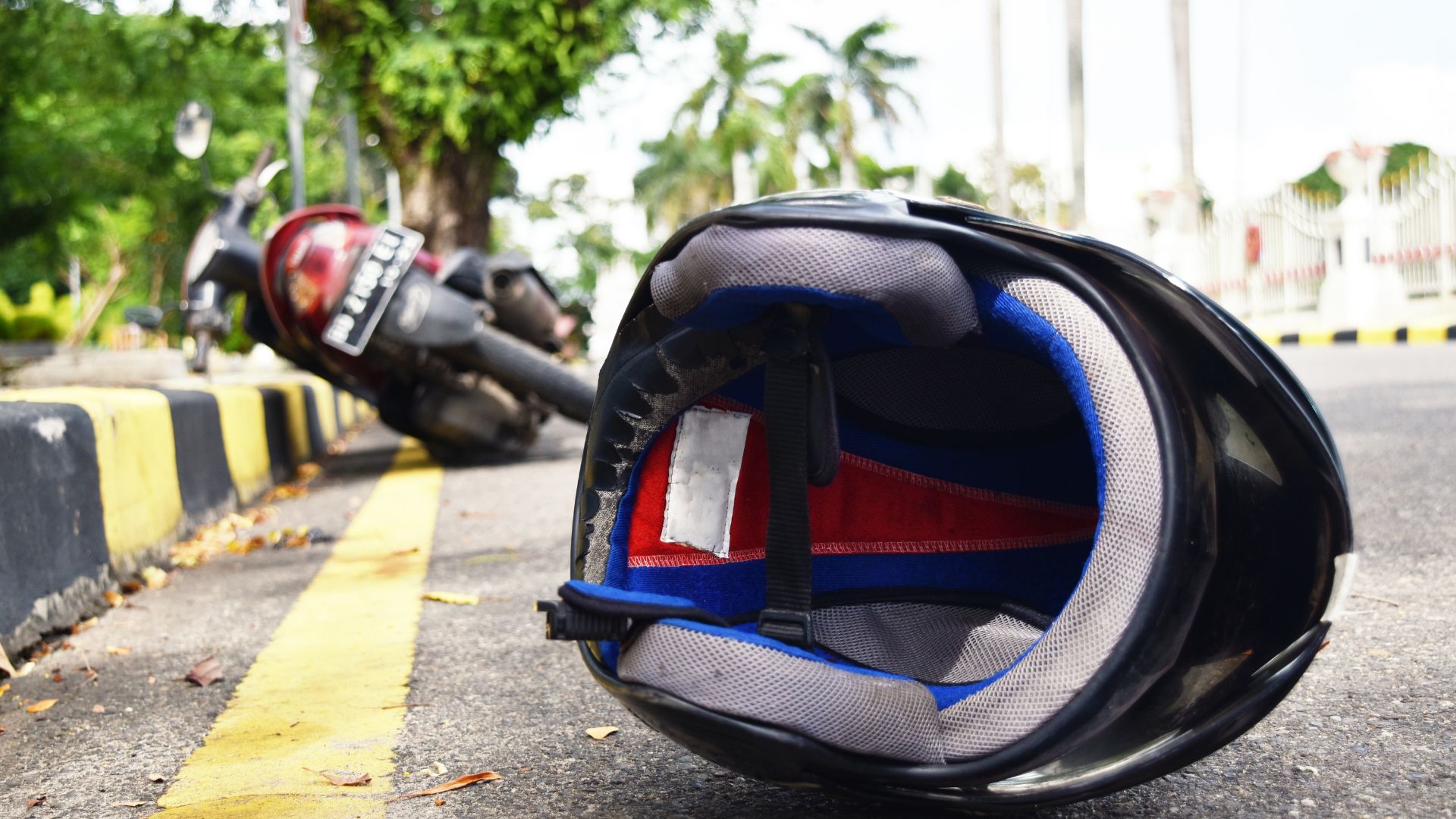
Motorcycle evidence deserves fast attention because the scene can change before anyone understands how important the details are. A damaged helmet, torn riding jacket, broken turn signal, scrape pattern, or debris field might explain the force and direction of impact better than a short insurance summary. The motorcycle itself can also show whether the rider was struck from behind, clipped during a lane change, hit during a turn, or forced down while trying to avoid a vehicle. Robert Hindin & Associates reviews those details early so the claim does not depend only on the other driver’s description. Evidence collected soon after the crash helps show what happened before assumptions about the rider take hold.
Motorcycle crashes create proof issues that differ from enclosed vehicle collisions. A rider has less physical protection, which means the injury pattern, road contact, and damaged gear often matter as much as vehicle damage. Insurance companies sometimes focus on the rider’s speed, lane position, or visibility while giving less attention to whether the driver checked traffic carefully. Early documentation gives the claim a stronger way to answer those arguments with facts. The evidence should show how the driver’s conduct exposed the rider to harm.
Motorcycle Damage Reveals How the Crash Happened
Motorcycle damage often tells a detailed story about how the crash unfolded. Bent handlebars, crushed foot pegs, broken mirrors, scraped fairings, and damaged wheels can show where the impact began and how the bike moved afterward. Those details matter when the other driver denies making contact, claims the rider appeared suddenly, or argues that the motorcycle was already unstable. Repair records and photographs should be saved before parts are replaced or the bike is moved through storage, repair, or disposal. A clear damage record gives the claim more than competing verbal accounts.
Bike Position After the Crash
The motorcycle’s resting position can show how far the rider and bike traveled after impact. Distance, angle, and nearby debris may help explain whether the rider was struck directly or forced into an evasive maneuver. These details support a more accurate review of collision movement.
Preserving the Motorcycle Before Repairs
The motorcycle should be photographed from multiple angles before repair work begins. Close images should capture broken parts, scrape direction, tire condition, and visible impact points. Preserving that condition helps prevent later disputes about crash mechanics.
Damaged Riding Gear Supports the Injury Story
Protective gear can show the severity and direction of the rider’s contact with the road or vehicle. Helmet damage, torn gloves, shredded sleeves, damaged boots, and scuffed riding pants can explain why certain injuries occurred. These items also help answer unfair arguments that treat the rider’s injuries as exaggerated because the motorcycle damage appears limited. Gear should be saved in its post-crash condition rather than cleaned, discarded, or repaired. Physical damage to riding equipment often gives the medical records a stronger context.
Helmet and Protective Clothing Damage
A cracked helmet or torn jacket can show where the rider absorbed impact. Clothing damage may also explain road rash, shoulder trauma, knee injuries, or other contact injuries. These details connect the rider’s body position to the crash force.
Gear Evidence Against Rider Blame
Insurers sometimes use assumptions about motorcycle risk to reduce responsibility. Damaged gear provides objective proof that the rider experienced a serious impact. That proof helps keep the discussion centered on evidence instead of stereotypes.
Driver Awareness Issues Influence Liability Disputes
Many motorcycle crashes involve a driver who says they never saw the rider. That statement does not end the liability analysis because drivers still have to check traffic, mirrors, blind spots, and turning paths before moving. A driver’s failure to notice a motorcycle can point toward distraction, unsafe turning, poor scanning, or careless lane movement. Witness statements, photos, vehicle position, and damage patterns can help show whether the motorcycle was there to be seen. A strong claim examines what the driver should have noticed before the crash.
Turns, Merges, and Lane Changes
Driver awareness becomes especially important during turns, merges, and lane changes. A car that crosses the rider’s path or moves into the rider’s lane can create a crash before the rider has room to respond. Those details help show why visibility arguments deserve a closer review.
When Drivers Say They Looked
A driver may claim they looked without explaining what they checked or missed. The claim should compare that statement against the physical evidence, vehicle positions, and available witness accounts. Careful review can show why a driver’s statement does not match the crash facts.
Road Contact Details Show Injury Severity
Road contact can explain why motorcycle injuries become severe even when the first insurance review focuses on vehicle damage. A rider who hits pavement may suffer abrasions, fractures, shoulder injuries, back trauma, head injuries, or nerve symptoms from the landing and slide. Photographs of torn gear, pavement marks, and injury progression can help show how the crash affected the rider’s body. Medical records should match the physical story created by the crash scene and damaged equipment. This evidence gives the claim a stronger foundation when the insurer minimizes the injury.
Slide Distance and Body Impact
Slide distance can show how much force is applied after the initial impact. Contact points on the body may also match damage to gear, pavement marks, or motorcycle position. These details help explain injuries that are not obvious from vehicle damage alone.
Injury Photos and Treatment Records
Injury photographs can document bruising, swelling, stitches, road rash, and visible changes during recovery. Treatment records should explain pain, movement limits, wound care, imaging, and follow-up needs. Together, these records show the full physical effect of the crash.
How Motorcycle Accident Lawyers in Bakersfield Build Claims From Start to Finish
A motorcycle injury claim needs steady development from the first legal review through settlement negotiations or litigation planning. The work begins by identifying the rider’s account, the driver’s conduct, the insurance policies involved, and the medical issues already documented. Motorcycle accident lawyers in Bakersfield build the claim by giving each stage a clear purpose rather than letting paperwork, medical records, and insurance letters pile up without direction. The process should show why the crash happened, how the injuries changed the rider’s life, and what financial pressure followed the collision. A well-built claim gives the rider stronger footing before an insurer tries to reduce the case to a quick offer.
Each stage of the claim should answer a different question. The opening review identifies what happened and what problems need immediate attention. The medical review follows how the rider’s recovery develops beyond the first appointment. The damages review explains how the collision affected income, transportation, sleep, movement, and daily responsibilities. Strong case development turns separate records into a claim that is easier to understand and harder to dismiss.
Early Claim Choices Can Change Case Direction
The first week after a motorcycle crash can affect how the claim develops for months. A lawyer reviews whether the rider has received medical care, reported the crash, preserved motorcycle damage, saved insurance letters, and avoided statements that create confusion. Early review also identifies fault disputes that may appear later, such as claims about speed, visibility, lane position, or rider reaction time. Those issues need direct attention before the insurance company turns assumptions into its preferred version of the crash. A focused beginning keeps the claim from drifting into avoidable problems.
Insurance Calls Before Records Are Ready
Insurance adjusters may ask for details before the rider has reviewed medical records, photographs, or the police report. Early answers about speed, pain, traffic movement, or visibility can create problems when they are incomplete. Legal review helps the rider avoid guessing about facts that still need confirmation.
Statements That Create Unfair Disputes
A rider may describe injuries as manageable before pain, swelling, headaches, or mobility problems become more serious. The insurer may later use that early description to question treatment or reduce the claim. Careful communication protects the rider from being boxed into incomplete answers.
Medical Timelines Should Reflect the Rider’s Recovery
A motorcycle crash claim should follow the rider’s medical progress instead of relying only on the first emergency visit. Injuries involving fractures, road rash, shoulder trauma, spinal pain, head symptoms, or nerve complaints often require follow-up care before the full impact becomes clear. Treatment records should explain symptoms, restrictions, imaging, therapy, wound care, referrals, and future concerns in a way that fits the recovery timeline. Motorcycle accident lawyers in Bakersfield review medical development because insurers often challenge treatment length or argue that symptoms improved sooner than they did. A clear recovery timeline helps the claim reflect the actual injury experience.
Treatment Gaps Need Clear Explanations
A gap in treatment does not always mean the rider recovered. Transportation problems, work obligations, appointment availability, pain flare-ups, or waiting for referrals may explain why care did not happen immediately. Those explanations should appear in the claim record before the insurer uses silence against the rider.
Follow-Up Care Shows Ongoing Injury
Follow-up appointments show how symptoms changed after the initial shock faded. Therapy notes, imaging results, specialist referrals, and work restrictions can explain why recovery required more than one visit. Consistent care gives the injury claim a stronger medical foundation.
Financial Losses Need Proof Besides Invoices
A motorcycle crash can change a rider’s finances long before the final medical bill arrives. Missed shifts, reduced hours, unpaid leave, repair costs, transportation expenses, and out-of-pocket treatment charges can create pressure during recovery. The damages review should connect these losses to medical restrictions, crash-related transportation problems, and the rider’s actual work duties. A claim becomes stronger when income records and medical notes explain the same limitations. Financial harm deserves careful documentation before the insurer treats it as a short-term inconvenience.
Work Restrictions Affect Earning Power
Work restrictions matter when pain, limited movement, wound care, medication, or therapy appointments interfere with job duties. Employer notes, schedules, pay records, and disability paperwork can show why the rider could not return at the same pace. These records connect medical limitations to real financial loss.
Transportation Costs After Motorcycle Damage
A damaged motorcycle can create transportation problems that affect treatment, work, and daily responsibilities. Rental costs, rideshare expenses, repair delays, and replacement transportation should be documented when they relate to the crash. Those records show how the collision disrupted more than physical health.
Settlement Strategy Must Answer Rider-Blame Arguments
Settlement negotiations should begin only after the claim record answers the arguments the insurer is likely to raise. In motorcycle cases, those arguments may focus on speed, lane position, visibility, helmet use, treatment length, or the severity of motorcycle damage. Motorcycle accident lawyers in Bakersfield prepare negotiations by reviewing the strongest proof and the weak points an adjuster may target. A demand should explain liability, medical recovery, financial losses, and daily limitations before the insurer selects only the details that favor a lower offer. Preparation gives the rider a stronger position when settlement pressure increases.
Demand Letters Should Address Known Defenses
A demand letter should not simply attach records and request payment. It should explain why the driver’s conduct caused the crash, why the medical treatment fits the injuries, and why the damages reflect real disruption. Addressing known defenses early leaves fewer openings for unfair reduction.
Lawsuit Readiness Changes Negotiation Pressure
Some insurers do not respond fairly until the claim is prepared for litigation. Lawsuit readiness means key records, witness issues, medical support, and liability disputes have already been reviewed. A prepared case gives negotiations more weight when the insurer undervalues the rider’s losses.
What Compensation Can Robert Hindin & Associates Pursue After a Bakersfield Motorcycle Accident

Motorcycle crash compensation has to reflect the exposed nature of the collision. A rider does not have a vehicle frame, airbags, or a seatbelt system absorbing the force before the body hits the pavement, another vehicle, or nearby objects. Robert Hindin & Associates reviews compensation by looking at trauma care, physical recovery, permanent injury effects, and the personal losses that follow a serious rider injury. Motorcycle accident lawyers in Bakersfield also need to address unfair insurer assumptions that treat rider injuries as expected rather than legally recoverable harm. A strong damages claim explains why the collision changed the rider’s body, income, mobility, and future plans.
The financial impact of a motorcycle crash often grows in stages. Emergency treatment may lead to wound care, surgery, physical therapy, scar treatment, neurological follow-up, or long-term pain management. A rider might also lose access to reliable transportation while trying to attend appointments and keep work responsibilities stable. Robert Hindin & Associates reviews those losses with attention to how each category affects recovery, not just how it appears on a bill. Compensation should reflect the real cost of rebuilding stability after the crash.
Emergency Trauma Care and Rehabilitation Costs
Motorcycle accidents often require urgent treatment because riders absorb impact directly. Emergency room records, ambulance reports, imaging results, surgical notes, and specialist referrals help show the immediate medical seriousness of the crash. Rehabilitation records then explain what recovery is required after the first hospital visit ended. Robert Hindin & Associates reviews these records to connect the force of the collision with the treatment path that followed. Medical compensation should account for the care needed to stabilize the rider and support meaningful recovery.
Hospital Records and Specialist Referrals
Hospital records often provide the first detailed picture of the rider’s injuries. Specialist referrals show when the injury required orthopedic care, neurological review, wound treatment, or additional diagnostic testing. These records help explain why recovery required more than basic follow-up care.
Rehabilitation After Serious Rider Trauma
Rehabilitation may involve physical therapy, wound care, strength rebuilding, balance work, and pain management. These services show how the injuries affected movement after the initial emergency response. Ongoing rehabilitation records give the damages claim stronger medical depth.
Permanent Scarring and Reduced Physical Function
Motorcycle injuries can leave lasting effects that change how a rider moves, works, sleeps, and presents themselves in daily life. Scarring, nerve pain, joint stiffness, weakness, and reduced range of motion deserve careful review when they continue after initial treatment. These losses become especially important when visible injuries affect confidence or physical restrictions affect work duties. Robert Hindin & Associates examines whether the medical record explains permanence, future treatment, and limitations tied to the crash. Compensation should reflect lasting harm, not only the bills generated during early recovery.
Scarring That Affects Daily Comfort
Scarring can create tightness, sensitivity, discoloration, discomfort, and visible changes that remain after wounds close. Some riders need additional treatment to address scar tissue or pain around the injured area. These effects matter when they continue shaping comfort and confidence.
Physical Limits After the Body Heals
A healed bone or closed wound does not always mean full recovery. Riders may continue dealing with stiffness, weakness, pain, or reduced endurance after treatment slows down. Permanent restrictions deserve attention when they affect work and ordinary movement.
Transportation Losses and Lifestyle Disruption
A motorcycle crash can take away more than transportation. Some riders lose the ability to commute, exercise, handle errands, attend family events, or return to activities that were part of their everyday identity. Insurance companies often undervalue those losses because they are harder to measure than medical invoices. Motorcycle accident lawyers in Bakersfield should present these changes with specific details about routines, responsibilities, and independence. A damages claim becomes stronger when it shows how the crash changed life outside the clinic.
Transportation Problems After Motorcycle Loss
A damaged motorcycle can create immediate transportation problems for riders who depend on it. Replacement transportation, repair delays, towing, storage, and missed appointments should be documented when they connect to the crash. These losses show how property damage affected recovery and daily stability.
Life Changes Beyond Medical Bills
A rider may avoid traffic, stop riding, depend on others for transportation, or struggle with activities that once felt routine. Sleep loss, pain during errands, and reduced independence can change daily life in meaningful ways. These details help compensation reflect the full personal impact.
Schedule a Free Consultation With Robert Hindin & Associates About Your Motorcycle Accident Claim Today
Motorcycle injury claims depend on details such as damaged gear, impact marks, road contact, and driver awareness. Robert Hindin & Associates reviews those details with the medical record so the claim explains the crash from the rider’s point of view, not from the insurer’s version that tries to minimize the claim. When motorcycle accident lawyers in Bakersfield evaluate the full claim, the discussion can move past blame assumptions and focus on proof, recovery, and financial harm.
A serious motorcycle collision can affect your entire life immediately and last for months after the initial collision. The next step should give you a clearer understanding of what records matter, what losses should be documented, and what insurance issues need attention. Call Robert Hindin & Associates at (310) 473-0337 or visit our contact page to discuss your Bakersfield motorcycle accident claim with our attorneys today.