
Car Accident Lawyers in Anaheim
After an Anaheim car crash, the first dispute starts before the first repair estimate is finished. The other driver’s explanation, the traffic report, the photos, the medical timeline, and the insurance company’s early questions can all begin pulling the claim in different directions. Car accident lawyers in Anaheim can examine the collision through liability, evidence, treatment records, and insurance coverage before early explanations begin shaping the claim. Robert Hindin & Associates helps out with those going through the aftermath of a car accident involving rear-end impacts, unsafe turns, distracted driving, intersection collisions, and disputed fault.
The value of a car accident claim depends on more than the damage visible at the scene. Medical notes, photos, witness details, repair records, wage documentation, and insurance communication can all affect how responsibility and compensation are evaluated. A strong legal review should connect the collision to the injuries, expenses, work disruption, and daily limitations that followed. Call Robert Hindin & Associates today at (310) 473-0337 or visit our contact page for help with your car accident claim.
Evidence and Liability Issues After an Anaheim Car Accident
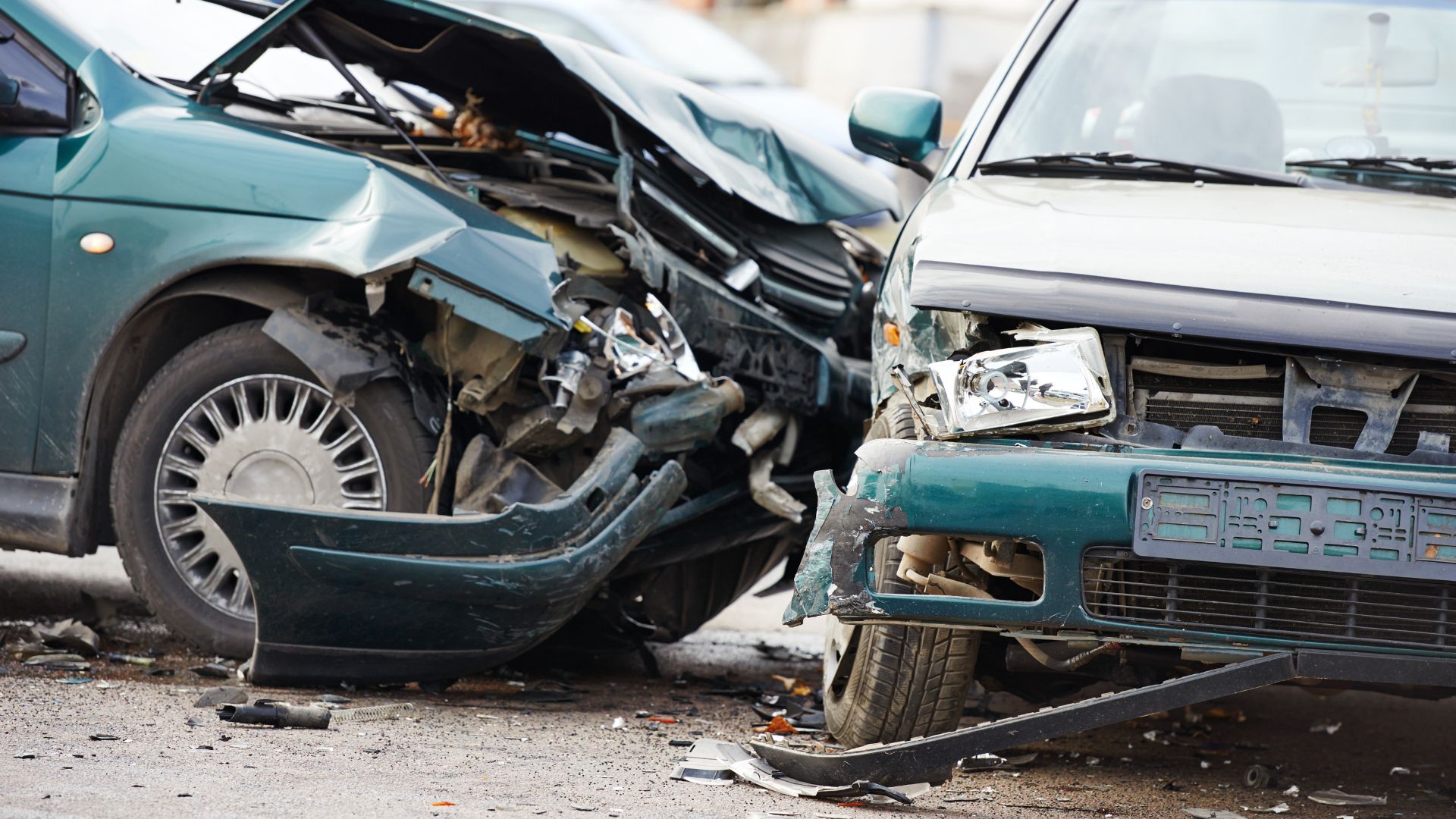
Evidence and liability often develop together after an Anaheim car accident because each record helps explain who created the danger and how the crash affected the injured person. A damaged bumper, a traffic report, a witness statement, a photo of the intersection, or a medical note from the same day can change the way fault is evaluated. The other driver may describe the collision one way, while the physical damage and scene details tell a different story. Robert Hindin & Associates looks at those conflicts before the insurance company treats an early explanation as the full answer. A liability review should begin with proof that shows what happened before impact, not only what someone claimed afterward.
The evidence also needs to match the type of crash being investigated. A rear-end collision raises different questions than a left-turn crash, a lane-change impact, a parking lot collision, or an intersection dispute. Photos, repair estimates, witness names, traffic reports, medical records, and insurance communications each answer a separate part of the liability picture. Robert Hindin & Associates reviews these materials to identify the driver conduct, injury timing, and coverage issues that may affect the case. Clear evidence gives the injured person a stronger position when fault becomes contested.
Crash Scene Details Create the Liability Starting Point
Crash scene details help establish the first version of how the collision occurred. Photos of vehicle positions, traffic controls, debris, skid marks, property damage, lane markings, and roadway conditions can show whether a driver followed too closely, turned unsafely, failed to yield, or entered traffic without enough care. These details are especially important when the other driver changes the explanation after speaking with an insurer. Car accident lawyers in Anaheim compare the scene record with driver statements and vehicle damage to identify inconsistencies. The strongest liability starting point comes from details captured before the scene changes.
Vehicle Positions After the Collision
Vehicle positions can show where each driver ended up after impact. A car stopped in the intersection, angled across a lane, pushed into another vehicle, or resting near a curb may reveal important movement details. Those positions help explain how the crash unfolded.
Traffic Controls and Lane Markings
Traffic controls and lane markings show what each driver was expected to follow before the crash. Stop signs, signals, turn arrows, lane dividers, and crosswalk markings provide context for fault review. These features help determine whether one driver ignored the rules governing that location.
Vehicle Damage Helps Test Each Driver’s Account
Vehicle damage often shows whether the drivers’ accounts match the force and direction of impact. A rear bumper dent, side-panel scrape, crushed front end, broken headlight, or corner impact may reveal how the vehicles contacted each other. Damage patterns matter when one driver denies a lane change, minimizes speed, or claims the other car caused the collision. Robert Hindin & Associates reviews repair records and photographs to understand how the damage fits the reported crash sequence. Physical damage can expose explanations that do not match the collision.
Front, Rear, and Side Impact Patterns
Front, rear, and side impact patterns each tell a different story about movement before contact. A rear impact may suggest following distance issues, while side damage may point toward turning, merging, or lane-change conduct. Repair photos and estimates should be compared with the traffic report.
Repair Records and Damage Photos
Repair records identify the parts damaged and the work required to restore the vehicle. Photos taken before repairs preserve details that estimates may describe too generally. Together, these records help connect visible damage to the disputed crash account.
Witness and Report Details Clarify Disputed Fault
Witness accounts and traffic reports can clarify fault when the drivers describe the crash differently. A witness may remember a red light, an unsafe turn, a sudden lane change, distracted driving, or a vehicle entering traffic too quickly. The traffic report may also identify parties, insurance information, statements, diagrams, and observations from the responding officer. Car accident lawyers in Anaheim review these materials because fault disputes often depend on small timing details. Independent observations can strengthen the case when each driver gives a different version.
Statements From People Nearby
Statements from nearby people can explain details the injured driver missed during the crash. A pedestrian, passenger, store employee, or another driver may have seen the moment before impact. Those accounts should be preserved before memories fade or witnesses become difficult to reach.
Police Report Details and Diagrams
Police report details and diagrams may identify vehicle locations, roadway conditions, statements, and cited factors. These materials do not always answer every liability question, but they provide an important reference point. Report information should be reviewed alongside photos and repair records.
Medical Timing Supports the Injury Connection
Medical timing matters when the insurance company questions whether the crash caused the injuries. Same-day care, urgent care visits, imaging, referrals, prescriptions, therapy records, and follow-up notes can show how symptoms developed after impact. A person may feel worse hours later as adrenaline fades, stiffness increases, or pain spreads into the neck, back, shoulders, knees, or head. Robert Hindin & Associates reviews the treatment timeline with the liability evidence because injury disputes often appear alongside fault disputes. Medical documentation helps connect the crash facts to the physical harm.
First Treatment After the Crash
First treatment records create the medical starting point after the collision. Providers may document pain locations, visible injuries, movement limits, headache symptoms, medication instructions, and work restrictions. Those notes help explain why later care remained connected to the accident.
Follow-Up Records and Symptom Progression
Follow-up records show whether symptoms improved, worsened, or required additional care. Therapy notes, specialist referrals, imaging results, and restrictions add detail to the recovery timeline. These records help answer arguments that later treatment was unrelated.
Building an Injury Claim With Car Accident Lawyers in Anaheim
An Anaheim car accident injury claim needs more than a pile of records sent to an insurance company. The information has to be placed in an order that explains how the crash happened, when symptoms appeared, what treatment followed, and how the injuries affected work, transportation, sleep, and normal responsibilities. A repair estimate might explain vehicle damage, but it does not explain why a person missed work, needed physical therapy, or struggled with pain during ordinary movement. Car accident lawyers in Anaheim organize those details so the injury story does not get reduced to one bill or one photograph. The claim should show the full path from collision to recovery.
The process also requires steady updates as the case develops. Medical recommendations change, employers issue wage documents, repair shops prepare estimates, and insurers ask questions that influence settlement value. Robert Hindin & Associates looks at each new record in relation to the crash rather than treating the case as a single submission. This approach helps identify missing documentation before negotiations begin. A complete injury claim gives the insurer fewer opportunities to undervalue the harm.
Organizing Treatment Records Into a Clear Timeline
Treatment history gives the injury claim its medical structure. Emergency care, urgent care, primary care visits, imaging, prescriptions, physical therapy, injections, specialist appointments, and work restrictions all help explain how the injured person moved through recovery. Car accident lawyers in Anaheim review those records in sequence because insurance companies often look for gaps, unclear complaints, or treatment that seems disconnected from the crash. The treatment path should explain what hurt first, what changed later, and why additional care became necessary. A clear medical timeline keeps the injury from being treated as a short-term inconvenience.
Medical Visits After the First Evaluation
Medical visits after the first evaluation often explain symptoms that were not fully understood at the crash scene. A person may develop neck pain, back stiffness, headaches, shoulder problems, knee pain, or sleep disruption as the body reacts over time. Later notes help show why continued treatment remained connected to the collision.
Therapy and Specialist Recommendations
Therapy and specialist recommendations add detail when pain limits movement, work duties, or daily activities. Physical therapists may document range-of-motion problems, strength loss, and pain with specific movements. Specialist notes explain injuries that require closer review than basic follow-up care.
Proving Missed Income With Work Documentation
Wage records help show how the accident affected income, scheduling, and work capacity. Missed shifts, reduced hours, used sick leave, delayed assignments, changed duties, and doctor restrictions all create financial pressure after a crash. Car accident lawyers in Anaheim review employer letters, pay records, schedules, tax documents, and work notes to connect income loss to the injury. These records matter when the insurer argues that missed work was unnecessary or poorly supported. A wage claim becomes stronger when the financial loss matches the treatment record.
Missed Time and Reduced Hours
Missed time and reduced hours should be documented with dates, pay amounts, job duties, and the reason work was affected. Employer notes and payroll records provide clearer support than a general statement about lost income. These details show how the injury interrupted earning stability.
Job Duties Limited by Pain
Job duties limited by pain help explain why returning to work was not simple. Driving, standing, lifting, sitting, bending, typing, traveling, or handling equipment may become difficult after a crash. Work restrictions should connect those limits to the medical record.
Adding Repair Bills and Out-of-Pocket Costs
Repair and expense records show how the crash created practical costs outside medical treatment. Vehicle repair estimates, rental expenses, towing charges, storage bills, rideshare receipts, prescription costs, medical co-pays, and replacement property expenses all belong in the claim record. Robert Hindin & Associates reviews these losses because small expenses often become meaningful when they arrive at the same time as missed income and pain. Insurance companies may separate these costs from the injury discussion, but they still show the disruption caused by the collision. The claim should include the financial strain created during recovery.
Vehicle Repairs and Transportation Costs
Vehicle repairs and transportation costs often begin before the injured person knows how long treatment will last. Rental cars, rideshare trips, towing, storage, and inspection charges create immediate pressure after the collision. These expenses should be documented before receipts disappear or estimates change.
Out-of-Pocket Medical Expenses
Out-of-pocket medical expenses include co-pays, medication costs, braces, mobility aids, parking, and travel connected to treatment. These costs may seem minor individually, but they become significant across several appointments. Receipts help show the real cost of managing recovery.
Preparing the Claim File Before Settlement Talks
Settlement preparation should begin only after the injury record has enough detail to support value. The insurance company needs to see medical treatment, wage loss, repair expenses, pain limitations, future care concerns, and any remaining disputes in one organized presentation. Car accident lawyers in Anaheim prepare the claim so negotiations do not start from missing records or vague descriptions of harm. Robert Hindin & Associates reviews the file for weaknesses before the insurer turns those gaps into settlement pressure. A stronger presentation gives the injured person a more informed position.
Missing Records Before Negotiation
Missing records before negotiation create problems when the insurer evaluates the claim too narrowly. Treatment notes, wage documents, repair records, and expense receipts should be gathered before serious settlement discussions. Filling those gaps protects the claim from being valued on incomplete information.
Final Review Before Settlement
Final review before settlement should consider treatment status, future care, unpaid bills, income loss, property damage, and continuing limitations. A signed release usually ends the claim, even if later costs appear. Settlement decisions should follow a careful review of the complete record.
What Car Accident Compensation Does Robert Hindin & Associates Pursue in California

Compensation after an Anaheim car accident should reflect the way the collision disrupted the injured person’s health, income, transportation, and household responsibilities. A crash that begins with a damaged vehicle may also lead to emergency care, physical therapy, missed shifts, prescription costs, rental expenses, and pain that interferes with normal movement. Robert Hindin & Associates evaluates those losses by looking at how the injury affected the person’s life beyond the repair estimate. Car accident lawyers in Anaheim should account for both the immediate financial pressure and the longer recovery issues that develop after the first insurance call. The compensation review should show what the crash cost physically, financially, and personally.
Some losses are easy to document because they appear in bills, wage records, and repair estimates. Other losses require a closer explanation, especially when pain affects sleep, caregiving, driving, work duties, or routine movement that used to feel simple. Robert Hindin & Associates looks at those effects before an insurer treats the case as only a short-term medical file. Our firm also considers future care concerns when doctors expect additional treatment, therapy, injections, or activity limits after settlement discussions begin. Anaheim car accident compensation should match the full recovery picture.
Medical Care and Future Treatment Costs
Medical care after a car accident may include emergency treatment, urgent care, imaging, medication, physical therapy, specialist visits, injections, surgery, or continued follow-up appointments. The cost of recovery often changes as doctors learn more about neck pain, back injuries, headaches, shoulder damage, knee trauma, or nerve symptoms. Robert Hindin & Associates reviews the treatment record to identify care already received and care still expected. This matters when an insurer tries to value the case before the medical picture is complete. Future treatment costs belong in the compensation discussion when the crash created ongoing medical needs.
Emergency Treatment and Follow-Up Care
Emergency treatment establishes the first medical record after the collision. Follow-up care may show symptoms that worsened, spread, or required additional testing after the first visit. These records help explain why the injury required continued medical attention.
Therapy, Imaging, and Specialist Referrals
Therapy records may document pain with movement, limited strength, reduced flexibility, and difficulty returning to normal activity. Imaging and specialist referrals can identify injuries that basic evaluations did not fully explain. These details help support treatment costs beyond the first appointment.
Connecting Missed Work to Medical Restrictions
Lost income after an Anaheim car accident may include missed shifts, reduced hours, used sick leave, delayed projects, or job duties that become harder during recovery. A person who drives, lifts, stands, sits for long periods, works with equipment, or handles physically demanding tasks may face limits that affect earning ability. Car accident lawyers in Anaheim review wage records, employer letters, doctor restrictions, and job responsibilities to connect work losses to the crash. Robert Hindin & Associates also looks at how appointments, medication, pain, and fatigue affected the person’s ability to work consistently. Income loss should reflect the practical effect of the injury on the person’s job.
Missed Pay After the Collision
Missed pay should be supported by schedules, pay stubs, employer notes, and records showing the dates work was lost. These documents help show how the injury interrupted income instead of relying on a general estimate. Wage documentation gives the compensation claim stronger financial detail.
Job Duties Reduced by Injury
Job duties may change when pain limits lifting, driving, standing, bending, typing, walking, or concentration. Doctor restrictions and employer records help explain why the injured person could not return to normal work immediately. These details matter when the insurer questions lost income.
Vehicle Damage and Transportation Costs
Vehicle damage creates financial pressure before the injury claim is fully understood. Repair estimates, total loss valuations, towing bills, storage charges, rental car expenses, rideshare receipts, and replacement property costs may all become part of the compensation review. Robert Hindin & Associates considers these expenses because losing transportation can affect work, appointments, school responsibilities, and daily errands. The vehicle damage discussion should not be separated from the disruption caused by the crash. Transportation losses deserve careful attention when they affect ordinary life during recovery.
Repair Estimates and Total Loss Issues
Repair estimates should identify damaged parts, labor, inspection needs, and any safety concerns connected to the vehicle. A total loss valuation should be reviewed carefully when the insurer assigns a number that does not match the vehicle’s condition or practical replacement cost. These records help document the property loss created by the collision.
Rental Cars, Towing, and Storage
Rental cars, towing, and storage costs can add up quickly after an Anaheim crash. These expenses may continue while repairs, inspections, or insurance decisions remain unresolved. Receipts and invoices should be preserved so transportation costs are included in the claim.
Valuing Pain That Changes Daily Life
Pain and daily disruption can become some of the most difficult losses to explain after a car accident. Neck pain, back stiffness, headaches, shoulder injuries, knee pain, sleep disruption, and anxiety while driving may affect routines long after the vehicle leaves the repair shop. Car accident lawyers in Anaheim document these effects through medical records, personal descriptions, activity limits, and treatment recommendations. Robert Hindin & Associates evaluates how the injury changed movement, caregiving, sleep, transportation, and ordinary responsibilities. Compensation should reflect the daily burden created by the crash.
Pain During Ordinary Movement
Pain during ordinary movement can affect driving, sleeping, bathing, dressing, lifting groceries, climbing stairs, or sitting through work. These limits often explain the real impact of an injury better than bills alone. Medical notes and activity descriptions help connect those problems to the crash.
Driving Anxiety and Routine Changes
Driving anxiety may appear after a serious collision, especially when the crash involved sudden impact or disputed fault. Routine changes may include avoiding certain trips, needing rides, limiting errands, or relying on family for transportation. These effects belong in the compensation review when they follow the accident.
Call Robert Hindin & Associates After an Anaheim Car Accident
An Anaheim car accident can bring repair delays, medical restrictions, insurance questions, and missed work into the same week. A repair shop may need answers, a doctor may give restrictions, an employer may need paperwork, and an insurer may ask for details before the injury record is complete. Robert Hindin & Associates focuses the review on the decisions that affect claim value, including disputed fault, treatment timing, unpaid expenses, and settlement risk. That review gives the claim a clearer foundation before the insurer begins weighing fault, treatment, expenses, and settlement value.
A rushed settlement discussion rarely reflects the full cost of a serious injury. Car accident lawyers in Anaheim can examine driver responsibility, treatment progress, missed income, vehicle damage, and insurance timing before important decisions are made. Robert Hindin & Associates gives injured people a clearer way to understand what the claim still needs. Call us at (310) 473-0337 or visit our contact page to discuss your Anaheim car accident claim with the firm.