
Rideshare Accident Lawyers in Los Angeles
Uber and Lyft crashes raise questions that ordinary traffic claims do not. The driver’s app status, the ride stage, the passenger’s role, and the available insurance coverage can all affect what happens after the collision. Rideshare accident lawyers in Los Angeles look into these details because a crash involving a rideshare vehicle may involve the driver’s personal policy, rideshare company coverage, another driver’s insurance, or several insurers arguing over responsibility. Robert Hindin & Associates works with injured passengers, rideshare drivers, and others involved in these crashes to understand which facts matter before the claim is treated like a standard car accident.
The rideshare claim may change depending on whether the driver was waiting for a ride request, heading to pick someone up, carrying a passenger, or off the app entirely. This distinction can affect available coverage, claim timing, settlement discussions, and the evidence needed to prove what was happening at the moment of impact. Rideshare accident lawyers in Los Angeles can examine the app activity, crash details, medical records, insurance positions, and losses connected to the injury. If an Uber or Lyft crash in Los Angeles left you hurt, call Robert Hindin & Associates at (310) 473-0337 to get a free consultation today.
How Rideshare Accident Lawyers in Los Angeles Review App Status After a Crash
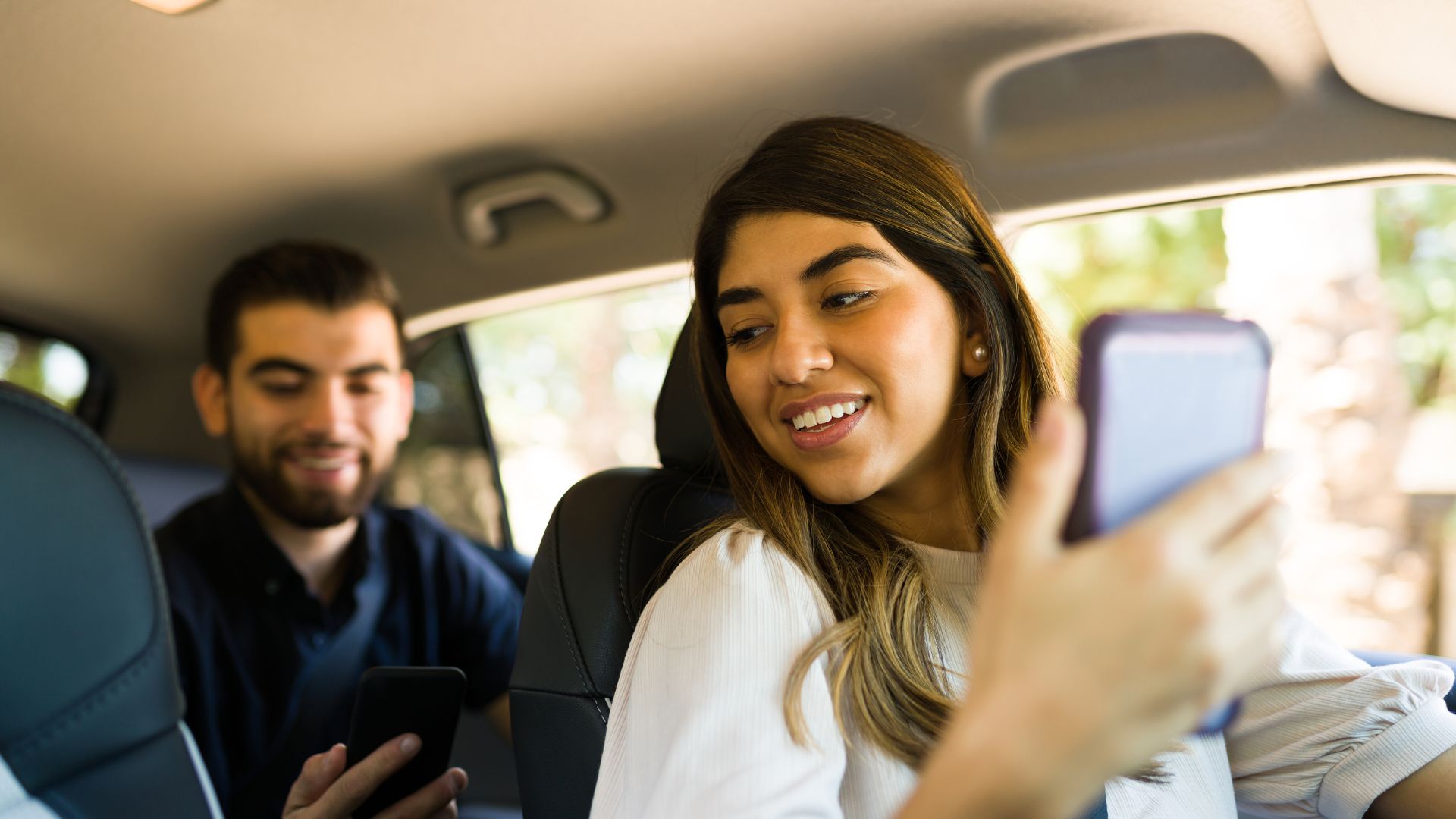
App status can decide whether a rideshare crash is treated as a personal auto claim, a rideshare coverage claim, or a dispute involving several insurers. A driver who is offline is usually in a different position than a driver waiting for a request, driving toward a pickup, or carrying a passenger. Rideshare accident lawyers in Los Angeles at Robert Hindin & Associates review this issue because coverage may shift based on what the app showed at the moment of impact. The same collision can create different insurance questions depending on whether the injured person was a passenger, another driver, a pedestrian, or the rideshare driver. App status gives the claim a starting point before fault, injury value, and settlement discussions are evaluated.
A rideshare company or insurer may not immediately agree about which coverage period applies. The driver may describe one status, the app records may show another, and the insurance company may request more information before accepting responsibility. Rideshare accident lawyers in Los Angeles look for records that clarify the driver’s activity without relying only on memory or assumptions. This review may include trip history, pickup details, passenger communications, ride receipts, crash timing, screenshots, and insurance correspondence. When app status is documented early, the claim is less likely to stall over which policy should respond.
Logged In Without an Accepted Ride
A driver who is logged into the app but has not accepted a ride may be covered differently than a driver carrying a passenger. This stage can create disputes because the rideshare driver is available for work, but no passenger has entered the vehicle yet. The insurance question may depend on whether the driver was actively waiting for requests or merely had the app open. Rideshare accident lawyers in Los Angeles review this distinction because insurers may try to route the claim toward a lower coverage source. The exact timing of app activity can change the direction of the case.
Driver Availability Before the Request
Driver availability can show whether the rideshare platform was part of the trip at the time of the crash. App records may show when the driver logged in, whether requests were active, and what the driver was doing before impact. Those details help determine whether the crash belonged within a rideshare coverage period.
Screenshots That Preserve App Activity
Screenshots can help preserve information before the app screen changes. A screenshot may show trip status, route activity, pickup details, or the time connected to the ride. Preserved app images can support coverage review when records are later disputed.
On the Way to Pick Up a Passenger
A crash during a pickup trip may involve different coverage because the driver has accepted a ride and is traveling for the platform. This stage often matters when the injured person is another driver, pedestrian, cyclist, or passenger in a different vehicle. Rideshare accident lawyers in Los Angeles review pickup status because the driver is no longer just waiting for requests. The app may show a destination, passenger assignment, expected arrival time, and route movement before the collision. Those details help explain why rideshare coverage should be reviewed closely.
Pickup Details Showing Ride Assignment
Pickup details can show whether the driver had already accepted a specific ride. The app may list a passenger name, pickup point, route prompt, or ride confirmation connected to the trip. These details help separate an active rideshare trip from ordinary personal driving.
Timing Between Acceptance and Impact
The time between ride acceptance and impact may become important during coverage review. A short gap may show the crash occurred while the driver was already serving the platform. That timing can challenge an insurer’s attempt to treat the trip as unrelated.
Passenger Already Inside the Vehicle
When a passenger is already in the rideshare vehicle, the claim often involves the clearest connection to the platform. The ride is active, the passenger is being transported, and the app should usually contain trip details tied to the crash time. Rideshare accident lawyers in Los Angeles review this stage because passengers may face several insurance companies after a collision. The rideshare driver, another driver, and the rideshare company’s insurer may each have a position on responsibility. Passenger status can help identify which coverage sources need review first.
Ride Receipts Showing Active Transport
Ride receipts may show the trip time, route, fare details, pickup, and destination. These records can support the passenger’s position when coverage or timing is disputed. A receipt may also help confirm the ride was active when the collision happened.
Passenger Messages Supporting Trip Details
Passenger messages can help show pickup timing, route changes, delays, or driver communication before the crash. These communications may support the timeline when other records are incomplete. They can also show how the ride was progressing before impact.
Offline Driving After the Ride Ends
A driver who is offline after a ride ends may create a different insurance issue than a driver still working through the app. This situation can arise when a crash happens after drop-off, between personal errands, or while the driver is no longer available for requests. Rideshare accident lawyers in Los Angeles examine offline driving because insurers may disagree about whether rideshare coverage applies. The end time of the prior ride, app activity after drop-off, and driver statements may all become important. A careful review helps avoid assuming coverage without checking the actual trip status.
End Time of the Prior Ride
The end time of a prior ride can help determine whether rideshare coverage still belongs in the discussion. App records may show when the passenger was dropped off and whether the driver stayed logged in afterward. Those records help separate completed rides from ongoing platform activity.
Personal Driving After App Closure
Personal driving after app closure may point toward a different insurance policy. The driver’s personal coverage may become more relevant when no active ride or app availability existed. Confirming app closure helps clarify which insurer should be contacted.
Why Insurance Coverage Can Be Complicated After a Los Angeles Rideshare Accident
Insurance coverage after a rideshare crash can depend on details that are not obvious from the scene. The injured person may know who hit them, where the crash happened, and which vehicles were involved, but the available coverage may depend on app activity, ride status, driver policy terms, and company insurance rules. Rideshare accident lawyers in Los Angeles review these coverage questions because Uber and Lyft claims can involve several insurers before one accepts responsibility. A passenger may look to one source, another injured driver may face a different path, and a pedestrian or bicyclist may need coverage evaluated from another angle. The claim can slow down when each insurer waits for another company to respond first.
Coverage disputes can also affect how quickly medical bills, lost income, repair costs, and settlement discussions are addressed. One insurer may say the driver was working through the app, while another may argue the crash belongs under a personal policy. Rideshare accident lawyers in Los Angeles examine the policy positions before the injured person is pushed between companies with conflicting explanations. This review helps identify which coverage applies, what information is still missing, and whether more than one insurance source should be involved. A rideshare injury claim becomes easier to evaluate when coverage is treated as a central issue from the beginning.
Coverage Periods Based on Ride Activity
Rideshare insurance often changes according to what the driver was doing through the app. A driver waiting for a request may trigger different coverage than a driver already traveling to a passenger or transporting someone. Rideshare accident lawyers in Los Angeles review those periods because the same driver can move through several coverage categories during one work session. The app timeline, trip receipt, passenger assignment, and driver account may all affect which policy responds. When the ride activity is unclear, insurers may use that uncertainty to delay or dispute payment.
Waiting Status With Limited Coverage
A driver who is available for ride requests may have coverage that differs from an active passenger trip. This stage can create disagreement when the crash happens before a ride is accepted. Records showing the driver’s availability help determine whether the personal policy or rideshare coverage should respond.
App Timeline Showing Coverage Period
The app timeline may show when the driver logged in, accepted a request, started navigation, picked up a passenger, or ended the ride. Those time markers help place the crash within the correct coverage period. A timeline can also challenge an insurer that tries to avoid responsibility.
Personal Auto Policies Denying Claims
Personal auto insurers may deny coverage when the driver was using the vehicle for rideshare work. Many personal policies treat commercial or app-based driving differently from ordinary personal use. Rideshare accident lawyers in Los Angeles review these denials because the injured person should not assume the first rejection ends the coverage search. A denial may point toward rideshare company coverage, another driver’s policy, or an additional source tied to the crash. The important issue is whether the denial matches the driver’s actual app status and policy language.
Policy Exclusions for App-Based Driving
A personal policy may contain exclusions for rideshare activity. Those exclusions can become important when the driver was logged in, awaiting a request, or completing a trip. The denial should be compared against the app records before it controls the claim.
Denial Letters Needing Careful Review
A denial letter may explain why an insurer refuses coverage. The reason may involve commercial use, app status, policy limits, late reporting, or a claimed coverage gap. Reviewing the letter helps identify the next coverage source that needs attention.
Rideshare Company Insurance Positions
Rideshare company insurance may apply only when certain ride conditions are met. The company or its insurer may request app records, driver statements, passenger information, trip receipts, or crash details before accepting the claim. Rideshare accident lawyers in Los Angeles review those requests because the insurer’s position may shape the entire recovery process. A company policy may provide important coverage when the driver had accepted a ride or was carrying a passenger. If the company disputes the ride stage, the injured person may need proof beyond the first crash report.
Trip Confirmation Supporting Company Coverage
Trip confirmation can show that the ride had already moved into an active stage. A passenger receipt, pickup record, driver route, or app notification may support coverage under the rideshare company’s policy. These details matter when the company argues the crash happened outside covered activity.
Passenger Records Confirming Active Service
Passenger records can help prove the driver was providing rideshare service at the time of the collision. Messages, receipts, app screenshots, and route information may support the timeline. Those records can help keep the claim from being treated as ordinary personal driving.
Multiple Insurers Delaying Responsibility
A rideshare accident claim can stall when several insurers disagree about who should respond. The driver’s personal insurer, the rideshare company insurer, another driver’s insurer, or a commercial policy may each take different positions. Rideshare accident lawyers in Los Angeles address these disputes by comparing coverage arguments against the crash facts and app records. The injured person should not have to wait while insurers trade blame over policy responsibility. Coverage review helps keep the claim moving toward the source that should answer for the loss.
Conflicting Adjuster Positions After Reporting
Different adjusters may give different explanations after the crash is reported. One may say the claim belongs to the rideshare company, while another may say the driver’s personal policy applies. These conflicting positions should be documented and tested against the available records.
Coverage Gaps Affecting Settlement Timing
Coverage gaps can delay settlement when no insurer accepts responsibility quickly. Medical bills, repair costs, and lost income may continue while coverage is being disputed. Resolving the coverage issue helps the claim move toward a meaningful settlement review.
How Robert Hindin & Associates Handles Los Angeles Rideshare Accident Claims
Robert Hindin & Associates treats rideshare accident claims as platform-based injury cases, not ordinary collisions with a different label. The firm looks at where the ride stood inside the app, who was using the vehicle, which insurer responded first, and what proof confirms the status of the trip. That distinction matters because Uber and Lyft crashes often involve passengers, rideshare drivers, other motorists, pedestrians, or bicyclists with different claim paths. Rideshare accident lawyers in Los Angeles need to sort those positions before an insurer turns confusion into delay. A claim involving app-based transportation deserves a process built around the ride itself.
The firm also focuses on communication gaps that often appear after a rideshare collision. A passenger may have receipts, but no driver information, while another motorist may know the vehicle was rideshare-related but lack trip details, and an injured driver may face questions from both personal and platform insurers. Robert Hindin & Associates works to identify what information is missing, what coverage needs attention, and what records help prove the claim. This approach helps keep the case from being pushed between insurance companies without progress. The goal is to make the rideshare connection clear enough for the claim to move toward compensation.
Mapping the Ride Before Insurance Responds
The first task is understanding the ride stage before accepting any insurer’s explanation. Robert Hindin & Associates looks at whether the driver was offline, waiting for a request, heading to a pickup, or transporting a passenger. Each stage can affect which policy may apply and how the claim should be presented. Rideshare accident lawyers in Los Angeles use that timeline to keep the insurance analysis connected to what actually happened. A rideshare claim becomes stronger when the app activity is treated as evidence, not background detail.
Trip Status Shown Through App Records
App records may show login time, ride acceptance, pickup progress, drop-off status, or trip completion. These details help explain whether the driver was using the vehicle for personal driving or platform work. That distinction can guide which insurance source should be reviewed first.
Receipts Connecting the Ride to Impact
Passenger receipts may support the timing of the crash and the active ride stage. A receipt can show pickup details, route information, fare activity, and trip completion data. Those records help confirm the rideshare connection when insurers ask for more proof.
Separating Passenger Claims From Driver Claims
A passenger’s claim does not develop the same way as a claim brought by another driver or the rideshare driver. Robert Hindin & Associates considers the injured person’s position inside or outside the vehicle before deciding which records matter most. A passenger may need proof of the ride and injury, while another driver may need app status and fault evidence. A rideshare driver may also face questions about personal coverage, platform coverage, and fault allegations. Separating these claim positions helps avoid a one-size-fits-all approach that misses important coverage issues.
Passenger Proof After a Rideshare Collision
Passenger proof may include ride receipts, app screenshots, driver details, medical records, and communications sent before or after the crash. These records help show the passenger was using the service when the injury occurred. They may also support the connection between the collision and the medical care that followed.
Outside Driver Claims Against Rideshare Vehicles
Another driver may need to show the rideshare vehicle was active through the platform. That proof may affect which insurer should answer for the crash. App status, driver statements, vehicle information, and insurance correspondence can become important in that situation.
Moving the Claim Past Coverage Delays
Coverage delays can become one of the most frustrating parts of a rideshare accident claim. Robert Hindin & Associates works to identify which insurer is taking what position and what information each one still needs. The firm looks for ways to move the claim forward when personal insurers and rideshare insurers point in different directions. This work matters because medical bills, vehicle repairs, lost income, and treatment decisions continue while coverage remains disputed. A focused response helps prevent the injured person from being left in the middle of an insurance standoff.
Insurer Positions Compared With Trip Facts
An insurer’s position should match the actual trip timeline. If a company denies coverage, the reason should be compared against app data, receipts, driver activity, and crash timing. This comparison helps challenge coverage arguments that do not fit the facts.
Claim Progress After Coverage Is Identified
Once coverage is identified, the claim can move toward injury evaluation and settlement review. The focus can shift to fault, medical treatment, lost income, and the losses caused by the crash. Robert Hindin & Associates uses that progress to help injured clients pursue compensation with fewer coverage barriers.
Contact Robert Hindin & Associates After a Los Angeles Rideshare Accident
A rideshare crash can leave you with more questions than a regular accident because the claim may depend on what the app showed, who was in the vehicle, and which insurer accepts responsibility. You may have a trip receipt, a driver name, a damaged vehicle, medical concerns, or messages from multiple insurance companies without a clear explanation of what comes next. Robert Hindin & Associates can review the ride status, coverage issues, injury records, and facts surrounding the crash so the claim does not get delayed.
Passengers, drivers, pedestrians, bicyclists, and people in other vehicles may all face different claim problems after a rideshare accident. Rideshare accident lawyers in Los Angeles help determine which details matter, what records should be saved, and how the available coverage may affect compensation. If you were injured in an Uber or Lyft crash, call Robert Hindin & Associates at (310) 473-0337 or visit our contact page for help today.