
Pedestrian Accident Lawyers in Santa Ana
A pedestrian accident in Santa Ana can change someone’s life in an instant. After impact, the pedestrian may be facing medical treatment, time away from work, painful movement, and questions about how the driver missed what should have been seen. Pedestrian accident lawyers in Santa Ana look at the crash from the pedestrian’s position, including where the person was walking, what the driver failed to notice, and which records show how the injury developed. Robert Hindin & Associates works with injured pedestrians who need the evidence arranged around what happened before impact and what changed afterward.
A pedestrian claim should not be shaped by the driver’s first explanation or by an insurer’s early attempt to narrow responsibility. The cause of the collision may appear through a turn path, a missed signal, a driveway exit, a distracted moment, or a vehicle that moved too fast for the area. Pedestrian accident lawyers in Santa Ana can review scene evidence, medical documentation, witness information, and vehicle damage to determine whether the facts support a claim for compensation. Call Robert Hindin & Associates at (310) 473-0337 to get a free consultation about your Santa Ana pedestrian accident claim.
Common Causes of Pedestrian Accidents in Santa Ana, California
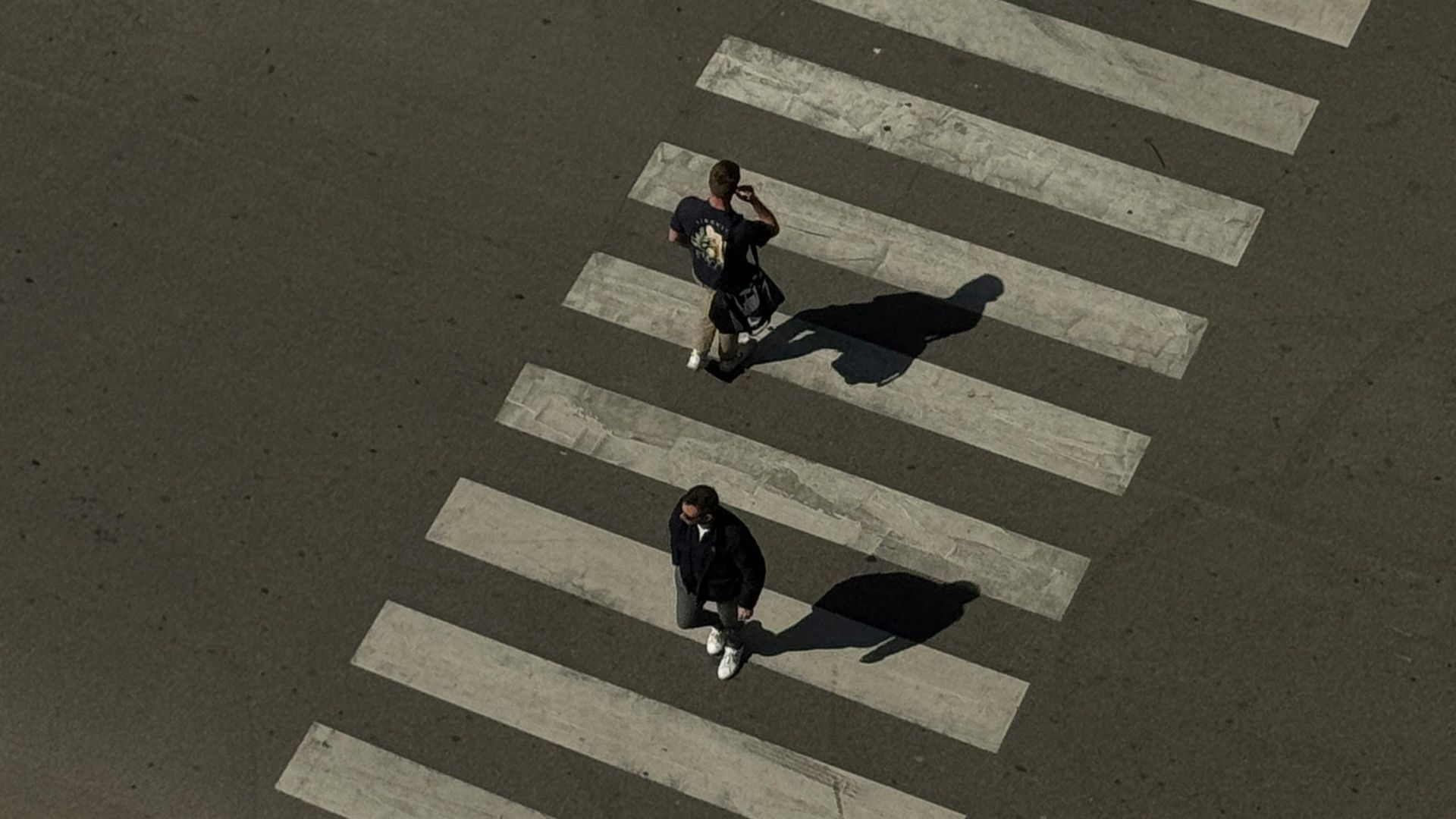
Pedestrian accidents in Santa Ana often come from driver choices made in places where people are already expected to walk. A driver may cut through a turn lane, edge out of a driveway, move across a parking lot, or enter a crosswalk before checking the full path ahead. Robert Hindin & Associates studies these causes because the setting can show whether the driver ignored a risk that should have been obvious. The cause of the crash should be tied to movement, timing, visibility, and the driver’s duty to watch for people on foot. A claim becomes more specific when the careless act is identified instead of described only as a collision.
Santa Ana pedestrian crashes can also involve short distances and fast decisions. A person walking near a curb, storefront, apartment entrance, bus stop, school area, or marked crossing may have very little time to avoid a vehicle moving into their path. The driver’s explanation may focus on traffic, glare, or confusion, but the cause often depends on what the driver failed to notice before contact. Pedestrian accident lawyers in Santa Ana can review those details to show why the crash occurred and how the driver’s conduct created danger. The injury claim should begin with the unsafe action that placed the pedestrian at risk.
Unsafe Turns Through Walking Paths
Unsafe turns can place a vehicle directly across a pedestrian’s path before the person walking has time to react. A driver may turn right while watching only oncoming traffic, turn left across a crosswalk, or move quickly through an intersection without scanning for people on foot. These crashes often happen because the driver treats the turn as a vehicle gap issue instead of a pedestrian safety issue. Pedestrian accident lawyers in Santa Ana review turn movement, signal timing, lane position, and witness details to understand how the vehicle entered the walking path. A turn that feels routine to a driver can create serious harm when someone is crossing nearby.
Crosswalk Entry During a Turn
Crosswalk entry during a turn can show whether the driver moved before the area was clear. A driver may focus on other vehicles while missing a pedestrian already crossing. This detail can help explain why the impact happened.
Signal Timing and Turn Direction
Signal timing and turn direction can show what the driver should have expected. A walk signal, red light, turn arrow, or traffic pattern may affect the fault review. These details help place the turn inside the rules controlling the location.
Driveway Exits With Poor Lookout
Driveway exits create danger when drivers move from private property into areas where pedestrians are walking. A vehicle may come out of an apartment complex, business entrance, shopping center, gas station, or parking garage without enough attention to the sidewalk. The driver may be watching for traffic openings while overlooking the person walking directly across the driveway path. Pedestrian accident lawyers in Santa Ana review driveway crashes by looking at sight lines, vehicle angle, pedestrian location, and whether the driver paused before entering the public way. The cause often comes down to a failure to check the sidewalk before moving forward.
Sidewalk Traffic Near Driveways
Sidewalk traffic near driveways should be expected by careful drivers. People may walk past storefronts, homes, parking areas, or business entrances at any time. A driver leaving a driveway must account for that movement.
Sight Lines From the Exit Point
Sight lines from the exit point may show whether the pedestrian was visible. Parked cars, walls, signs, landscaping, or building features may affect the driver’s view. These conditions can help explain what a careful driver should have done.
Parking Lot Movement Around Pedestrians
Parking lots can create pedestrian crashes when drivers focus on spaces, exits, or other cars instead of people walking nearby. A driver may reverse from a stall, cut across lanes, turn around a parked vehicle, or move toward an exit without checking the surrounding area. Pedestrians may be walking to a store, returning to a vehicle, pushing a cart, or moving through a painted walkway. Pedestrian accident lawyers in Santa Ana review parking lot movement because low speed does not make the crash harmless. The cause may still involve poor lookout, unsafe backing, or a failure to yield in a place designed for walking.
Reversing Vehicles Near Storefronts
Reversing vehicles can strike pedestrians who are difficult to see from the driver’s seat. Mirrors and backup cameras do not replace the duty to check carefully. The driver’s backing movement may explain why the pedestrian had little warning.
Painted Walkways and Parking Aisles
Painted walkways and parking aisles may show where pedestrians were expected to travel. These markings can support the pedestrian’s position when the driver claims the person was unexpected. The layout helps explain how the crash developed.
Distracted Driving Near Busy Curb Areas
Busy curb areas require full driver attention because pedestrians may be stepping from sidewalks, waiting near vehicles, or crossing toward nearby entrances. A driver looking at a phone, navigation screen, passenger, food order, or parking space may miss movement that was visible seconds earlier. Distraction becomes especially dangerous when the vehicle is near schools, shops, apartments, transit stops, or rideshare pickup areas. Pedestrian accident lawyers in Santa Ana examine distraction by reviewing witness details, phone use indicators, late braking, and the driver’s actions before contact. The cause may be found in the moment the driver looked away.
Late Braking Before Impact
Late braking can suggest the driver did not notice the pedestrian in time. Skid marks, witness accounts, vehicle damage, or camera footage may show when the driver reacted. A delayed response can support a distraction argument.
Phone or Screen Use Indicators
Phone or screen use indicators may appear through witness statements, driver comments, or surrounding circumstances. A driver using navigation or messaging may miss someone walking nearby. Those details can help explain why the vehicle kept moving.
How Pedestrian Accident Lawyers in Santa Ana Build Evidence-Based Claims
An evidence-based pedestrian claim should answer one central question. What proves the driver created danger before the pedestrian was hit. In Santa Ana, that answer may come from the turn angle, curb location, driveway exit, parking lot layout, traffic signal, camera angle, or the first medical record after impact. Pedestrian accident lawyers in Santa Ana build the claim by giving each piece of proof a job instead of letting the case depend on a general crash description. The result is a claim that explains the driver’s conduct, the pedestrian’s injury, and the losses caused by the collision.
A stronger claim also separates facts from explanations that sound convenient after the crash. A driver may say the pedestrian appeared quickly, but camera footage may show a slow turn through a walkway. An insurer may question injury severity, but treatment records may show worsening pain, mobility limits, or work restrictions. Robert Hindin & Associates reviews the proof behind each issue so the claim can respond with documentation instead of assumption. Evidence becomes more useful when it is connected to the exact dispute it needs to answer.
Proof From the Driver’s Path
The driver’s path can show whether the vehicle moved into a place where a pedestrian should have been expected. A turn through a crosswalk, a pullout across a sidewalk, a reverse movement in a parking lot, or a curbside merge can all explain how the crash happened. Pedestrian accident lawyers in Santa Ana look at the vehicle’s path because driver movement often reveals more than the driver’s later explanation. The path may show whether the driver had time to slow, stop, yield, or wait before contact. This type of proof helps turn the crash from a disputed story into a sequence that can be checked.
Turn Angle and Vehicle Direction
Turn angle and vehicle direction can show how the driver entered the pedestrian’s space. A wide turn, fast pullout, or angled approach may support the pedestrian’s account. These details help explain why the driver’s movement was unsafe.
Impact Point on the Vehicle
The impact point may reveal how the pedestrian and vehicle came together. Damage to the bumper, hood, mirror, side panel, or windshield can support the crash sequence. This proof can challenge a driver’s version when the details do not match.
Footage From the Pedestrian Accident
Video can give the claim a viewpoint that neither driver nor pedestrian fully controls. A camera near a storefront, parking entrance, apartment building, traffic signal, or rideshare pickup area may show the seconds before impact. Pedestrian accident lawyers in Santa Ana may use footage to confirm speed, braking, turning movement, pedestrian location, or whether the driver looked toward the walking area. Even partial footage can matter when it shows the vehicle before or after contact. A short recording may answer questions that statements leave unresolved.
Cameras Facing the Walking Area
Cameras facing the walking area may capture the pedestrian before impact. The footage may show crossing movement, sidewalk position, or how the vehicle approached. These details can help show whether the pedestrian was visible.
Video Saved Before Routine Deletion
Video should be sought quickly because many systems delete recordings automatically. A short delay may mean useful footage is gone before anyone asks for it. Preserving footage early can protect one of the strongest forms of proof.
Treatment Records That Show the Extent of the Injury
Treatment records should show how the injury moved from the crash scene into the person’s recovery. The first report of pain, later diagnostic testing, therapy progress, specialist referrals, and provider restrictions may each explain a different stage. Pedestrian accident lawyers in Santa Ana review this sequence because insurers may treat later symptoms as unrelated when the record is incomplete. The medical file should show what changed in the body after the vehicle struck the pedestrian. A connected treatment record makes the injury harder to minimize.
First Symptoms and Later Findings
First symptoms may include pain, swelling, dizziness, stiffness, or difficulty walking. Later findings may show fractures, soft tissue damage, nerve symptoms, or joint problems. This progression helps explain why treatment continued after the first visit.
Restrictions That Show Function Loss
Restrictions can show how the injury affected movement and work. A provider may limit standing, driving, lifting, bending, or full shifts. Those limits help connect medical treatment to real losses.
Records That Give Losses Specific Value
A pedestrian claim needs proof that translates injury into measurable harm. Medical bills, pay records, employer notes, receipts, transportation costs, and provider restrictions can show what the crash cost beyond pain alone. Pedestrian accident lawyers in Santa Ana use those records to connect the injury with income loss, treatment expenses, and added recovery costs. This proof matters because insurers often reduce claims when losses are described without documentation. A claim becomes stronger when each requested amount is tied to a record.
Pay Records After Missed Work
Pay records may show missed shifts, reduced hours, unpaid leave, or lost wages. Employer notes can explain why the injury affected work duties. These records help support the financial part of the claim.
Receipts From Recovery Expenses
Recovery expenses may include transportation, medication, medical equipment, parking, or appointment costs. Receipts help preserve smaller losses that are easy to overlook. Those records give the claim more complete financial support.
Why Choose Robert Hindin & Associates for Your Santa Ana Pedestrian Crash Claim

Robert Hindin & Associates helps injured pedestrians understand the claim before insurance pressure turns confusion into decisions. A Santa Ana pedestrian crash may involve driver excuses, missing video, medical questions, work disruption, and uncertainty about what compensation should include. Pedestrian accident lawyers in Santa Ana should be able to explain how each part of the claim fits together without making the injured person sort through every dispute alone. The firm focuses on what needs to be proven, what evidence is available, and what problems may appear before settlement discussions begin. Choosing legal help means choosing someone who can make the claim easier to understand while still protecting its value.
The firm also brings the pedestrian’s experience back into a process that often becomes too focused on forms, adjuster comments, and driver statements. A person hit while walking may be dealing with pain during movement, fear near traffic, missed work, medical appointments, and transportation challenges. Robert Hindin & Associates looks at those details alongside the crash evidence so the claim reflects both responsibility and harm. This matters when the insurer treats the crash like a short event instead of a disruption with lasting consequences. A Santa Ana pedestrian injury claim should be built around the person who was struck, not only the paperwork created afterward.
Early Answers Before Insurance Pressure
A pedestrian crash often creates questions that arrive before the injured person feels ready to answer them. Robert Hindin & Associates helps identify which facts matter, which documents should be saved, and which insurance questions deserve caution. The firm looks at driver conduct, injury timing, medical care, and financial losses before the claim moves toward negotiation. Pedestrian accident lawyers in Santa Ana can help prevent the process from being shaped by rushed answers or incomplete records. Clear answers early can make the claim stronger when disputes begin.
Insurance Contact With Better Context
Insurance contact should happen with an understanding of the claim’s weak points and supporting records. Questions about fault, pain, treatment, and timing may affect later negotiations. Better context helps prevent early communication from creating unnecessary problems.
Decisions Made After Record Review
Important decisions should follow a review of the available records. Medical notes, scene photographs, witness details, and insurance letters may each affect the next step. A decision made with records is safer than one made under pressure.
Injury Effects Beyond Medical Bills
The effect of a pedestrian injury is not always shown by medical bills alone. Robert Hindin & Associates considers how the crash affected walking, standing, sleep, work, transportation, and ordinary responsibilities. Those details help explain why the injury changed more than the injured person’s appointment schedule. Pedestrian accident lawyers in Santa Ana can use this information to show how the crash affected daily function. The claim becomes more complete when the injury is described through specific consequences.
Movement Limits After Impact
Movement limits may affect errands, stairs, driving, work duties, and basic household tasks. Pain while walking or standing can change routines throughout recovery. These details help show the injury’s practical effect.
Recovery Problems Outside Treatment
Recovery problems may continue between medical appointments. Missed work, transportation difficulty, sleep disruption, and help needed at home can all affect the claim. These details help show losses that paperwork may not fully capture.
Evidence Matched to Driver Disputes
Evidence should do more than fill a file. Robert Hindin & Associates reviews each record by asking what it proves and how it may affect the claim’s direction. A photograph may answer a visibility dispute, while a medical restriction may explain lost income or reduced mobility. Pedestrian accident lawyers in Santa Ana need to connect evidence with the disputes most likely to appear. That approach keeps the claim focused instead of buried under disconnected documents.
Proof Matched to Driver Arguments
Driver arguments may involve timing, crossing location, visibility, or distraction. Each argument should be compared with photographs, camera footage, witness accounts, and traffic controls. Matching proof to the argument helps keep the claim grounded.
Records Supporting Settlement Value
Settlement value should be supported by records that explain fault, injury, and loss. Medical bills, wage records, provider restrictions, and scene evidence may each support a different part of the claim. A value discussion is stronger when the support is specific.
Schedule With Robert Hindin & Associates Today to Talk About a Santa Ana Pedestrian Crash
A Santa Ana pedestrian crash deserves early legal review before the driver’s account or early insurance pressure influences the entire claim. The collision may have affected your movement, work, transportation, medical care, and comfort in ways that are not obvious from the first report. Robert Hindin & Associates looks at the cause of the crash, the records supporting fault, and the injury details that show what changed after impact.
The right time to ask questions is before an adjuster turns incomplete information into a settlement position. Pedestrian accident lawyers in Santa Ana review driver conduct, scene evidence, medical documentation, and losses connected to the injury. To discuss your Santa Ana pedestrian accident claim with Robert Hindin & Associates, call (310) 473-0337 or visit our contact page today.