Motorcycle Accident Attorneys in California

Motorcycle Accident Attorneys in California

After a California motorcycle accident, insurers often look closely at speed, lane position, helmet use, visibility, and medical timing before accepting responsibility. Those issues can shape fault disputes, recorded statements, settlement timing, and the way an insurer values the rider’s injuries. That makes the first days after the crash important, especially when the motorcycle, riding gear, scene photos, witness names, and medical records may explain what really happened. Motorcycle accident attorneys in California can protect those details before blame shifts away from the driver who caused the collision.

Robert Hindin & Associates helps riders whose claims require more than a quick insurance review. Our firm looks at the crash from the rider’s side, road contact, driver inattention, and severe injuries, which can change everyday life. A strong motorcycle accident claim should answer the assumptions insurers make while also showing the real cost of recovery. Call Robert Hindin & Associates at (310) 473-0337 to get a free case review today on your motorcycle crash claim.

What To Do First After a Motorcycle Accident in California

The first steps after a motorcycle accident should protect your health and preserve the facts that explain how the crash happened. A rider’s body absorbs direct force, so pain, dizziness, road rash, shoulder trauma, knee injuries, back symptoms, and head complaints should be taken seriously from the beginning. Emergency care or prompt medical evaluation creates a record that connects the crash to the symptoms that appear in the hours and days afterward. The motorcycle, helmet, gloves, jacket, boots, and damaged clothing should also be preserved because those items often show impact direction and road contact. Robert Hindin & Associates uses those early details to address fault disputes before an insurer builds the claim around assumptions about the rider.

A rider should avoid debating fault at the scene or giving broad explanations to an insurance adjuster before the medical and crash records are reviewed. Statements about speed, lane position, pain level, or visibility can create problems when they are made before the rider understands the full evidence. Photos, witness names, medical discharge papers, repair documents, and insurance letters should be saved together rather than scattered across texts, emails, and paper files. California motorcycle accident claims often become more difficult when important details are lost during the first week. Early organization gives the claim specific facts before memory, paperwork, and physical evidence begin to change.

Get Medical Care Before Symptoms Worsen

Medical care should come first after a motorcycle crash because adrenaline can mask injuries that become more serious later. A rider may leave the scene with manageable pain, then develop headaches, stiffness, numbness, swelling, wound complications, or difficulty sleeping. Doctors can document symptoms, order imaging, clean wounds, evaluate possible head trauma, and explain activity restrictions. That documentation matters when an insurer later argues that delayed treatment means the injuries were not connected to the crash. Medical records should show the rider’s condition before the insurance company starts questioning the injury timeline.

Road Rash and Hidden Trauma Need Attention

Road rash can involve more than surface wounds when gravel, glass, or debris enters the skin. A rider may also have internal bruising, joint damage, concussion symptoms, or nerve irritation that does not appear clearly at the scene. Medical evaluation helps identify injuries that require wound care, imaging, specialist review, or follow-up treatment.

Follow-Up Visits Show Injury Progression

Follow-up visits show how symptoms changed after the first medical appointment. A doctor may document worsening pain, infection risk, reduced range of motion, sleep problems, or the need for physical therapy. Those records give the claim a clearer medical timeline.

Preserve the Motorcycle and Riding Gear

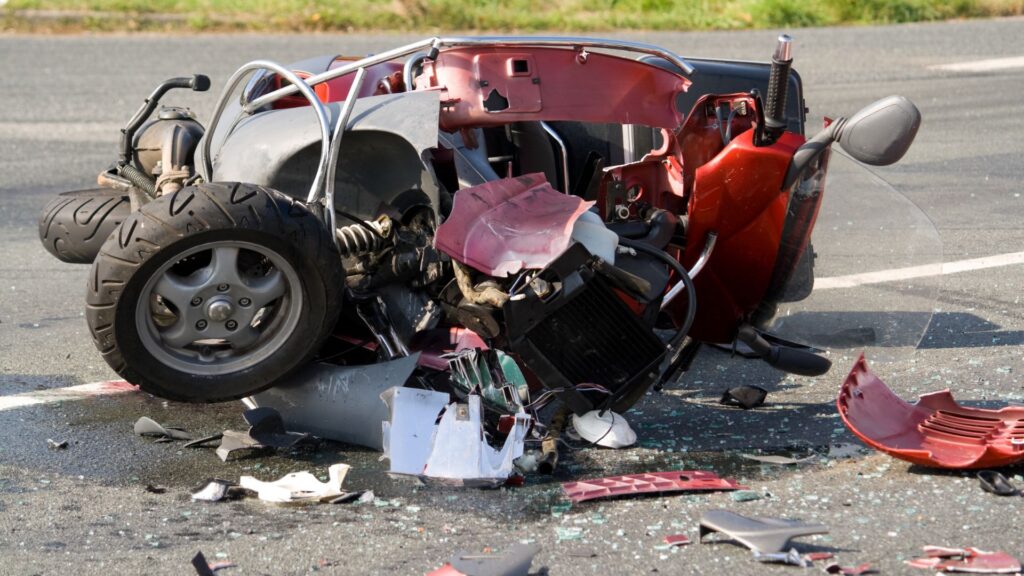
The motorcycle and riding gear should be treated as evidence after a serious crash. Scrapes on the bike, torn gloves, helmet damage, broken mirrors, crushed foot pegs, and shredded clothing can show how the rider moved during impact. Those physical details matter when the other driver claims the rider appeared suddenly, moved unpredictably, or caused the collision. Repair work, storage movement, cleaning, or disposal can erase proof before anyone understands its value. Photos should capture the bike and gear before anything gets fixed, replaced, or thrown away.

Helmet Damage and Clothing Tears

Helmet marks can show where the rider’s head absorbed force during the crash. Torn clothing may explain abrasions, shoulder contact, knee trauma, hip injuries, or sliding across pavement. These details help connect visible damage to the rider’s medical complaints.

Bike Repairs Should Wait for Documentation

Repair decisions should wait until the motorcycle has been photographed from several angles. Close photos should show impact points, scrape direction, broken parts, tire condition, and any damage to controls. Storage or repair records should also be saved because they show what happened to the bike after the crash.

Save Witness Details and Scene Information

Witness information can become difficult to recover once traffic clears and everyone leaves the area. A witness may have seen the other driver turn, merge, drift, stop late, look away, or fail to notice the motorcycle before impact. Scene photos should show lane markings, traffic controls, vehicle positions, debris, lighting, and anything that affects visibility. These details help explain the collision without relying only on the driver’s version or the rider’s memory. The stronger the scene record becomes, the harder it is for an insurer to replace facts with speculation.

Photos Should Capture the Full Area

Photos should show more than the damaged motorcycle and vehicle. Wide images can reveal lane layout, traffic flow, nearby signs, sightlines, and where each vehicle stopped after the crash. Close images can preserve debris, paint transfer, broken parts, and road marks that help explain movement.

Witness Accounts Need Quick Follow-Up

Witnesses may remember details that neither driver noticed during the crash. Their names, phone numbers, and brief observations should be saved before they leave. A neutral account can address later disputes about speed, lane position, and driver awareness.

Contact an Attorney Before Insurance Pressure Builds

Insurance companies may contact a rider quickly after a motorcycle crash to ask about injuries, speed, visibility, lane position, and what the rider remembers. Those questions can sound routine, but incomplete answers may affect fault, damages, and settlement timing. Motorcycle accident attorneys in California review the available facts before detailed insurance conversations create unnecessary problems. Legal guidance is especially important when the other driver blames the rider, the injuries require ongoing care, or the insurer pushes for a recorded statement. A lawyer can identify which records need attention before the claim moves into settlement discussions.

Recorded Statements Need Careful Review

Recorded statements create risk when the rider has not reviewed medical records, photos, witness information, or the traffic report. An adjuster may ask narrow questions about speed, pain, road position, or prior injuries before the rider has complete answers. Careful preparation keeps the statement from becoming a tool for unfair blame.

Legal Help Protects Early Claim Decisions

Early legal help can guide decisions about medical documentation, property damage, insurance communication, and evidence preservation. The attorney can also explain what the insurer needs and what requests deserve caution. Those decisions affect the claim before settlement numbers are ever discussed.

More than lawyers. Advocates for your recovery.

Trusted Guidance

What Evidence Matters Most After a California Motorcycle Accident

The evidence in a motorcycle crash has to do more than sit in a file. It has to explain a collision where the rider had little physical protection, and the other driver may describe the motorcycle as sudden, hard to see, or moving too fast. A scrape across one side of the bike, a torn jacket sleeve, a dented vehicle panel, or a mark across the pavement may change how fault is understood. Motorcycle accident attorneys in California look for the relationship between those details instead of treating each item as a separate piece of paperwork. The goal is to show how the driver’s movement placed the rider in danger.

A useful evidence review starts with the question the insurer is likely to avoid. Did the driver turn across the motorcycle’s path, drift into the rider’s lane, misjudge distance, ignore traffic movement, or fail to check before moving? The answer usually appears through several connected details rather than one dramatic photograph. Robert Hindin & Associates reviews the crash record with attention to movement, contact points, injury patterns, and the timing of medical complaints. That type of review helps the claim focus on driver conduct instead of assumptions about motorcycles.

How Rider-Blame Arguments Affect California Motorcycle Accident Liability

Motorcycle accident liability can become distorted when an insurance company treats the rider’s presence as the problem instead of the driver’s unsafe choice. A driver may say the motorcycle came up too quickly, appeared from nowhere, occupied the wrong part of the lane, or seemed difficult to judge in traffic. Those claims need careful review because they often rely on perception rather than verified crash facts. Motorcycle accident attorneys in California examine rider-blame arguments by separating what the driver assumed from what the driver actually did before impact. Liability becomes clearer when the focus returns to the decision that placed the rider in danger.

A motorcycle claim should not accept fault percentages based on stereotypes about riders. California liability disputes may involve comparative fault arguments, which means an insurer may try to reduce payment by assigning part of the crash to the injured rider. That issue deserves a direct response before settlement discussions begin because even small fault shifts can affect recovery. Robert Hindin & Associates reviews the driver’s conduct, the rider’s position, the timing of each movement, and the insurance company’s explanation for assigning blame. The claim needs facts strong enough to challenge the blame that rests on assumption rather than proof.

Trusted Guidance

What Compensation Can Motorcycle Accident Attorneys in California Pursue

Compensation after a motorcycle accident should account for the way the crash changes treatment, work, mobility, transportation, and normal daily routines. A rider injured without the protection of a vehicle frame may face hospital bills, wound care, surgery, therapy, missed income, damaged property, and lasting pain that affects nearly every part of recovery. The value of the claim depends on more than the first bill or the visible damage to the motorcycle. Motorcycle accident attorneys in California review the financial and personal consequences together so the claim does not treat medical costs as the only measure of harm. A settlement discussion should reflect the life the rider is trying to rebuild.

Insurance companies often separate losses into narrow categories, which can make the injury appear smaller than it is. A shoulder injury might affect daily life through work and movement, while road rash might involve infection risk, scarring, dressing changes, and months of discomfort. A fair damages review should connect each loss to the crash and explain how those losses developed over time. Robert Hindin & Associates evaluates motorcycle accident damages by looking at treatment needs, income disruption, future care, property loss, and the personal effects of reduced independence. The claim should describe recovery in practical terms, not only in billing codes.

The Approach Robert Hindin & Associates Uses for California Motorcycle Accident Cases

Robert Hindin & Associates approaches California motorcycle accident cases by first identifying the pressure points that usually appear before a fair settlement discussion begins. Rider-blame arguments, incomplete medical timelines, property damage disputes, and insurance assumptions about motorcycles can all narrow the claim if they are not addressed early. The firm studies how the crash changed the rider’s physical movement, work capacity, transportation, and daily independence instead of reducing the case to repair costs or emergency bills. Motorcycle accident attorneys in California need to present the claim in a way that shows how the driver's conduct created real consequences for someone with little physical protection. The approach centers on making the rider’s experience clear without letting the insurance company control the explanation.

A motorcycle case also needs practical organization because important details usually come from different places. Medical records, repair documents, gear photos, insurance letters, wage information, and witness accounts each answer a different part of the claim. Robert Hindin & Associates brings those records into one claim strategy so liability, damages, and settlement value are not treated as disconnected issues. The firm also watches for defense tactics that place unfair emphasis on speed, lane position, visibility, or rider judgment without enough factual support. Each part of the case receives attention before settlement discussions begin, limiting the rider’s recovery.

Ready To Help

Get a Free Consultation Today From Robert Hindin & Associates Regarding Your California Motorcycle Accident

A California motorcycle crash can turn medical care, damaged property, insurance questions, and missed work into one urgent legal problem. Early pressure from an adjuster may arrive while the rider is still dealing with injuries and uncertainty about what the next steps are. Robert Hindin & Associates steps into this situation by identifying what needs attention first and what should not be decided before the record is complete. Motorcycle accident attorneys in California should account for how the crash affects medical treatments, missed income, and the rider’s ability to move through daily life safely.

A conversation with our firm can help you feel more confident in the legal process. The discussion may cover what the driver did, what the insurance company is already questioning, which records are missing, and how the injuries are affecting daily life beyond the medical bills. Robert Hindin & Associates handles California motorcycle accident claims with attention to the rider’s injuries and the assumptions insurers often use against motorcyclists. Call Robert Hindin & Associates today at (310) 473-0337 or visit our contact page to learn how we can help you get the compensation that you deserve.