
Car Accident Lawyers in Los Angeles
A Los Angeles car accident can become complicated when each driver gives a different account of the crash. Car accident lawyers in Los Angeles review more than the damage left behind because fault often depends on timing, lane position, traffic movement, witness statements, and the way injuries developed afterward. Robert Hindin & Associates helps Los Angeles residents examine the facts before an insurer turns an incomplete version of events into the foundation of the claim.
The days after a crash can feel especially difficult when pain from the injuries continues, bills arrive, and the other side disputes responsibility. Medical records, photographs, repair estimates, police reports, and witness accounts can all become important when the crash story is contested. Car accident lawyers in Los Angeles can help evaluate whether the available proof supports fault, injury causation, and the losses that should be considered before settlement discussions begin. If you were hurt in a Los Angeles crash and need legal guidance, call Robert Hindin & Associates at (310) 473-0337 to discuss your claim with our car accident attorneys today.
How Car Accident Lawyers in Los Angeles Handle Fault Disputes After a Collision
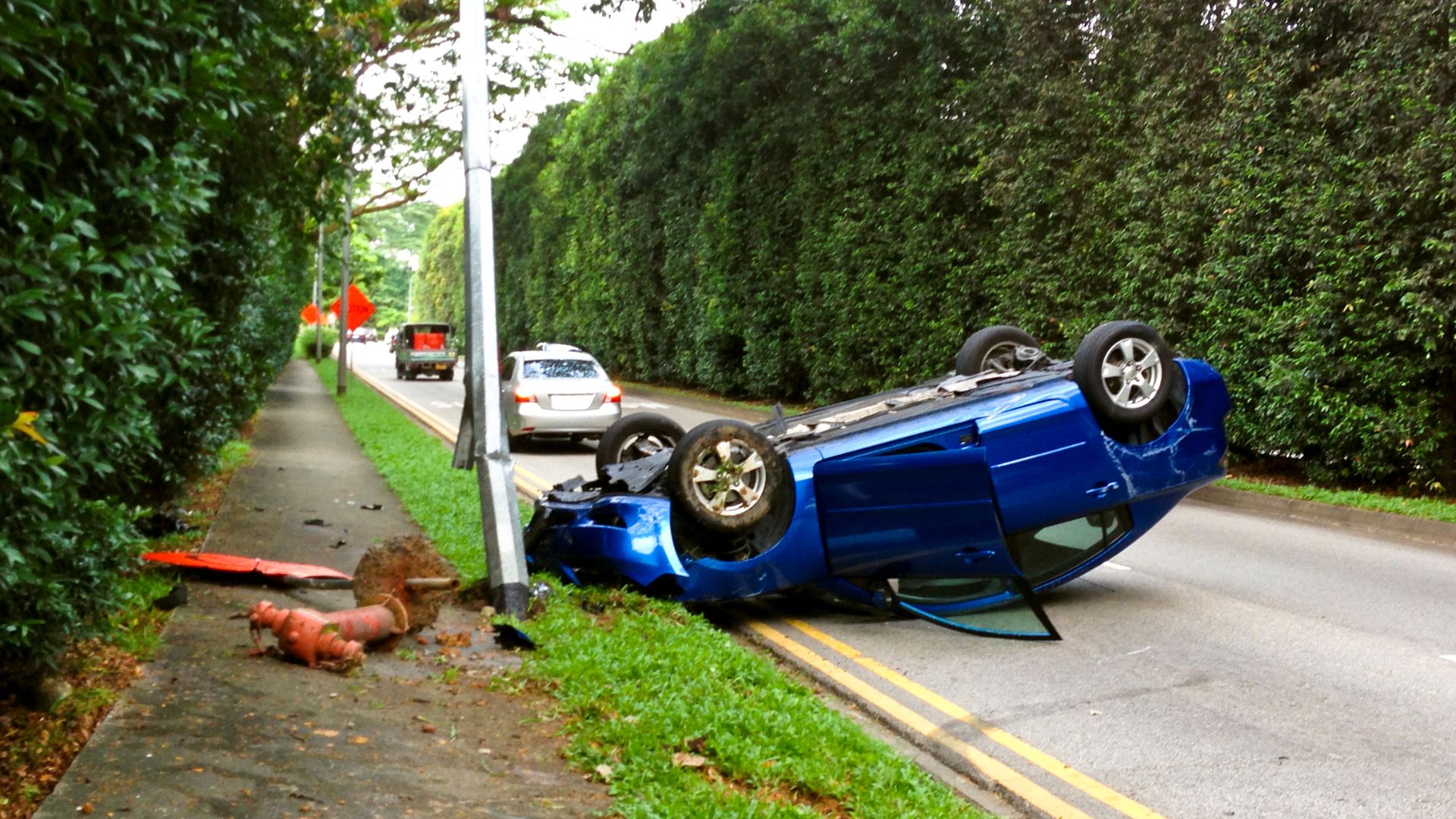
Fault disputes often begin before the injured person has finished medical treatment or received a complete explanation of the crash. One driver may describe a sudden stop, unsafe lane change, missed signal, or unavoidable impact, while the other side may remember the event very differently. Robert Hindin & Associates looks into these competing accounts by looking at timing, vehicle position, traffic flow, damage patterns, witness observations, and available records. This review matters because a disputed story can affect medical payment, repair coverage, lost income, and settlement value. A claim becomes stronger when the crash sequence is explained through facts instead of assumptions.
Los Angeles collisions can involve quick decisions made in heavy traffic, parking areas, intersections, residential streets, and business entrances. Those settings often create disagreement over who had enough time to yield, brake, signal, look, or avoid the collision. Car accident lawyers in Los Angeles examine what each driver did before the crash because the final moment rarely explains the whole crash. A driver who sounds confident after the collision may still be wrong about speed, distance, visibility, or right of way. Careful fault review helps prevent the injured person from carrying blame that does not match the evidence.
Conflicting Driver Accounts After Impact
Different crash stories can appear immediately after a collision. One driver may say the other vehicle came out of nowhere, stopped without warning, drifted across a lane, or entered traffic too quickly. Car accident lawyers in Los Angeles compare those statements against physical damage, photographs, traffic conditions, police notes, and witness observations. This comparison helps show which parts of each account fit the actual crash. When a driver’s version changes over time, the inconsistency can become important during claim review.
Statements That Change During the Claim
A driver may give one explanation at the scene and another explanation after speaking with an insurer. Later statements may become more polished, more defensive, or more focused on shifting the fault away from that driver. Those changes deserve attention because they can show where the original account was weak.
Early Details Worth Preserving
Early details may include apology statements, location descriptions, braking comments, signal use, or admissions about distraction. These facts can disappear once the insurance process begins. Preserving them helps keep the original crash context from being rewritten.
Vehicle Position Before the Collision
Vehicle position can explain whether a driver had enough time and space to avoid the crash. Lane placement, turning angle, stopping distance, point of impact, and resting position may all help reveal what happened before contact. Car accident lawyers in Los Angeles review these details when each driver claims the other person caused the collision. The position of the vehicles may show whether someone merged too closely, turned too soon, or failed to yield. This type of review helps move the claim away from competing opinions.
Damage Patterns Showing Movement
Damage location can show how the vehicles met during the collision. Front-end damage, side damage, corner damage, or rear impact marks may support or weaken a driver’s account. These patterns help explain direction, timing, and the movement leading into contact.
Photographs Before Repairs Begin
Vehicle photographs are often most useful before repairs or towing change the condition of the cars. Images can show impact points, debris, glass, fluid, road markings, and the surrounding traffic area. Those photos may help clarify fault when statements alone are not reliable.
Shared Fault Claims From Insurance Companies
Insurance companies may argue that both drivers share responsibility for the collision. They may focus on braking, speed, lane position, distraction, or reaction time to reduce the value of the claim. Car accident lawyers in Los Angeles address shared fault arguments by testing whether the insurer’s position matches the evidence. A partial blame argument should not be accepted simply because an adjuster repeats it with confidence. The issue is whether the injured person actually contributed to the crash under the facts.
Blame Assigned Without Enough Proof
An insurer may assign blame before reviewing photographs, medical records, witness statements, or vehicle damage. That kind of early conclusion can unfairly shape settlement discussions. A fault percentage should be based on supported facts, not speculation.
Comparative Fault Affecting Compensation
California law allows compensation to be reduced when an injured person shares fault. That makes unsupported blame especially important to challenge. A careful review can help prevent responsibility from being overstated against the injured person.
Traffic Decisions Leading to Disputed Fault
Many fault disputes come from ordinary driving decisions made seconds before impact. A driver may turn too quickly, follow too closely, enter traffic without enough space, change lanes without checking, or brake without warning. Car accident lawyers in Los Angeles review those choices because small timing differences can decide liability. The question is not only where the vehicles ended up after the crash. The more important issue is which driver created the danger before the collision happened.
Timing Problems Before Contact
Timing can show whether a driver acted too late, too fast, or without enough clearance. A turn, merge, stop, or lane change may become unsafe when another driver has no fair chance to respond. These details help explain why the collision was preventable.
Witness Accounts About Driver Behavior
Witnesses may notice actions that drivers miss or later dispute. A witness may remember a turn signal, sudden lane movement, phone use, hard braking, or traffic conditions before impact. Those observations can help clarify fault when both drivers disagree.
Why Medical Documentation Matters After a Los Angeles Car Accident
Medical documentation can decide whether an injury claim is taken seriously after a Los Angeles collision. Treatment records show when pain began, which symptoms were reported, what doctors found, and how the injury affected the person’s ability to work or move normally. Car accident lawyers in Los Angeles review these records because insurance companies often look for gaps, vague complaints, or missing follow-up care to question the claim. A crash may cause pain immediately, but some injuries become more noticeable after stiffness, swelling, or shock begin to fade. Strong documentation helps connect the collision to the medical problems that followed.
A medical record also gives structure to losses that are otherwise difficult to explain. Doctor notes, imaging results, therapy records, prescriptions, referrals, and work restrictions can show how the injury changed over time. Car accident lawyers in Los Angeles use this information to address disputes about causation, treatment value, recovery time, and future care needs. Without clear documentation, an insurer may argue the person recovered quickly, waited too long for care, or had symptoms unrelated to the collision. Consistent medical proof helps show the actual physical and financial effects of the crash.
Treatment Timing After the First Symptoms
The timing of treatment can affect how an insurer evaluates the injury. A person who seeks care soon after a crash creates a record connecting the collision to the symptoms being reported. Delayed treatment does not always mean the injury is minor, especially when pain increases after the initial shock passes. Car accident lawyers in Los Angeles review the timing carefully because the reason for any delay may need to be explained. Transportation issues, work demands, appointment availability, or uncertainty about symptoms can all affect when care begins.
Early Care Showing Crash Connection
Early medical care helps document pain before the insurer can argue the symptoms came from something else. Emergency visits, urgent care notes, primary doctor appointments, and specialist referrals can all support the timing of the injury. These records help show the problem began close to the collision.
Delays With Real Explanations
A treatment delay should be addressed instead of ignored. Some people wait because symptoms seem manageable at first or because they expect soreness to improve. Explaining the delay can prevent an insurer from using timing alone to reduce the claim.
Symptom Can Change During Recovery
Symptoms after a car accident may change during the days and weeks following the crash. Neck pain, back pain, headaches, shoulder problems, knee pain, numbness, dizziness, or sleep disruption may become clearer after the first medical visit. Car accident lawyers in Los Angeles review symptom progression because the first record may not include every injury. Follow-up notes can show whether pain worsened, moved, became more specific, or affected daily activities. This progression helps explain why recovery should not be judged from one appointment.
Follow-Up Records Showing Progression
Follow-up records help show whether symptoms improved, stayed the same, or became more serious. A doctor may order imaging, therapy, medication, or specialist care after seeing how the injury developed. These records help explain why additional treatment was medically necessary.
Pain Patterns After Adrenaline Fades
Pain can feel different once adrenaline and shock wear off. A person may notice stiffness, headaches, radiating pain, weakness, or trouble sleeping after the first day. These changes should be documented so the insurer understands how the injury developed.
Doctor Notes Explaining Physical Limits
Doctor notes can show how an injury affects real activity instead of only naming the diagnosis. A medical provider may record limits on lifting, sitting, standing, walking, driving, bending, or returning to work. Car accident lawyers in Los Angeles use those notes to connect the injury to daily limitations and financial loss. This matters when the insurer accepts the diagnosis but disputes how serious the impact was. Clear provider notes help show why the crash affected more than the medical bill total.
Work Restrictions From Medical Providers
Work restrictions can explain why income loss followed the collision. A doctor may limit job duties, reduce hours, restrict driving, or recommend time away from physical work. These restrictions help connect medical findings to missed wages or reduced earning ability.
Activity Limits Outside the Workplace
Physical limits can affect ordinary tasks even when the person is not working. Driving, cleaning, lifting groceries, caring for children, sleeping, or attending appointments may become harder after the crash. Those details help show the injury’s practical effect.
Medical Proof Used During Settlement Review
Settlement discussions often depend on whether the medical evidence supports the claimed losses. An insurer may review bills, records, imaging, therapy notes, and provider opinions before making an offer. Car accident lawyers in Los Angeles use medical proof to show why the claim deserves more than a quick payment based on surface-level costs. The records should explain what treatment was needed, what limitations remained, and what future concerns may exist. A claim supported by medical documentation is harder to dismiss as exaggerated or unrelated.
Bills Matched With Treatment Reasons
Medical bills are stronger when the records explain why each treatment step was needed. Therapy, imaging, prescriptions, injections, referrals, or specialist visits should connect back to the injuries from the crash. This helps prevent the insurer from treating care as excessive or unnecessary.
Future Care Before Final Settlement
Future care should be considered before a claim is resolved. A person may still need therapy, follow-up appointments, pain management, imaging, or specialist review after settlement discussions begin. Medical opinions help show whether those future needs belong in the claim value.
The Approach Robert Hindin & Associates Uses for Car Accident Claims in Los Angeles

Robert Hindin & Associates looks at car accident claims through the decisions an injured person faces after the crash, not only the documents an insurer requests. A Los Angeles collision can force choices about treatment, transportation, work attendance, recorded statements, repair estimates, and settlement calls before the injury picture is complete. The firm reviews those early decisions because one rushed answer or incomplete agreement may affect how the claim is valued later. This approach gives the case a practical starting point tied to what the client is actually handling. Car accident lawyers in Los Angeles should understand how real recovery problems become legal and financial issues once an insurance company gets involved.
The firm also studies how different parts of the claim influence each other instead of treating fault, medical care, property damage, and income loss as separate conversations. A driver’s version may affect fault, treatment timing may affect injury causation, and work restrictions may affect settlement value. Robert Hindin & Associates uses that relationship to prepare the claim before the insurer isolates one issue and discounts the rest. The goal is to make the case harder to reduce by showing how each consequence traces back to the collision. That approach helps keep the claim grounded in the client’s actual experience, supported losses, and available proof.
Client Problems Immediately After the Collision
The first review starts with what changed for the injured person after the collision. Robert Hindin & Associates looks at medical appointments, transportation problems, missed work, pain limits, insurance calls, and family obligations affected by the crash. Those details show why the case is not limited to a damaged vehicle or a short report. This perspective helps explain how the crash altered responsibilities before the insurer begins assigning value. A stronger claim begins with the client’s real disruption, then connects those problems to proof.
Immediate Problems After Leaving the Scene
The period after leaving the scene often creates confusion and avoidable risk. A person may need medical attention, replacement transportation, repair guidance, insurance direction, and help understanding what not to say too soon. Those immediate problems deserve review because they often shape the claim before formal negotiations begin.
Client Priorities Before Insurance Framing
Insurance companies may focus quickly on statements, fault theories, and settlement numbers. The client usually needs answers about care, work, transportation, bills, and next steps first. Starting with those priorities keeps the case connected to the person harmed by the crash.
Insurance Choices Before the Claim Develops
Early decisions can affect the value of a car accident claim long before settlement discussions feel serious. Robert Hindin & Associates reviews recorded statement requests, medical release forms, repair decisions, treatment delays, and quick offer pressure before they create problems. This matters because an insurer may use incomplete answers to question fault, injuries, or financial loss later. The firm helps place each decision in context before the client gives up information or accepts terms without enough detail. Careful timing helps protect the claim while the facts, treatment, and losses are still developing.
Insurance Requests Made Too Soon
Some insurance requests arrive before the injured person understands the crash, injuries, or available records. A recorded statement, broad medical authorization, or fast settlement discussion may seem routine, but it still creates risk. Each request should be reviewed for purpose, timing, and possible consequences before the client responds.
Treatment Choices During Claim Development
Treatment choices become important when pain changes or recovery takes longer than expected. Missed appointments, delayed referrals, or unclear symptom reports may later be used against the claim. Robert Hindin & Associates reviews those issues so medical decisions are not separated from the reality of recovery.
Settlement Value Built From Connected Losses
A car accident claim becomes stronger when the losses are presented as connected consequences rather than disconnected expenses. Robert Hindin & Associates reviews medical bills, wage problems, transportation costs, physical restrictions, repair issues, and future concerns together. That broader view helps show why the crash caused more than one short-term inconvenience. The firm prepares the claim so that settlement discussions address the combined effect of the collision. This approach gives the demand more weight when the insurer tries to evaluate each loss in isolation.
Linking Costs to Crash Consequences
Each cost should have a reason tied to the collision. Medical care, missed income, rental expenses, repair charges, and added household burdens all need support from records or facts. When those losses are linked properly, the settlement demand becomes harder to minimize.
Settlement Value From Connected Proof
Settlement value improves when proof explains both the expense and the reason behind it. Medical notes, employment records, repair documents, photographs, and client details each answer a different part of the claim. Connected proof helps Robert Hindin & Associates present the case with stronger settlement leverage.
Start Your Free Case Review With Robert Hindin & Associates About Your Los Angeles Car Accident
A Los Angeles crash should not be reduced to a quick phone call, a repair estimate, or the other driver’s version of events. Robert Hindin & Associates can review what changed after the collision, including your treatment needs, work interruptions, transportation problems, and the facts surrounding fault. A conversation with our lawyers gives you room to understand the claim before an insurer pushes the process forward.
Every car accident claim has details that deserve attention before decisions are made. Some involve delayed pain, conflicting stories, missing photographs, disputed medical care, or pressure to settle before recovery is clear. Car accident lawyers in Los Angeles help you look at those issues with your health and financial position in mind. Call Robert Hindin & Associates at (310) 473-0337 or visit our contact page for help with your claim.