
Rideshare Accident Lawyers in San Jose
A San Jose rideshare crash can involve a passenger, an app-based driver, another motorist, and insurance companies that do not view responsibility the same way. Rideshare accident lawyers in San Jose look beyond the surface details to identify where responsibility may fall and what records are needed to support the claim. An Uber or Lyft crash may raise questions about driver conduct, passenger injury, vehicle movement, medical treatment, lost income, and settlement value before the claim is ready for review. Robert Hindin & Associates works to separate the facts from the confusion so the injured person is not left relying on a driver’s story, an insurer’s delay, or incomplete app information.
The rideshare crash claim may become more difficult when each side tries to argue liability in a different way. A driver may discuss traffic conditions, an insurer may question coverage, and the rideshare company may rely on app records that the injured person does not yet have. Rideshare accident lawyers in San Jose look into the trip details, injury documentation, insurance positions, and losses connected to the crash before settlement discussions begin, to ensure you don’t accept an early low-ball offer. Call Robert Hindin & Associates at (310) 473-0337 to discuss your claim with our rideshare accident attorneys in San Jose.
Who May Be Responsible After a San Jose Rideshare Accident
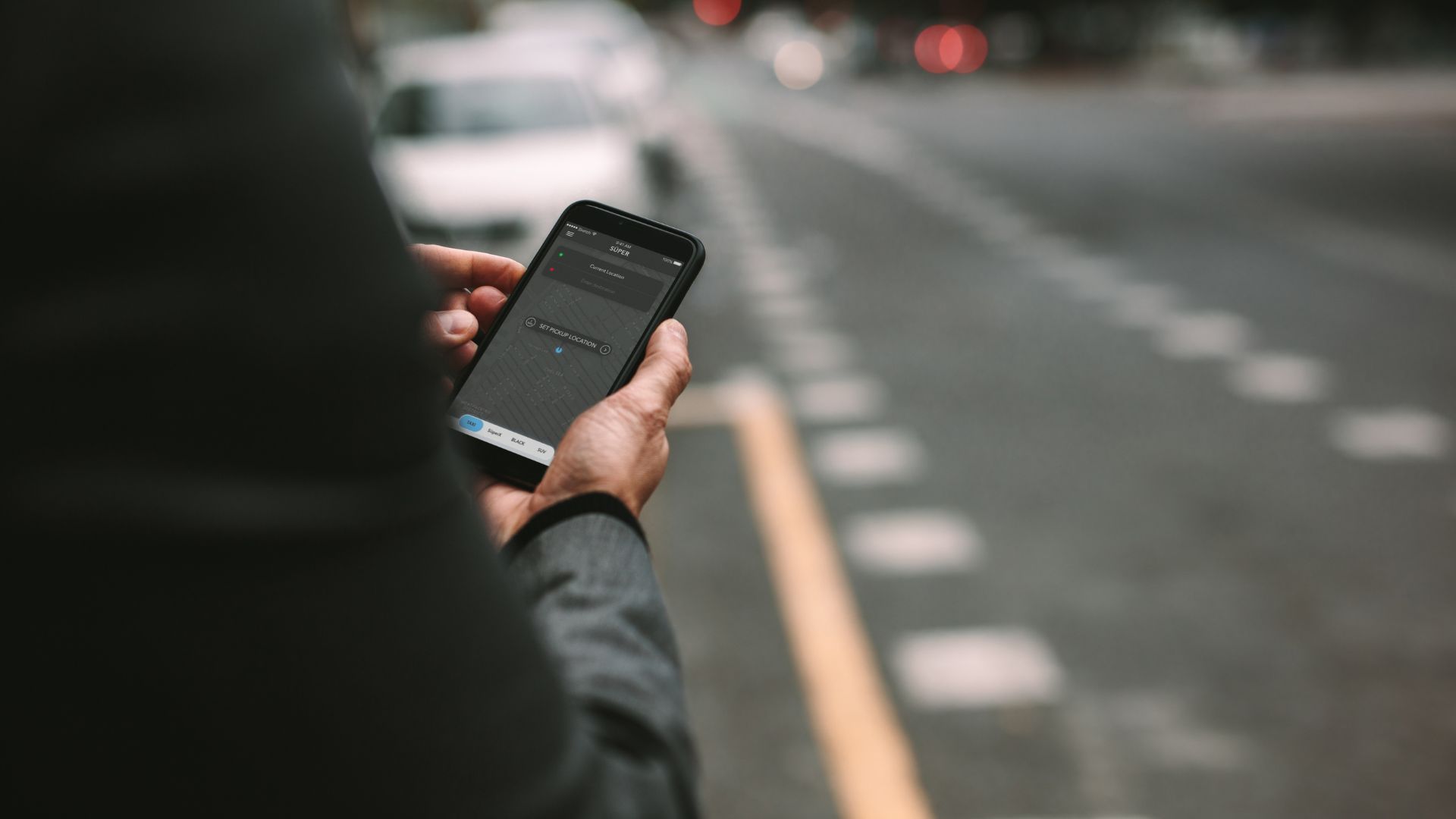
Responsibility after a San Jose rideshare crash does not always follow the name shown on the app screen. The injured person may have been a passenger, the rideshare driver, someone in another vehicle, a cyclist, or a pedestrian caught in the same collision. Robert Hindin & Associates examines each role separately because every position creates a different path for fault, coverage, and compensation. A passenger’s claim may point one way, while a nearby driver’s claim may require a different review. The responsibility analysis should begin with what each person did before impact, not with the fastest insurance response.
A rideshare crash may also create divided responsibility when one driver made a poor traffic decision, and another failed to react safely. Uber or Lyft trip information may explain the ride stage, but it does not answer every question about fault. Robert Hindin & Associates reviews the driver’s conduct, the injured person’s role, the vehicle movements, and the coverage position connected to the trip. Rideshare accident lawyers in San Jose use those details to determine where responsibility may fall before the claim is pushed toward the wrong party. A careful review helps keep the case from being controlled by assumptions about the app.
App Driver Conduct Behind the Wheel
The rideshare driver’s conduct may become central when the crash happens during a trip, pickup, drop-off, or app-related drive. A driver may turn too sharply, stop in an unsafe place, follow navigation instead of traffic, or change lanes without enough room. Those actions matter because platform use does not excuse unsafe driving around passengers or other road users. Rideshare accident lawyers in San Jose examine the driver’s choices before impact to determine whether the crash came from careless movement. The app may explain why the driver was there, but the driving conduct explains responsibility.
Navigation Choices During Active Driving
Navigation prompts may influence how quickly a driver turns, slows, merges, or changes direction. A driver still has to watch traffic, signals, pedestrians, bicyclists, and nearby vehicles while following the route. When attention shifts too heavily toward the screen, the crash sequence may show why danger was missed.
Unsafe Movement Near Pickup or Drop-Off Points
Pickup and drop-off moments may create pressure to stop quickly or move toward a curb. A driver may choose an unsafe spot, block traffic, or move before a passenger is settled. Those choices may become important when the injury occurred around the ride itself.
Passenger Status During the Crash
A passenger’s status affects responsibility because the injured person may not know what the driver saw, what the app showed, or which policy should respond. Someone riding in the back seat may only remember the impact, the driver’s reaction, and what happened afterward. A passenger entering or exiting the vehicle may face different questions about stopping location, door movement, and traffic exposure. Rideshare accident lawyers in San Jose review passenger status to understand how the injury connects to the ride. That review prevents the passenger’s claim from being treated like an ordinary driver-versus-driver dispute.
Entry and Exit Details During the Ride
Entry and exit details may show whether the driver stopped in a safe location. A passenger may have been exposed to traffic while stepping from the vehicle, reaching the curb, or closing the door. These facts help explain whether the ride was handled safely at the moment of injury.
Passenger Records Showing Ride Connection
Passenger records may include receipts, trip times, driver information, pickup details, and messages sent through the app. Those records help confirm the injured person’s connection to the rideshare trip. They also help support responsibility when an insurer questions whether the ride context matters.
Shared Fault Between Multiple Drivers
A San Jose rideshare accident may involve more than one driver making unsafe choices. The rideshare driver may have stopped suddenly while another driver followed too closely, or another motorist may have cut across the rideshare vehicle during a turn. Shared fault requires a closer look at timing, lane position, traffic controls, and what each driver had time to avoid. Rideshare accident lawyers in San Jose review these details because responsibility may be divided between several parties. The claim should not overlook one driver simply because another person’s mistake appears more obvious.
Vehicle Movements Before the Collision
Vehicle movement can show which driver created the first danger. Lane changes, braking, turning angles, following distance, and signal use may all affect responsibility. These details help explain whether one driver caused the crash or several drivers contributed to it.
Evidence Showing More Than One Cause
More than one cause may appear through photographs, witness accounts, repair records, camera footage, or police details. A single impact point may still involve several unsafe decisions. Reviewing those materials helps prevent the claim from being aimed too narrowly.
Insurance Responsibility Based on Ride Status
Insurance responsibility often depends on how the ride is classified at the time of the crash. The driver may have been off the app, waiting for a request, traveling to pick up a passenger, or already transporting someone. That classification may affect whether a personal policy, rideshare-related coverage, or another driver’s insurance becomes important. Rideshare accident lawyers in San Jose compare the trip classification with the available fault evidence before accepting an insurer’s position. Coverage responsibility should follow the facts, not the carrier’s first denial.
Policy Review Based on Ride Stage
The ride stage may determine which insurance policy deserves attention. Waiting for a request, accepting a trip, driving to pickup, and carrying a passenger may create different coverage questions. Those distinctions help identify which company should respond to the injury claim.
Insurance Denials Matched Against App Data
An insurance denial should be compared with trip records, screenshots, receipts, driver statements, and crash timing. App data may show that the insurer’s explanation leaves out important facts. That comparison helps challenge responsibility arguments that are not supported by the record.
How Rideshare Accident Lawyers in San Jose Evaluate Trips, Injuries, and Coverage Issues
A San Jose rideshare claim has three records that need to meet in the same place. The ride record shows why the vehicle was being used, the medical record shows what the impact caused, and the insurance record shows which company is trying to control the response. Rideshare accident lawyers in San Jose evaluate those records together because one missing connection can change the direction of the claim. A trip receipt alone does not prove injury value, and a medical chart alone does not answer rideshare coverage questions. The evaluation should show how the ride, crash, injury, and policy response fit into one claim.
This work becomes important when different companies hold different pieces of information. Uber or Lyft may have trip details, a medical provider may have treatment notes, an employer may have wage information, and an insurer may have a denial or coverage position. Robert Hindin & Associates reviews those materials for conflicts, missing dates, unsupported arguments, and records that need follow-up before settlement talks begin. Rideshare accident lawyers in San Jose use that evaluation to prevent the claim from being presented as disconnected paperwork. A stronger review gives every document a purpose before the insurer assigns its own value.
Trip Data Used to Confirm Ride Context
Rideshare trip data should explain where the ride stood when the crash happened. The record may show pickup timing, driver information, route details, destination movement, passenger status, or communication through the app. Those facts matter because the rideshare setting may affect responsibility and available coverage. Rideshare accident lawyers in San Jose review trip data to determine whether it supports the injured person’s version of events. The record should do more than show that an Uber or Lyft ride existed.
Pickup and Route Details With Claim Value
Pickup and route details may explain why the driver slowed, turned, stopped, merged, or entered a particular area. Those details may also show whether the driver was carrying a passenger or moving toward the next ride-related step. This information becomes useful when the insurer questions the ride connection.
App Screenshots Saved Before Access Changes
App screenshots may preserve details that become harder to retrieve later. A passenger may save the driver name, vehicle information, route, pickup point, drop-off area, and trip timing. Those screenshots may support the claim when later records are incomplete.
Medical Proof Matched to Collision Harm
Medical proof should show how the crash affected the injured person’s body. Emergency notes, imaging results, therapy records, specialist findings, medication needs, and work restrictions may each explain a different part of recovery. Rideshare accident lawyers in San Jose compare those records with the crash details so the injury is not treated as unrelated or exaggerated. The medical review should connect symptoms, diagnosis, treatment, and physical limits to the collision. That connection matters when an insurer tries to separate the injury from the rideshare crash.
Treatment Timing After the First Symptoms
Treatment timing can show when pain started and how the injury developed. A person may feel worse after the first day, receive imaging later, or begin therapy after an initial emergency visit. The timeline helps answer arguments about delayed care or changing symptoms.
Provider Restrictions Affecting Work and Movement
Provider restrictions may limit driving, lifting, standing, sitting, walking, bending, or working full shifts. These restrictions help explain why the injury affected more than medical appointments. They may also support lost income and activity limitations.
Insurance Positions Compared With Ride Facts
Insurance positions should be tested against the ride record and crash evidence. One company may deny responsibility, another may delay review, and another may argue that a different policy should respond first. Rideshare accident lawyers in San Jose compare those positions with the driver’s activity, passenger status, crash timing, and available records. A coverage position is not reliable simply because an insurer states it early. The claim needs facts that show whether the insurance explanation matches the actual ride.
Policy Responses From Multiple Companies
Multiple companies may respond after the same San Jose rideshare crash. A personal auto insurer, another driver’s carrier, or rideshare-related coverage may each take a different position. Those responses should be reviewed together instead of handled as isolated letters.
Denial Reasons Checked Against Documents
A denial reason may leave out trip timing, passenger records, driver conduct, or crash details. The explanation should be compared with screenshots, receipts, police information, photographs, and witness accounts. A mismatch may show where the insurer’s position needs to be challenged.
Settlement Review Before Negotiation
Settlement review should not begin while the claim still has obvious gaps. Missing app information, incomplete medical records, unclear wage loss, unresolved coverage disputes, or unsupported fault arguments can lower the value discussion before it starts. Rideshare accident lawyers in San Jose review settlement readiness by looking for the information an insurer is most likely to challenge. This step gives the claim a better chance to answer objections with records instead of explanations alone. The value discussion should begin only after the evidence is organized around fault, injury, coverage, and loss.
Records Needed Before Demand Review
Demand review may require medical bills, treatment notes, wage records, trip screenshots, repair information, photographs, and insurance correspondence. Each record should support a specific part of the claim. Missing documents should be addressed before the demand is presented.
Weak Points Fixed Before Negotiation
Weak points may include unclear treatment timing, inconsistent crash descriptions, missing ride details, or incomplete pay records. Fixing those issues early helps prevent the insurer from using them to reduce settlement value. A prepared claim is harder to dismiss during negotiation.
How Robert Hindin & Associates Prepares San Jose Rideshare Claims for Settlement

Settlement preparation should begin before an insurer decides which facts deserve attention. Robert Hindin & Associates prepares San Jose rideshare claims by turning scattered records into a demand that explains fault, injury, coverage, and financial harm in one organized presentation. Rideshare accident lawyers in San Jose need to account for trip details, medical proof, wage records, insurance correspondence, and the injured person’s role in the crash. The firm focuses on what the insurer must evaluate, not only what the injured person remembers from the collision. A prepared claim gives the settlement discussion a documented foundation instead of a loose argument for payment.
San Jose Uber and Lyft claims can become difficult when the information comes from several unrelated sources. A trip screenshot may explain the ride, a medical chart may explain the injury, and an insurance letter may reveal the dispute that needs an answer. Robert Hindin & Associates prepares the claim by identifying which documents support each part of the demand and which issues need clarification before negotiation. This work helps prevent settlement talks from starting with missing proof, unanswered coverage questions, or vague descriptions of harm. The demand should make the insurer respond to evidence instead of controlling the conversation through delay.
Settlement Demands Built From Verified Records
A settlement demand should not rely on general statements about being hurt. Robert Hindin & Associates uses verified records to explain what happened, why another party may be responsible, and how the injury changed the person’s life. Medical bills, treatment notes, trip materials, photographs, wage records, and insurance letters all need a clear purpose inside the demand. Rideshare accident lawyers in San Jose use those materials to support the value being requested during settlement review. The stronger demand is the one that shows where each number and argument came from.
Documents Organized by Claim Issue
Each document should support a specific part of the claim. Medical records explain injury, trip information explains ride context, and wage records explain income disruption. Organizing the file this way helps the insurer follow the demand without separating important facts.
Records That Support the Demand
Support records may include app screenshots, hospital notes, therapy records, employer letters, repair estimates, and insurance correspondence. These materials help show why settlement value should account for more than a brief crash description. A demand becomes harder to dismiss when the supporting records are complete.
Insurer Objections Answered Before Negotiation
Insurance objections should be addressed before they weaken settlement discussions. An adjuster may question the ride stage, blame another driver, dispute treatment timing, or argue that the injury improved quickly. Robert Hindin & Associates prepares for those arguments by comparing the insurer’s likely position with the available proof. The claim should answer predictable disputes before the first serious settlement conversation begins. That preparation helps keep negotiation focused on documented facts rather than unsupported reductions.
Fault Challenges Reviewed in Advance
Fault challenges can appear when several drivers, policies, or trip details are involved. The driver’s account, police information, photographs, and witness statements should be compared before negotiation starts. This review helps identify which responsibility arguments need a direct response.
Injury Disputes Met With Medical Detail
Injury disputes may focus on delayed symptoms, treatment gaps, prior conditions, or physical limits. Medical detail can explain why care continued and how the crash affected movement, work, and recovery. That detail gives the settlement demand a stronger medical basis.
Settlement Value Tied to Documented Losses
Settlement value should reflect the problems the crash created, not only the documents attached to the demand. Robert Hindin & Associates considers medical expenses, missed work, reduced earning ability, pain, transportation problems, and the way the injury affected ordinary responsibilities. A rideshare crash may interrupt work, limit driving, delay family obligations, or make routine travel difficult during recovery. Rideshare accident lawyers in San Jose should present those consequences with specific support when settlement value is being discussed. The final demand should connect the injury to the full set of losses caused by the crash.
Financial Losses With Supporting Proof
Financial losses may include medical charges, lost wages, out-of-pocket costs, and future care concerns. Pay records, bills, receipts, and provider notes can help support those amounts. The settlement presentation becomes stronger when financial harm is documented instead of estimated loosely.
Personal Impact Beyond the Paper File
Personal impact may include pain, sleep disruption, stress, mobility limits, and reduced independence after the crash. These details explain what the injury changed outside medical appointments and insurance forms. Specific examples help make the settlement demand more complete.
Get a Free Case Review From Robert Hindin & Associates About Your San Jose Rideshare Accident
A San Jose Uber or Lyft crash can create a claim where the ride record, medical treatment, insurance response, and settlement value all need careful legal attention. The injured person may be waiting for answers while different companies review the same collision from different angles with more evidence. Robert Hindin & Associates prepares rideshare claims by identifying what the documents prove, where responsibility may fall, and which losses should be addressed before negotiation begins.
Settlement decisions should not be made while trip details are missing, medical records remain incomplete, or coverage questions are still unresolved. Rideshare accident lawyers in San Jose review the records that shape the claim and the compensation issues connected to the injury. Call Robert Hindin & Associates today at (310) 473-0337 or visit our contact page for a free consultation today.