
Car Accident Lawyers in San Jose
A car accident in San Jose can have the injured person sorting through pain, damaged transportation, insurance pressure, and work disruption before responsibility is clear. Car accident lawyers in San Jose can examine how the collision happened before an insurer reduces the claim to a brief statement, a repair estimate, or a disputed version of fault. A crash caused by speeding, distraction, unsafe turning, tailgating, or failure to yield may leave injuries that continue developing after the vehicles are moved. Robert Hindin & Associates looks at the driver’s conduct, the medical timeline, and the insurance issues that can influence how a San Jose car accident claim develops.
A strong claim starts with the choices made before impact and continues through the medical and financial consequences that follow. The first report may not capture worsening pain, work restrictions, transportation problems, therapy needs, or the way an injury changes ordinary responsibilities. Car accident lawyers in San Jose should connect the driver’s unsafe conduct to the full recovery picture, rather than only the facts easiest for an adjuster to measure. Call Robert Hindin & Associates at (310) 473-0337 to get help with your car accident claim today.
How Unsafe Driving Causes Car Accidents in San Jose
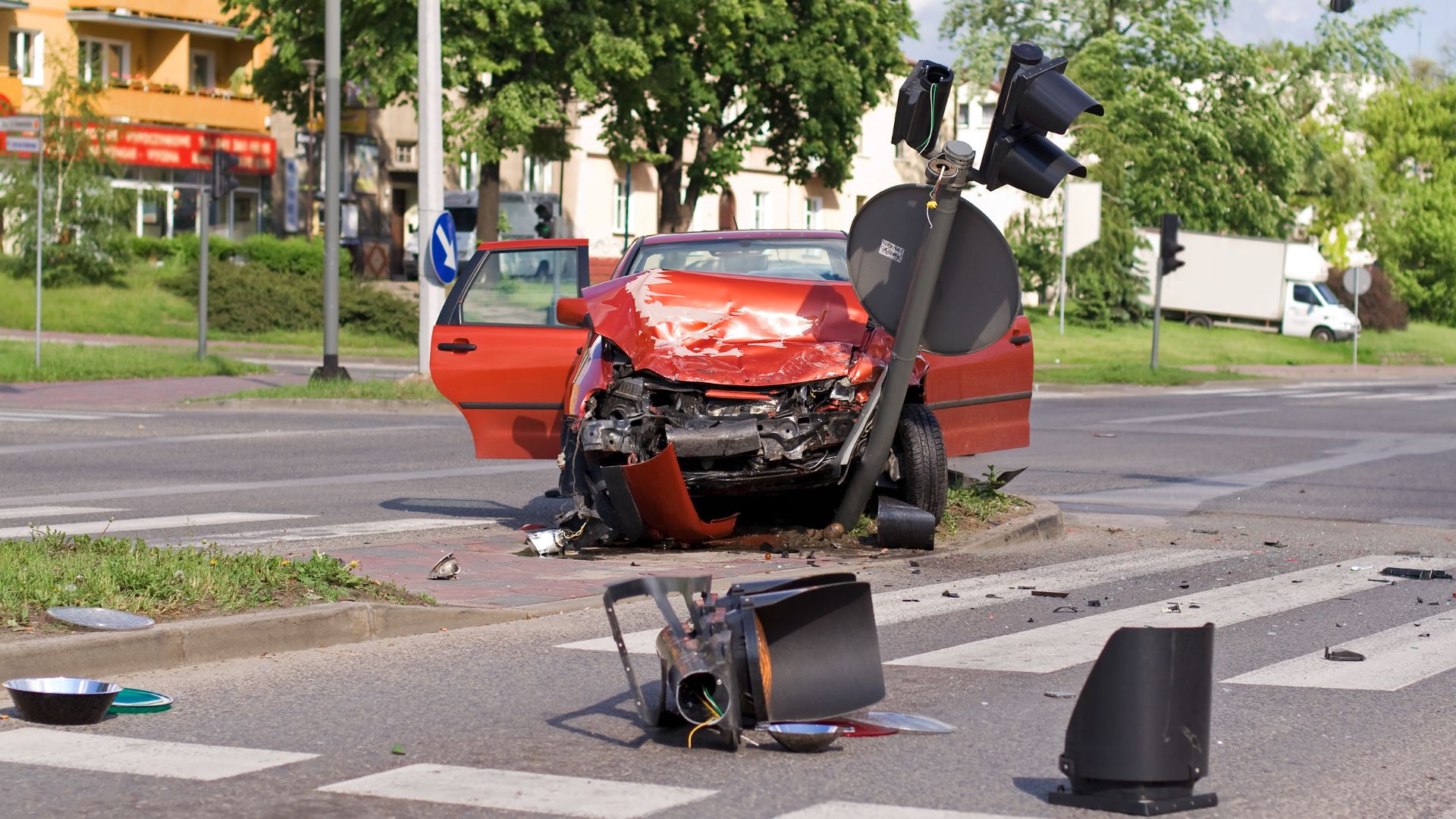
Unsafe driving creates San Jose car accident claims when a driver’s choices leave another person without enough time or space to avoid impact. A crash may begin with speed, distraction, impatient lane movement, poor judgment at an intersection, or a driver who follows too closely in changing traffic. Those actions matter because they explain why the injured person could not prevent the collision through ordinary caution. Robert Hindin & Associates analyzes the sequence before impact to identify which decision placed the injured person in danger. The cause of the crash should be tied to the driver’s conduct, rather than assumptions from the insurance company.
San Jose collisions may involve drivers rushing through traffic, looking away from the road, entering a turn without enough clearance, or failing to adjust when vehicles slow ahead. Each unsafe act creates a different proof issue, which means the claim should reflect the way the crash actually happened. Robert Hindin & Associates reviews the driver’s conduct alongside vehicle damage, medical timing, witness details, and insurance responses. The firm uses those details to show how one unsafe decision led to the injury and the losses that followed. A focused liability review keeps the claim centered on preventable driving behavior.
Speeding Changes Reaction Time and Crash Force
Speeding affects more than how fast a vehicle travels before a crash. Higher speed reduces reaction time, increases stopping distance, and makes the force of impact more serious when another vehicle, pedestrian, cyclist, or motorcyclist is struck. A driver who moves too quickly may be unable to respond when traffic slows, a signal changes, or another vehicle lawfully enters the roadway. Damage patterns, witness statements, crash location, skid marks, and repair records may show how speed contributed to the collision. The claim should explain how the driver’s pace made the crash harder to avoid.
Stopping Distance in Heavy Traffic
Stopping distance becomes important when traffic changes faster than a speeding driver can respond. A driver who follows traffic at an unsafe pace may create a rear-end impact or force another vehicle into a dangerous maneuver. Vehicle damage and scene details may show how little time remained before impact.
Impact Force and Injury Severity
Impact force can affect the seriousness of injuries after a crash. Higher-speed collisions may cause neck pain, back injuries, head symptoms, fractures, and soft tissue trauma even when vehicle damage appears limited. Medical records should connect the injury pattern to the force involved.
Distracted Driving Creates Delayed Reactions
Distracted driving causes crashes when a driver’s attention shifts away from traffic at the wrong moment. A glance at a phone, navigation screen, passenger, food item, or roadside activity may be enough to miss a stopped vehicle, turning car, lane change, or pedestrian crossing. The danger increases when traffic conditions require constant attention and quick adjustments. Phone records, witness accounts, vehicle damage, dash footage, and the driver’s own statements may reveal whether attention was elsewhere before impact. Car accident lawyers in San Jose evaluate distraction by looking at what the driver failed to notice before the crash.
Phone Use Before a Collision
Phone use may explain why a driver failed to brake, yield, or remain in the proper lane. A text, call, app notification, or navigation adjustment can remove attention from the road during a critical moment. Timing evidence may become important when the driver denies distraction.
Missed Braking and Lane Movement
Missed braking and drifting movement often reveal delayed driver attention. A distracted driver may hit a stopped vehicle, enter another lane, or react too late to avoid impact. Those details may support fault when the driver claims the crash happened suddenly.
Unsafe Turns Put Other Drivers in Danger
Unsafe turns create serious crash risks when a driver enters an intersection without enough attention to traffic, signals, pedestrians, cyclists, or oncoming vehicles. A left turn across traffic may become dangerous when the driver misjudges distance or tries to beat an approaching vehicle. Right turns can also cause injuries when a driver fails to check for someone already moving through the roadway. Traffic signals, turn lanes, vehicle positions, witness accounts, and impact location may all show whether the turn was made safely. Liability often depends on what the turning driver should have seen before entering the path of travel.
Left Turns Across Oncoming Traffic
Left-turn crashes often involve timing, visibility, and the driver’s decision to cross another lane of movement. The turning driver may claim there was enough room, while the impact location may show the opposite. Witness accounts and vehicle damage can clarify which vehicle had the safer path.
Right Turns Near Crosswalks
Right turns near crosswalks require careful attention to people and vehicles already in motion. A driver who turns too quickly may overlook a pedestrian, cyclist, or vehicle approaching from the side. Photos and traffic control details may show why the turn was unsafe.
Tailgating Leaves No Stopping Room
Tailgating creates danger because the following driver leaves too little distance to react when traffic changes. A vehicle ahead may slow for congestion, a signal, a turning car, or a hazard, and the driver behind still has a duty to maintain a safe following distance. Rear-end collisions often involve disputes about sudden stops, but those arguments do not excuse unsafe spacing when ordinary traffic changes occur. Vehicle damage, road conditions, witness statements, and repair records may show how closely the following driver was traveling. The claim should address why the rear driver lacked enough room to stop safely.
Rear-End Impacts After Sudden Slowdowns
Rear-end impacts often happen when traffic slows before the following driver reacts. The driver behind may blame the stop, but safe spacing should account for ordinary changes in traffic flow. Damage location and witness accounts can clarify what happened.
Following Distance and Driver Responsibility
Following distance reflects whether the driver allowed enough space for a safe response. A driver who travels too closely increases crash risk even at moderate speeds. Responsibility should focus on the unsafe spacing before impact.
How California Liability Laws Affect San Jose Car Accident Claims
California liability rules affect a San Jose car accident claim by determining who caused the crash and how responsibility is divided. A driver who speeds, follows too closely, turns unsafely, ignores signals, or fails to yield may be responsible when that conduct leads to injury. The legal review also looks at whether the injured person is being unfairly blamed for a crash that another driver created. Car accident lawyers in San Jose examine fault issues before insurance companies use partial information to reduce payment. Liability must be connected to the driver’s conduct and the harm that followed.
A San Jose crash claim may involve multiple legal questions at once. California law may require a review of ordinary care, traffic violations, shared fault, insurance coverage, injury documentation, and filing deadlines. Robert Hindin & Associates evaluates those issues by comparing what each driver did before impact with the medical and financial losses that came afterward. The firm also looks at how insurance arguments could affect the value of the claim before settlement discussions become serious. A liability review should explain responsibility in practical terms.
Driver Responsibility Under California Fault Rules
Driver responsibility begins with the duty to operate a vehicle with reasonable care. A driver who ignores traffic conditions, drives too fast for the situation, turns without enough clearance, or fails to respond to nearby vehicles may violate that duty. The legal question then becomes whether the unsafe conduct caused the collision and the injuries being claimed. Reports, photos, medical records, vehicle damage, and witness accounts may each support that connection. The claim becomes stronger when responsibility is tied to specific conduct instead of broad disagreement.
Ordinary Care Behind the Wheel
Ordinary care requires drivers to watch traffic, control speed, maintain distance, and respond safely to roadway conditions. A driver who ignores those responsibilities may create preventable danger for others nearby. Those facts matter when an insurer disputes responsibility.
Traffic Conduct Before Impact
Traffic conduct before impact often reveals why the crash happened. Lane movement, braking, turning, signal use, and following distance may show which driver created the danger. Those details help separate responsibility from opinion.
Shared Fault Arguments in San Jose Car Accident Claims
Shared fault arguments appear when an insurance company claims the injured person also contributed to the crash. The insurer may point to speed, distraction, lane position, braking, timing, or statements made shortly after impact. California fault rules allow responsibility to be divided, which means the percentage assigned to each person may affect the final recovery. Car accident lawyers in San Jose review these arguments carefully because small factual details can change how blame is assigned. The injured person should not accept fault conclusions based on incomplete information.
Insurance Claims About Partial Blame
Insurance companies may raise partial blame before the injured person understands the full record. Early statements, unclear photos, missing witnesses, or incomplete reports may make the crash look different from what it was. Those issues should be reviewed before fault percentages are accepted.
Records That Clarify Responsibility
Records that clarify responsibility may include photos, repair documents, medical timelines, witness information, and written insurance communications. Each record may answer a different part of the fault dispute. Reliable documentation can limit unfair blame arguments.
Insurance Coverage After a Fault Determination
Insurance coverage becomes important once fault issues begin taking shape. The responsible driver’s policy may affect payment for medical bills, lost income, pain, property damage, and other losses connected to the crash. Some claims also involve underinsured motorist coverage when the at-fault driver does not have enough insurance for the harm caused. Coverage questions should be reviewed early because policy limits and claim timing may affect settlement strategy. The legal claim should identify every available source of recovery.
At-Fault Driver Coverage
At-fault driver coverage may apply when another motorist caused the collision. The available policy may influence negotiation, settlement timing, and the amount the insurer is willing to discuss. Coverage information should be confirmed before major decisions are made.
Underinsured Motorist Issues
Underinsured motorist issues arise when the responsible driver lacks enough coverage for the injury. The injured person’s own policy may need review in that situation. Policy terms and deadlines may affect the available recovery path.
Filing Deadlines and Claim Timing
Claim timing matters because California injury claims have deadlines that affect the right to seek compensation. Waiting too long may create problems with evidence, witness memory, medical documentation, insurance communication, and court filing requirements. A serious injury claim should be reviewed before the delay gives the insurer more room to challenge the case. Robert Hindin & Associates considers timing when evaluating records, fault disputes, medical development, and settlement readiness. Early review gives the claim more room to develop properly.
Preserving Rights Before Delay Creates Problems
Preserving rights requires attention before important dates pass or records become harder to secure. Medical gaps, missing photos, unavailable witnesses, and delayed reports may create avoidable disputes. Early action protects the claim from timing problems.
Settlement Timing After Medical Treatment
Settlement timing should account for the rider’s medical progress and expected recovery needs. A quick agreement may leave out future care, continuing pain, wage loss, or unresolved restrictions. The claim should be evaluated before final release paperwork is signed.
The Approach Robert Hindin & Associates Uses for San Jose Car Accident Claims

Robert Hindin & Associates begins a San Jose car accident claim by separating what is known from what the insurance company is assuming. The first version of a crash may come from a driver trying to avoid blame, an adjuster working from limited details, or a report that does not explain the full injury picture. Our firm reviews the sequence of impact, the driver's conduct involved, the medical timeline, and the practical losses that started after the collision. Car accident attorneys in San Jose should treat the claim as a developing record, not a quick exchange of forms and repair numbers. This approach gives the case room to address fault, injury progression, coverage, and settlement pressure before decisions become final.
Our firm also looks for gaps that might weaken the claim if they are left unanswered. Missing medical follow-up, unclear repair documentation, incomplete wage records, limited photos, or early statements about pain may all become issues during negotiation. Robert Hindin & Associates works to identify those concerns before the insurer uses them to reduce the claim value. Car accident lawyers in San Jose need to address both the crash details and the recovery details because each one affects compensation. A carefully prepared claim should show what happened, who caused it, and how the injury changed the person’s financial and physical stability.
Separating Crash Facts From Insurance Assumptions
Insurance companies may start evaluating a San Jose crash before all meaningful details are available. An adjuster might rely on a short statement, a narrow damage review, or a driver’s explanation that leaves out speed, spacing, distraction, or unsafe movement. Robert Hindin & Associates reviews the available records to identify which facts support responsibility and which claims need a stronger response. Car accident lawyers in San Jose can challenge weak fault conclusions by comparing vehicle damage, photos, report details, witness information, and medical timing. The claim becomes harder to minimize when responsibility is supported by specific crash facts.
Driver Statements and Fault Disputes
Driver statements may leave out details that show unsafe conduct. A person who caused a crash may describe traffic, distance, speed, or timing in a way that protects their own position. Those statements should be compared against the physical evidence and medical timeline.
Evidence That Answers Insurer Claims
Evidence should answer the insurer’s version with concrete details. Photos, repair records, witness information, medical notes, and written communications may each address a different dispute. A stronger record leaves less room for unsupported blame.
Following Medical Treatment as the Injury Develops
Medical treatment after a car accident rarely stays limited to one appointment when pain, stiffness, headaches, nerve symptoms, or mobility problems continue. Robert Hindin & Associates reviews how symptoms were reported, which providers treated the injury, and what restrictions affected work or daily activity. The firm also looks at treatment gaps, delayed referrals, imaging results, therapy notes, and specialist recommendations before settlement discussions begin. Car accident lawyers in San Jose should understand how the medical record developed because insurers often use timing arguments to reduce injury value. A complete treatment timeline gives the claim a stronger connection between the crash and the recovery process.
Medical Gaps and Delayed Symptoms
Medical gaps may create disputes when an insurer argues the injury was not serious. Delayed symptoms may also appear after adrenaline fades and inflammation increases. Treatment records should explain how pain developed and why later care became necessary.
Provider Notes and Work Restrictions
Provider notes can document pain levels, movement limits, medication use, therapy needs, and referral decisions. Work restrictions may show why the injured person missed shifts or could not perform normal duties. These records connect medical care to financial loss.
Building Settlement Demands Around Actual Losses
A settlement demand should reflect more than the earliest bills or the visible vehicle damage. Robert Hindin & Associates evaluates medical expenses, future treatment concerns, missed work, reduced earning ability, transportation problems, pain, and the daily limitations caused by the collision. The firm prepares the claim so the insurer sees how the crash affected health, income, movement, and stability over time. Car accident lawyers in San Jose should present damages in a way that connects each loss to the collision instead of leaving the insurer to decide what counts. Compensation discussions become more meaningful when the demand explains the full recovery burden.
Financial Loss After the Crash
Financial loss may include medical bills, missed wages, repair costs, rental expenses, and reduced work capacity. These costs should be supported by records that show when each loss occurred. Documentation matters when the insurer questions the amount being claimed.
Settlement Timing and Final Releases
Settlement timing should account for ongoing treatment and unresolved symptoms. A final release usually ends the claim, even if future problems appear later. The claim should be reviewed before any agreement closes the recovery.
Call Robert Hindin & Associates Today to Speak With Our Car Accident Lawyers in San Jose
Settlement pressure can arrive while the injury record is still unfinished. An adjuster may ask for answers before doctors know the full treatment plan, before repair issues are resolved, and before wage loss has been fully documented. Robert Hindin & Associates examines those unresolved parts of the claim so that fault, coverage, damages, and timing receive careful attention before the case moves forward. Our firm focuses on what the collision changed in the injured person’s life, including treatment needs, transportation, income, physical limits, and recovery decisions.
The next step after a serious crash should be clear, instead of adding more pressure. Legal guidance can address disputed fault, incomplete medical records, damaged transportation, unpaid expenses, and the risks of closing the case before the losses are fully understood. Robert Hindin & Associates prepares San Jose car accident claims by connecting the crash record, medical timeline, insurance issues, and financial losses into one clear recovery demand. Call us at (310) 473-0337 or visit our contact page to discuss your San Jose car accident claim with our firm today.