
Rideshare Accident Lawyers in San Diego
A rideshare accident in San Diego can involve more than the driver who caused the impact. The trip may include a passenger, an Uber or Lyft driver, another motorist, a pedestrian, and several insurance companies reviewing the crash from different positions. Rideshare accident lawyers in San Diego examine fault, trip status, crash details, medical care, and the insurance response before the claim is treated like a routine traffic accident. Robert Hindin & Associates helps injured people understand which facts may affect responsibility after a rideshare crash and what steps may protect the claim before settlement discussions begin.
The claim may look different depending on whether you were riding as a passenger, driving another vehicle, walking nearby, or working through the rideshare app. One insurer may focus on the driver’s personal policy, another may look at platform-related coverage, and another may dispute whether its policy applies at all. Our rideshare accident lawyers in San Diego can review the crash facts, the available records, the injury documentation, and the compensation issues connected to your recovery. Call Robert Hindin & Associates today at (310) 473-0337 to get a free case review from our rideshare accident lawyers in San Diego.
How Fault Is Determined After a San Diego Rideshare Accident
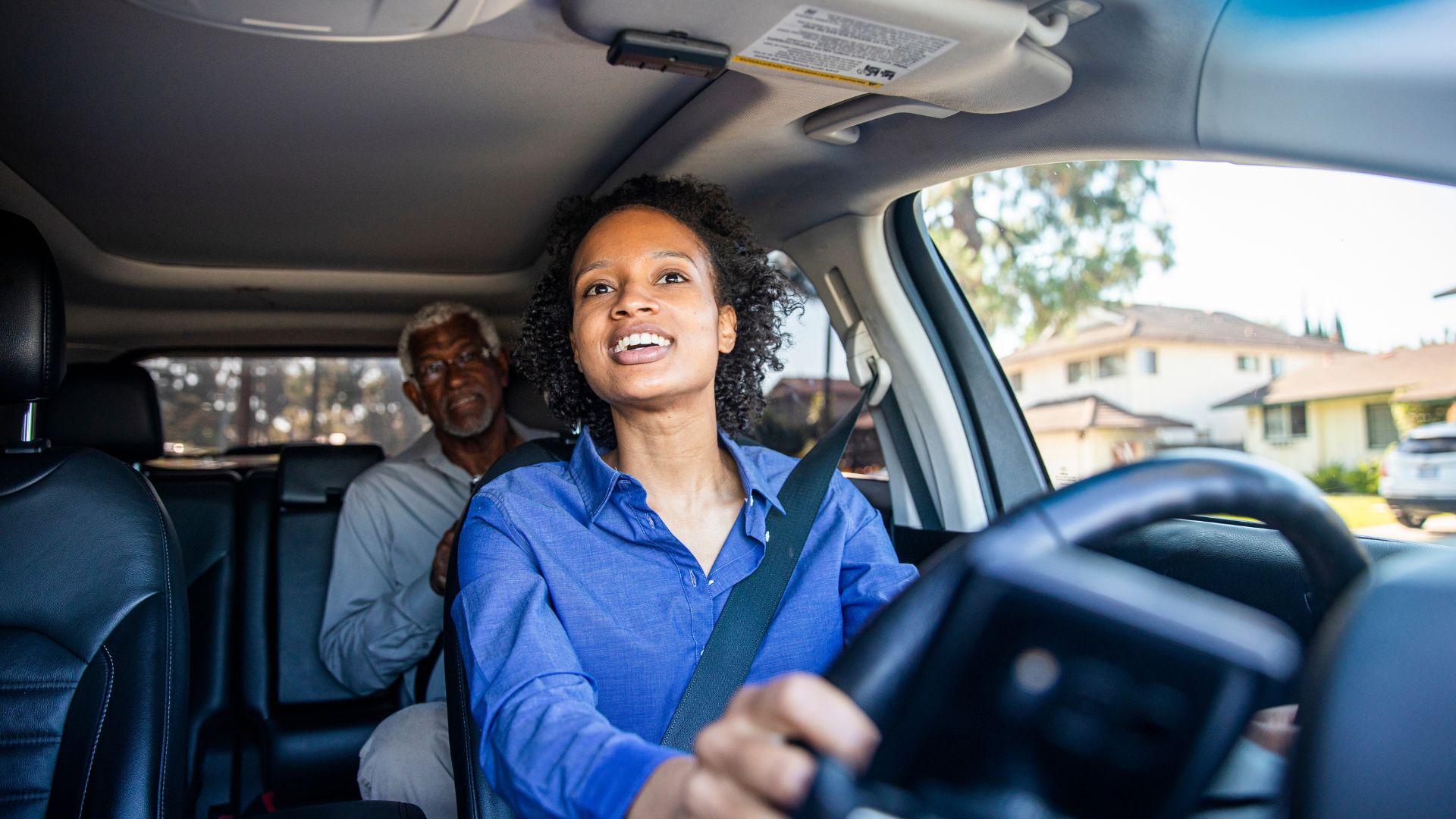
Fault in a San Diego rideshare crash often starts with a simple question about movement. Someone accelerated too quickly, turned without enough space, followed too closely, stopped where traffic did not expect it, or failed to watch for another road user. Robert Hindin & Associates look at those driving choices before accepting a version built around confusion after the impact. The rideshare label can distract from the basic conduct that caused the collision. A careful fault review brings the focus back to the decisions made on the road.
The crash story may include a passenger request, a route change, an unfamiliar pickup area, or another driver entering traffic at the wrong moment. Those details matter only when they explain who created danger and why the collision happened. Robert Hindin & Associates reviews fault by studying vehicle position, driver attention, traffic controls, witness accounts, and the way each person moved before impact. Rideshare accident lawyers in San Diego can also compare those facts with insurance positions when companies disagree about responsibility. The strongest fault analysis follows the crash sequence instead of relying on the first explanation given.
Driving Choices That Created the Hazard
The driver’s conduct before impact often reveals why the crash happened. A rideshare driver may have rushed toward a pickup, watched the phone for route instructions, stopped suddenly, or merged without enough room. Another motorist may have cut across traffic, ignored a signal, or failed to yield near the rideshare vehicle. Rideshare accident lawyers in San Diego review those choices because liability depends on conduct, not only on which vehicle carried the app user. The fault picture becomes clearer when every driver’s movement is placed in order.
Phone Use During Active Driving
Phone use can affect attention even when the driver is following trip directions. A driver may glance at navigation, check passenger information, respond to app prompts, or look away during changing traffic. Those moments can explain why the driver missed a hazard.
Route Instructions Near the Crash Point
Route instructions may show where the driver expected to turn, stop, or continue. That information can help explain sudden movement before the collision. It may also support or challenge what the driver later says happened.
Passenger Position During the Collision
A passenger’s position can affect both fault review and claim direction. The passenger may have been seated inside the rideshare vehicle, stepping into the car, exiting near traffic, or waiting close to the curb. Those facts can show whether the driver stopped safely, chose a risky location, or exposed the passenger to avoidable danger. Rideshare accident lawyers in San Diego consider the passenger’s location because the injury may connect to how the ride was handled. A passenger should not be blamed for danger created by unsafe driving or unsafe stopping.
Pickup Timing and Vehicle Placement
Pickup timing may show whether the vehicle stopped suddenly or blocked a travel lane. Vehicle placement may also reveal whether the driver left enough room for safe entry or exit. These facts can become important when fault is disputed.
Door Opening and Curbside Safety
Door movement can matter when the crash happened during entry or exit. A passenger may have been exposed to traffic because the vehicle stopped in a dangerous position. Curbside details help explain whether the stop created unnecessary risk.
Other Vehicles Who Are in the Fault Review
Not every San Diego rideshare accident is caused by the rideshare driver. Another driver may run a red light, sideswipe the rideshare vehicle, rear-end it near a pickup, or turn across its path. Fault review should include every vehicle that affected the collision, even when the injured person first focuses on Uber or Lyft. Rideshare accident lawyers in San Diego examine outside driver conduct because compensation may depend on more than one responsible party. A complete review prevents the claim from becoming too narrow too soon.
Traffic Violations by Another Driver
Traffic violations can show why another vehicle caused or contributed to the crash. Speeding, unsafe turns, distracted driving, tailgating, and failure to yield may all affect liability. Those facts should be compared with the rideshare driver’s conduct before fault is assigned.
Witness Accounts From Nearby Drivers
Nearby drivers may remember details missing from the police report. A witness may have seen lane movement, braking, phone use, signal timing, or the moment each vehicle entered the intersection. Those accounts can help test competing explanations.
Insurance Blame Compared With Road Evidence
Insurance companies may disagree about fault after a rideshare crash. One carrier may blame another driver, another may focus on the rideshare driver, and a third may question whether the injured person caused part of the incident. These positions should be tested against the road evidence rather than accepted as the final word. Rideshare accident lawyers in San Diego compare insurance explanations with photographs, statements, medical timing, vehicle damage, and trip information. Fault should be evaluated through evidence, not through whichever insurer responds first.
Coverage Arguments After Liability Disputes
Coverage arguments can appear after the companies review who caused the crash. An insurer may argue that another policy should respond because another driver created the danger. Those disputes can delay the claim if fault evidence is incomplete.
Records That Challenge Blame Shifting
Records can challenge blame shifting when insurers point responsibility elsewhere. Photographs, repair estimates, app information, police details, and witness statements may show which explanation fits the crash. A supported record makes it harder to move blame without evidence.
How Rideshare Accident Lawyers in San Diego Build a Claim After an Uber or Lyft Crash
A rideshare injury claim needs more than a crash report and a trip receipt. The case has to show what happened, who was involved, why the collision occurred, which records support the injury, and what compensation should be considered. Rideshare accident lawyers in San Diego build that claim by organizing the event into a usable record, not by treating the crash as a standard rear-end or intersection dispute. The Uber or Lyft connection may affect documents, insurance responses, driver information, and the way responsibility is evaluated. A stronger claim begins when each part of the incident is tied to a specific legal purpose.
San Diego rideshare crashes may involve passenger communications, route details, vehicle damage, medical appointments, police information, and several companies responding at different speeds. Those pieces need to be gathered before memories fade, app information becomes harder to access, or insurers start using missing records against the injured person. Robert Hindin & Associates looks at the claim from the ground up, beginning with the person hurt and the evidence that explains why compensation is being requested. Rideshare accident lawyers in San Diego use that approach to connect the crash facts with the injury record and the financial impact. The claim should be built to answer disputes before those disputes control the process.
Turning Trip Details Into Claim Evidence
A rideshare crash timeline may come from several sources instead of one complete document. Police information, driver statements, passenger messages, trip details, photographs, and medical timing may each explain a different part of what happened. The goal is to show how the ride developed before impact and what changed immediately afterward. Rideshare accident lawyers in San Diego use this timeline to identify gaps, contradictions, and facts that support responsibility. A complete timeline helps keep the claim from depending on one driver’s memory.
Trip Details Placed Beside Road Events
Trip details may show where the ride started, where the driver was headed, and what route was being followed. Road events may show traffic movement, turns, braking, lane changes, or the position of nearby vehicles. Comparing both sources helps explain how the rideshare trip connected to the collision.
Messages Sent Before and After Impact
Messages may reveal pickup instructions, arrival concerns, route confusion, or post-crash communication. These details sometimes show what the driver or passenger understood before the collision happened. They also help confirm the rideshare connection without relying only on later statements.
Securing Driver and Vehicle Information Early
The injured person may not leave the scene with every detail needed for a claim. A rideshare passenger might have only a first name, a vehicle description, a license plate, or a screenshot from the app. Another driver may know the vehicle was connected to Uber or Lyft without knowing whether the driver was carrying a passenger. Rideshare accident lawyers in San Diego work to identify the driver, vehicle, policy information, platform connection, and other parties involved. Early identification prevents the claim from slowing down because basic information remains incomplete.
Driver Identity Beyond the App Screen
The app screen may not provide everything needed for a legal claim. Full driver information, insurance details, vehicle ownership, and contact information may still need confirmation. Those records help place the correct person and vehicle inside the claim.
Vehicle Ownership and Policy Details
Vehicle ownership may matter when the rideshare driver was not the registered owner. Policy details may also affect which insurer responds and how the claim is reviewed. Confirming those facts early helps avoid confusion during claim setup.
Linking Treatment Records to the Crash
Medical proof should explain more than the fact that someone got hurt. The records should show when symptoms started, what body parts were affected, which treatment was needed, and how the injury changed ordinary activity. A rideshare crash may cause injuries to passengers, rideshare drivers, people in other vehicles, bicyclists, or pedestrians near the scene. Rideshare accident lawyers in San Diego review medical documentation to show why the collision caused the harm being claimed. The treatment history should make the injury understandable without leaving the insurer room to dismiss it as unrelated.
Injury Notes With Specific Physical Limits
Medical notes should describe pain, movement problems, work restrictions, sleep issues, and follow-up care. General complaints are easier for insurers to minimize when the records lack detail. Specific notes help show how the injury affected the person after the crash.
Treatment Gaps Explained With Context
Treatment gaps may occur because appointments were delayed, transportation was difficult, or symptoms changed after the first visit. Those gaps should be explained before an insurer uses them against the claim. Context helps keep the medical record from being misunderstood.
Preparing the Claim for Settlement Review
A rideshare accident claim should be organized before settlement discussions begin. The demand needs to include fault evidence, medical records, lost income information, out-of-pocket costs, and details showing how the injury affected the person’s life. Robert Hindin & Associates prepares the claim so the requested compensation is supported by documents instead of general frustration. Rideshare accident lawyers in San Diego use this preparation to address the questions insurers are likely to raise. Settlement review works better when the claim already explains liability, injury causation, and damages.
Losses Arranged by Type of Harm
Losses should be separated in a way that makes the claim easier to evaluate. Medical bills, wage loss, future care, pain, mobility limits, and daily disruption may each require different support. Organizing those categories helps show why compensation should extend beyond the first expense.
Demand Materials Ready Before Negotiation
Demand materials may include photographs, records, bills, pay information, medical summaries, and written explanations of the injury impact. These materials should be ready before negotiation begins. A prepared demand makes it harder for the insurer to treat the claim as unsupported.
What Compensation Does Robert Hindin & Associates Pursue After a Rideshare Injury Accident
Compensation after a San Diego rideshare crash should answer what the collision cost the injured person, not only what appears on the first insurance form. Robert Hindin & Associates evaluates the expenses, income disruption, physical pain, transportation problems, and long-term consequences connected to the injury. The answer can differ for a passenger, a rideshare driver, someone in another vehicle, or a person hurt near the roadway. Rideshare accident lawyers in San Diego need to show how the crash changed the injured person’s medical needs, financial position, and daily stability. A compensation demand should give each loss a reason, a record, and a connection to the collision.
The firm treats damages as a complete recovery picture rather than a quick total gathered from bills alone. A rideshare passenger may lose work after surgery, an app-based driver may lose income because the vehicle is unusable, and another injured motorist may face both medical treatment and transportation strain. Robert Hindin & Associates prepares compensation claims by tying those consequences to documents, treatment records, wage information, and the facts surrounding the crash. This approach helps the claim explain why payment should reflect the full impact of the injury. The final value discussion should account for what the crash created across health, work, and personal life.
Medical Expenses After the Crash
Medical compensation should include the care needed because of the rideshare crash. Emergency treatment, imaging, follow-up appointments, specialist care, therapy, prescriptions, injections, surgery, and future treatment may all become part of the claim. Robert Hindin & Associates evaluates whether the medical record shows a connected path from the collision to the treatment being claimed. Insurers may focus on isolated bills or question later appointments without considering the injury’s progression. A complete medical damages review explains why each stage of care belongs in the compensation discussion.
Emergency Care and Specialist Treatment
Emergency care may show the first documented injuries after impact. Specialist treatment can explain why pain, mobility problems, neurological symptoms, or orthopedic injuries required more attention. These records help connect the crash to the medical decisions that followed.
Future Care Recommendations From Providers
Future care may include therapy, surgery, pain treatment, diagnostic testing, or continued specialist visits. Provider recommendations help show whether recovery remains unfinished. Those opinions can affect settlement value when the injury requires ongoing attention.
Earnings Interrupted by a Rideshare Injury
Lost income can appear differently depending on the injured person’s role in the crash. A passenger may miss shifts, another driver may lose regular wages, and a rideshare driver may lose app income while injured or without a working vehicle. Robert Hindin & Associates reviews pay records, missed work, business income, medical restrictions, and the practical reasons the person could not keep earning normally. Rideshare accident lawyers in San Diego can use this information to show how the collision affected financial stability. Income loss deserves careful treatment because the damage is often larger than a few missed days.
Work Limits After Medical Restrictions
Medical restrictions may prevent standing, driving, lifting, walking, sitting, or working full shifts. These limits should be compared with the injured person’s actual job duties. The claim becomes stronger when the records explain why work changed after the crash.
App Income and Employer Records
App income records may show canceled driving time, reduced rides, or lost earning history after the collision. Employer records may show missed shifts, leave time, reduced hours, or modified duties. Those records turn income disruption into documented financial loss.
Personal Losses Behind the Settlement Demand
A rideshare injury can affect parts of life that do not appear in a repair estimate or hospital invoice. Pain during movement, anxiety in traffic, sleep disruption, missed family responsibilities, and loss of independence may all follow the crash. Robert Hindin & Associates includes these consequences when they are supported by medical records, client history, and specific examples from the recovery period. The claim should explain how the injury affected the person outside the formal insurance paperwork. Personal losses help show why compensation should reflect more than direct expenses alone.
Physical Pain During Ordinary Movement
Pain can affect walking, driving, sitting, carrying groceries, climbing stairs, or getting through a workday. These limits may continue long after the first medical visit. Specific examples help show how the injury changed ordinary activity.
Transportation Problems After the Crash
Transportation problems may follow when a vehicle is damaged, or the injured person cannot drive safely. Missed appointments, reliance on relatives, ride costs, and commuting difficulty can add pressure during recovery. These details help explain the personal disruption caused by the crash.
Reach Out to Robert Hindin & Associates to Get a Free Case Review on Your San Diego Rideshare Crash
An Uber or Lyft crash in San Diego can immediately become a dispute between drivers, insurers, and platform-related coverage. You might have a trip record, driver information, medical bills, missed work, or a damaged vehicle, but still no direct explanation of how the claim should move forward. Robert Hindin & Associates reviews San Diego rideshare accidents by looking at the collision itself, the people involved, the policies in play, and the harm the injury has caused.
Rideshare accident lawyers in San Diego can help when a passenger, driver, pedestrian, or nearby motorist is hurt during an Uber or Lyft trip. The right claim approach depends on the rideshare crash details and the compensation needed for medical care, lost pay, pain, and disruption after impact. Call Robert Hindin & Associates today at (310) 473-0337 or visit our contact page for a free consultation from our lawyers.