
Pedestrian Accident Lawyers in San Diego
A pedestrian accident in San Diego can happen when a careless driver fails to yield, speeds through an intersection, ignores a crosswalk, or turns into a walking path. Pedestrian accident lawyers in San Diego examine these crashes by looking at the driver’s conduct, the walking location, nearby traffic controls, witness accounts, vehicle movement, and the injuries caused by impact. A pedestrian does not have the protection of a vehicle, which means even a brief mistake behind the wheel can lead to serious medical care and lasting physical limits. Robert Hindin & Associates helps injured pedestrians understand how the crash happened, what records may support the claim, and how driver blame should be challenged before it affects the outcome.
San Diego pedestrian accident claims can become difficult when the driver argues the walker appeared suddenly, crossed in the wrong place, or failed to pay attention. Those claims should be compared with the road layout, signal timing, lighting, sight lines, photographs, medical records, and any statements from people who saw the collision. Pedestrian accident lawyers in San Diego can review those details before an insurance company treats the driver’s explanation as the full final story. If you were hit by a car while walking in San Diego, call Robert Hindin & Associates at (310) 473-0337 to discuss your pedestrian accident claim today.
Common Causes of Pedestrian Accidents in San Diego, California
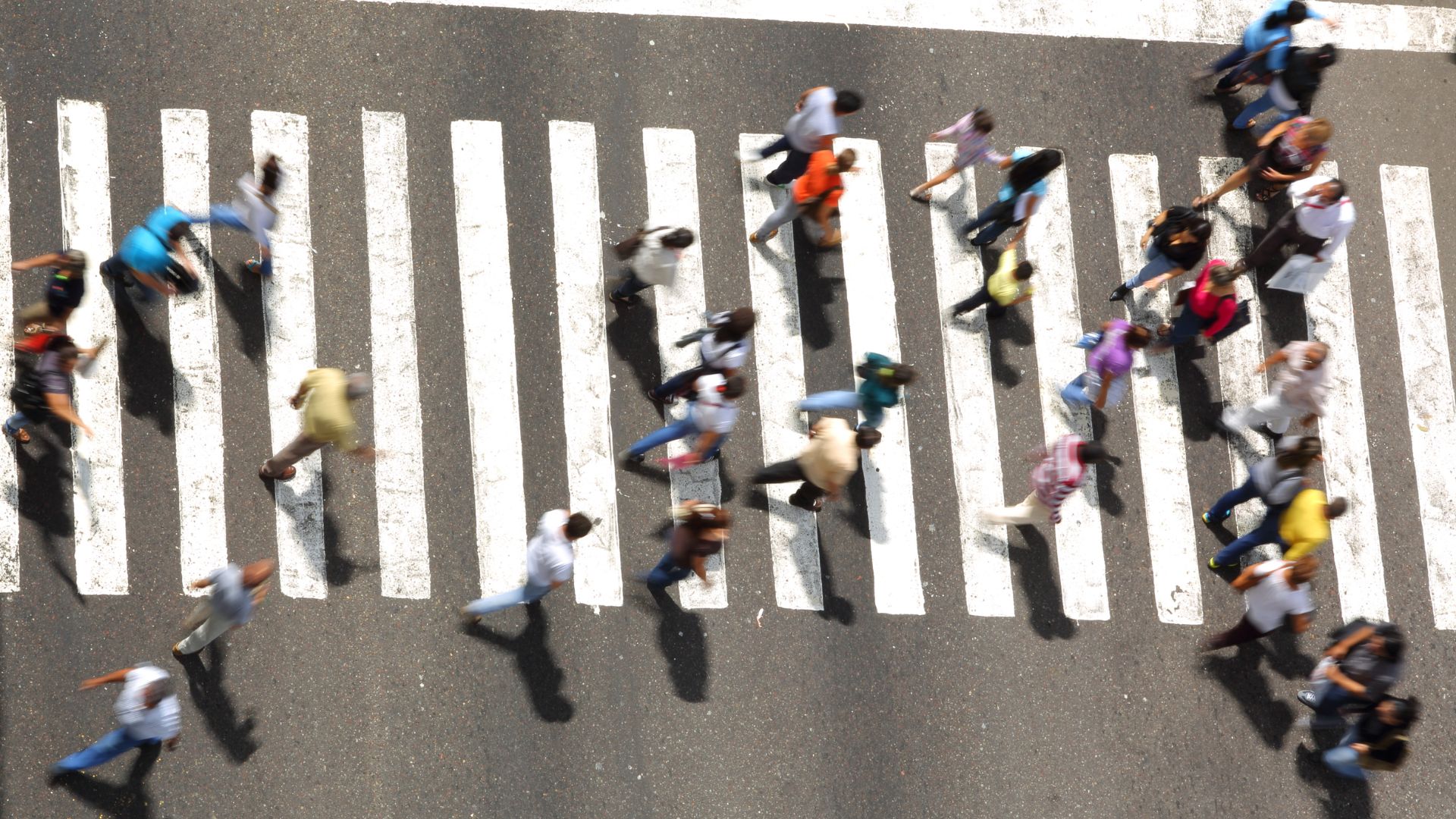
Pedestrian crashes in San Diego often begin with a driver making the walking area unsafe before the person on foot has time to react. A vehicle may enter a crosswalk during a turn, drift through a stop, speed past a signal change, or move from a driveway into foot traffic. Robert Hindin & Associates look at the cause of the crash because the driver’s mistake may not be obvious from the damage alone. The collision needs to be traced through road position, traffic movement, visibility, and the driver’s choices before impact. A cause-focused review helps show why the pedestrian was placed in danger.
Many pedestrian accident claims involve ordinary locations where drivers should expect people to walk. Intersections, parking lots, school zones, transit stops, shopping areas, neighborhoods, and coastal streets can all create risk when drivers rush, look away, or fail to yield. Pedestrian accident lawyers in San Diego examine the setting because the location often explains what the driver should have anticipated. A marked crosswalk, nearby curb, traffic signal, or driveway exit may become important when fault is disputed. The cause of the crash should be understood through the pedestrian’s surroundings, rather than only through the driver’s explanation.
Failure to Yield in Crosswalks
Failure to yield is one of the most direct causes of pedestrian accidents. A driver may turn left across a marked crosswalk, roll through a right turn, or continue forward while a pedestrian is already crossing. The danger increases when the driver focuses on traffic gaps instead of people moving through the intersection. Pedestrian accident lawyers in San Diego review yielding issues because the pedestrian’s right to cross may be supported by signals, markings, signs, or witness accounts. A driver who fails to yield can create serious harm within seconds.
Turning Vehicles Near Walking Paths
Turning vehicles create risk because drivers often watch for cars before watching for pedestrians. A driver may look left for traffic while turning right across a person’s path. That split attention can explain how a pedestrian was visible but still struck.
Crosswalk Markings and Signal Timing
Crosswalk markings and signal timing help show whether the pedestrian had a safe place to cross. Walk signals, countdown timers, lane markings, and turning arrows may all affect the fault review. Those details can challenge a driver who claims the pedestrian appeared unexpectedly.
Speeding Near Pedestrian Traffic
Speeding makes pedestrian crashes more dangerous because the driver has less time to stop. A vehicle moving too fast near a crossing, neighborhood street, school area, or parking entrance may reach the pedestrian before anyone can avoid impact. Higher speed can also make the injuries more severe because the body absorbs greater force. Pedestrian accident lawyers in San Diego review speed when the crash involves long stopping distance, severe injuries, or a driver who claims there was no time to react. The issue is not only how fast the vehicle traveled, but whether that speed fit the surroundings.
Stopping Distance Before Impact
Stopping distance can help explain whether a careful driver could have avoided the crash. Road grade, vehicle speed, traffic flow, and driver reaction time may all affect that calculation. A short warning distance does not always excuse a driver who was traveling too fast.
Vehicle Damage and Injury Severity
Vehicle damage can sometimes help show the force involved in the crash. A cracked windshield, dented hood, broken mirror, or damaged bumper may support what happened during impact. Injury severity can also make a low-risk explanation harder to accept.
Distracted Driving Before Impact
Distracted driving becomes especially dangerous when pedestrians are nearby. A driver may look at a phone, navigation screen, passenger, food, parking space, or rideshare app instead of watching the roadway. Even a brief distraction can cause the driver to miss someone entering a crossing area or walking beside a driveway. Pedestrian accident lawyers in San Diego consider distraction when the driver did not brake, swerved late, or seemed unaware of the pedestrian before impact. The cause of the crash may be tied to what the driver failed to notice.
Missed Hazards During Driver Inattention
Driver inattention can explain why a person on foot was not seen in time. The pedestrian may have been visible from the roadway before the driver looked away. A late reaction can support the argument that attention failed before impact.
Phone Records and Witness Details
Phone records may help show whether the driver was using a device near the crash. Witnesses may also describe where the driver was looking or whether the vehicle slowed. Those details can make distraction harder to deny.
Parking Lot and Driveway Hazards
Driveway and parking lot collisions often happen at lower speeds, but they can still cause serious pedestrian injuries. Drivers may reverse without checking, exit a garage too quickly, or turn through a lot while watching for open spaces instead of people walking. Pedestrians in these areas may be near storefronts, apartment entrances, sidewalks, loading areas, or parked vehicles that block sight lines. Pedestrian accident lawyers in San Diego review these crashes by looking at vehicle movement, blind spots, pedestrian location, and whether the driver checked before moving. A slow-moving vehicle can still be dangerous when the pedestrian has little space to escape.
Backing Vehicles With Limited Visibility
Backing vehicles create risk because the driver’s view may be blocked by mirrors, pillars, parked cars, or building features. A pedestrian may be directly behind the vehicle before the driver notices movement. Backup cameras do not excuse a driver from checking carefully.
Surveillance Footage From Nearby Businesses
Surveillance footage may show how the vehicle moved before impact. Nearby stores, garages, apartment buildings, or parking facilities may have cameras facing the area. That footage can help confirm whether the driver stopped, looked, or reversed without warning.
What Pedestrian Accident Lawyers in San Diego Review When Drivers Try to Shift Blame
Blame shifting after a pedestrian crash often starts with a driver explaining what the walker supposedly did wrong. The driver may claim the pedestrian entered too late, crossed outside a marked area, wore dark clothing, ignored traffic, or appeared from between parked cars. Pedestrian accident lawyers in San Diego review those claims against the physical setting instead of accepting them as fact. The road layout, signal timing, sight lines, lighting, vehicle path, and witness statements can all show whether the driver’s explanation makes sense. A driver’s attempt to blame the pedestrian should be tested against evidence from the scene.
Insurance companies may also repeat the driver’s version before the injured person has gathered enough information to respond. That can create pressure when the pedestrian is still dealing with pain, treatment, mobility limits, and missed work. Pedestrian accident lawyers in San Diego look for details that show what the driver had time to see and what safe driving required in that location. A blame argument becomes weaker when it conflicts with traffic controls, photographs, vehicle damage, or independent witness details. The review should focus on what the evidence proves, not which story appeared first.
Crossing Location Blamed After Impact
A driver may argue that the pedestrian crossed outside a crosswalk to reduce responsibility. That argument does not end the review because drivers still have duties when people are visible near the roadway. The location, traffic speed, lane layout, curb position, and nearby intersections may all affect how the crash is understood. Pedestrian accident lawyers in San Diego compare the crossing point with the driver’s conduct before impact. The issue is whether the driver acted reasonably when a person on foot was present.
Road Layout Near the Crossing Point
Road layout can explain whether the pedestrian was visible before the collision. Lane width, curb cuts, medians, parked vehicles, and nearby signals may affect what the driver could see. These details help test claims that the pedestrian came from nowhere.
Photographs Showing Walking Conditions
Photographs can show where the pedestrian entered the roadway and how the area looked at the time. Sidewalk placement, road markings, visibility conditions, and nearby obstructions may become important. Those images can challenge a driver’s simplified blame argument.
Dark Clothing Used to Question Visibility
Drivers sometimes blame a pedestrian’s clothing when the crash happened at night or in low light. Visibility still depends on streetlights, headlights, vehicle speed, weather, road design, and whether the driver was watching carefully. A person’s clothing does not automatically excuse a driver who failed to slow, scan, or yield. Pedestrian accident lawyers in San Diego review visibility arguments with attention to what a reasonably careful driver should have noticed. The evidence may show the driver had time to react despite poor visibility claims.
Lighting Conditions at the Crash Scene
Lighting conditions can affect whether the driver’s explanation is credible. Streetlights, business lighting, headlights, traffic signals, and surrounding glare may all influence visibility. The review should consider the full setting rather than one claim about clothing.
Headlight Position Before Impact
Headlight position can help show whether the pedestrian was within the driver’s view. Vehicle approach angle, road grade, lane position, and turning movement may affect illumination. Those details can make visibility arguments more specific and easier to evaluate.
Sudden Movement Arguments From Drivers
A driver may say the pedestrian stepped out suddenly to avoid responsibility. That claim should be compared with stopping distance, vehicle speed, traffic conditions, witness statements, and the point of impact. A pedestrian may seem sudden only because the driver was distracted or traveling too fast for the area. Pedestrian accident lawyers in San Diego review sudden-movement claims by studying the seconds before the crash. The driver’s reaction often reveals whether attention and speed were reasonable.
Braking Evidence Before the Collision
Braking evidence may show whether the driver reacted early, late, or not at all. Skid marks, vehicle data, witness descriptions, and damage patterns can help explain timing. A late brake response may support the argument that the driver failed to notice danger.
Impact Location on the Vehicle
The impact location can help explain how the pedestrian and vehicle met. Damage to the hood, bumper, mirror, windshield, or side panel may support or challenge the driver’s account. Those details can help reconstruct the movement before contact.
Pedestrian Distraction Raised by Insurers
Drivers and insurers may argue that the pedestrian was distracted by a phone, conversation, headphones, or surroundings. That claim should not replace the evidence showing what the driver did before impact. Even when pedestrian conduct is questioned, the driver’s speed, lookout, yielding, and reaction remain important. Pedestrian accident lawyers in San Diego examine distraction arguments without letting them erase driver responsibility. The claim should reflect the full sequence, not one accusation against the injured person.
Driver Conduct Still Under Review
Driver conduct remains central when pedestrian distraction is alleged. A driver may still have failed to yield, turned unsafely, rolled through a stop, or ignored a visible person in the road. These facts can prevent the blame review from becoming one-sided.
Evidence Beyond the Driver’s Statement
Evidence beyond the driver’s statement may include witnesses, camera footage, photographs, police details, and medical records. These materials help determine whether the distraction claim has support. A blame argument carries less weight when no independent proof confirms it.
The Approach Robert Hindin & Associates Uses for San Diego Pedestrian Accident Claims

Robert Hindin & Associates approaches pedestrian accident claims by starting with the moment the driver’s choices placed the person on foot in danger. The firm looks at the route of the vehicle, the pedestrian’s location, the traffic controls nearby, the available witness information, and the medical consequences that followed. Pedestrian accident lawyers in San Diego need to understand the collision from street level because a driver’s explanation may leave out details that prove what really happened. A claim involving someone on foot should not depend only on the crash report or an insurer’s early opinion. The review should show why the pedestrian was vulnerable and how the driver’s conduct caused harm.
The firm also considers how quickly the story can shift after a pedestrian crash. A driver may focus on clothing, crossing location, timing, or distraction while the injured person is still dealing with pain, treatment, and transportation problems. Robert Hindin & Associates works to place the attention back on evidence, injury impact, and the responsibilities drivers have around people walking in San Diego. This approach helps the claim answer blame arguments without losing sight of the pedestrian’s recovery. The goal is to present the case through facts that explain both fault and harm.
Reconstructing What Occurred Before the Crash
A pedestrian claim often depends on what happened before the vehicle made contact. Robert Hindin & Associates looks at where the person was walking, how traffic was moving, whether signals or signs controlled the area, and what the driver should have seen. Those details can show whether the pedestrian had already entered a crossing area or was visible before impact. Pedestrian accident lawyers in San Diego use this sequence to challenge stories that make the crash sound unavoidable. Rebuilding the walk helps show the collision from the injured person’s position, not only from the driver’s seat.
Street Features Around the Pedestrian
Street features can explain why the driver should have expected people on foot. Crosswalks, sidewalks, curb ramps, parking lots, bus stops, school areas, and business entrances may all affect the review. These details help place the pedestrian’s movement inside the full traffic setting.
Timing Before Vehicle Contact
Timing can show whether the driver had enough space to slow, stop, or yield. Witness accounts, camera footage, signal cycles, and vehicle movement may help explain those seconds. The closer review can reveal danger that existed before the driver admits seeing the pedestrian.
Testing Driver Excuses Against the Scene
Driver excuses need to be compared with what the scene actually shows. Robert Hindin & Associates reviews photographs, police information, roadway layout, lighting, vehicle damage, and witness details when the driver blames the pedestrian. An excuse about sudden movement, poor visibility, or crossing location may not hold up when the physical evidence tells a different story. Pedestrian accident lawyers in San Diego can use those contradictions to keep the claim from being unfairly narrowed. The scene often contains details that expose weak blame arguments.
Visibility Details Beyond Clothing
Visibility is not determined by clothing alone. Streetlights, headlights, lane position, nearby signs, weather, glare, and the driver’s speed may all affect what could be seen. A driver who blames dark clothing may still have missed a visible person because of inattention.
Damage Patterns With Fault Context
Vehicle damage can help explain how the collision occurred. A dented hood, cracked windshield, damaged mirror, or bumper impact may show where the pedestrian was when contact happened. Those details can support or challenge the driver’s version of events.
Injury Effects Beyond Medical Bills
Pedestrian injuries should be presented through more than billing records. Robert Hindin & Associates looks at pain, movement limits, medical appointments, missed work, physical restrictions, and the way the crash changed the person’s independence. A pedestrian may struggle with stairs, driving, walking through stores, caring for family, or returning to regular work duties after impact. Pedestrian accident lawyers in San Diego should connect those details to the claim because the injury affects a life, not just a file. A complete presentation helps the insurer understand what the crash actually changed.
Medical Records With Practical Detail
Medical records should explain treatment, symptoms, restrictions, and follow-up needs. They should also show how pain affects movement, work, sleep, and ordinary tasks. Practical detail makes the injury harder to dismiss as minor or temporary.
Daily Limits After Leaving Care
Daily limits may continue after the injured person leaves the hospital or doctor’s office. Walking short distances, standing for long periods, lifting groceries, or commuting may become difficult. These limits help show the ongoing effect of the pedestrian crash.
Call Robert Hindin & Associates Today About Your San Diego Pedestrian Injury
A San Diego pedestrian crash forces immediate problems into your life, including medical appointments, transportation limits, pain, missed work, and questions about the driver’s version of events. Insurance pressure may arrive before witnesses are contacted, camera footage is checked, or the walking area is fully understood. Robert Hindin & Associates reviews the collision by looking at where you were walking, how the driver approached, what evidence exists, and how the injury changed your health and daily responsibilities.
Your claim should not depend on the first explanation given by the driver. Pedestrian accident lawyers in San Diego review crossing details, traffic controls, vehicle movement, medical records, and blame arguments when fault or injury severity becomes disputed. Call Robert Hindin & Associates today at (310) 473-0337 or visit our contact page for a free case review from our lawyers in San Diego.