
Car Accident Lawyers in San Diego
Insurance pressure after a San Diego crash begins before the injured person knows how long treatment, repairs, or missed work will last. An adjuster may ask for statements, photos, medical updates, or settlement discussion while pain is still changing and the full record remains incomplete. Car accident lawyers in San Diego evaluate those early requests before the claim is pushed toward answers that do not reflect the full injury. Robert Hindin & Associates examines San Diego collision claims by looking at what the insurer is asking for, what the medical record shows, and what losses still need to be documented.
A car accident claim can lose value when the process moves faster than the recovery. The first repair estimate may not show physical pain, the first medical visit may not capture future treatment, and the first insurance call may not explain who is actually responsible. Car accident lawyers in San Diego review the pressure points that affect fault, coverage, medical proof, and settlement timing before final decisions are made. Call Robert Hindin & Associates at (310) 473-0337 to get a free case review from our car accident lawyers in San Diego today.
How Car Accident Lawyers in San Diego Handle Insurance Pressure
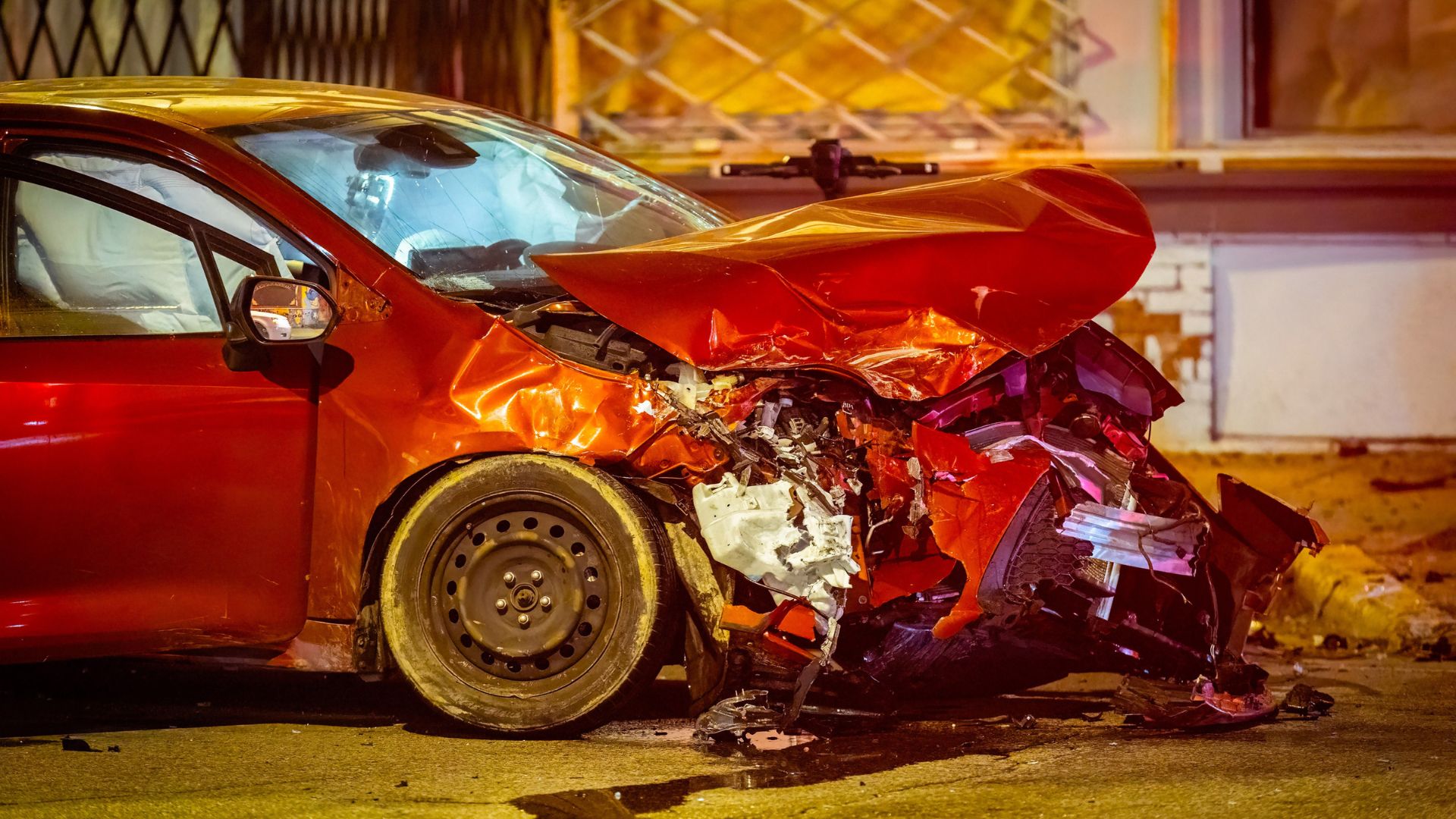
Insurance pressure after a San Diego car accident often starts with ordinary-sounding requests. An adjuster may ask for a recorded statement, medical authorization, repair photos, treatment updates, employment information, or a quick response to an early offer. Those requests can affect the claim when the injured person answers before knowing what the records show or how recovery will develop. Robert Hindin & Associates reviews the purpose behind those requests so the claim does not move faster than the injury record. The insurance process should not control the case before medical care, fault issues, and financial losses are understood.
Pressure can also appear through timing. A claim representative may call repeatedly, suggest the facts are simple, question the need for treatment, or imply that delay will make the case harder to resolve. Robert Hindin & Associates evaluates those communications by looking at what the insurer is trying to obtain and what information the injured person should protect. Car accident lawyers in San Diego can help separate necessary claim updates from requests that may create avoidable problems later. A careful response keeps the case from being shaped by the insurer’s preferred timeline.
Recorded Statements Before the Claim Is Ready
Recorded statements can create problems when the injured person is still dealing with pain, confusion, medication, or incomplete medical information. An adjuster may ask about speed, distance, impact, symptoms, work status, prior health, or memory of the crash before the injured person has reviewed the records. A short answer may later be treated as final even when symptoms change or new facts become available. The risk is not only what is said, but how the answer may be interpreted during settlement review. Legal guidance helps determine whether a statement is necessary and how to avoid inaccurate or incomplete answers.
Questions About Pain and Fault
Questions about pain and fault can sound simple during an early call. The injured person may not know whether soreness, headaches, stiffness, or nerve symptoms will worsen after the first day. Early answers should not minimize injuries before the medical evaluation is complete.
Answers Used During Negotiation
Answers from early calls may appear later during negotiation. An insurer may compare later medical complaints against a brief statement given before symptoms developed. Careful preparation helps prevent avoidable conflicts in the claim record.
Medical Authorization Forms With Unnecessary Access
Medical authorization forms deserve careful review because they may give an insurer access to more information than the claim requires. A broad authorization can allow review of unrelated medical history, old injuries, prior treatment, or records that have little connection to the crash. Insurers may use unrelated details to argue that pain came from something other than the collision. The injured person should understand what records are being requested and why they matter before signing. Medical information should support the claim without opening unnecessary disputes.
Records Connected to the Collision
Records connected to the collision should explain symptoms, treatment, referrals, restrictions, and recovery progress. These documents help show how the crash affected the injured person’s health. They are different from unrelated records that do not explain the accident injury.
Prior Health Used Against Recovery
Prior health issues may be raised even when the crash made symptoms worse. An insurer may point to old treatment to reduce responsibility for current pain. The claim should explain the difference between prior history and new injury effects.
Settlement Offers While Treatment Is Still Active
Early settlement offers may arrive before the injured person knows the full cost of recovery. A quick offer may not account for future appointments, therapy, imaging, missed income, rental costs, continuing pain, or work restrictions. The number may seem useful when bills are building, but accepting too soon can end the claim before later losses are included. Robert Hindin & Associates reviews settlement timing before unresolved medical or financial issues are left out. The decision should be based on the full record rather than the insurer’s first valuation.
Offers Made During Active Treatment
Offers made during active treatment may leave important losses unresolved. The injured person may still need follow-up visits, therapy, specialist care, or additional testing. Settlement should wait until the recovery picture is clear enough to value.
Release Papers Ending the Case
Release papers can end the right to seek more compensation. Once signed, later pain, unpaid bills, or missed income may no longer be recoverable. The document should be reviewed before the claim is closed.
Claim Delays That Create Financial Pressure
Delays and denials can create pressure by making the injured person feel forced to accept less than the claim may be worth. An insurer may wait for more records, question treatment, dispute fault, request repeated updates, or deny parts of the loss without fully explaining the reason. Those tactics can make medical bills, repair problems, and missed work feel more urgent. Car accident attorneys in San Diego can review whether the insurer’s position matches the records or relies on gaps that need to be answered. A delayed or denied claim needs a direct response supported by documentation.
Requests for Repeated Updates
Requests for repeated updates can become difficult when treatment is ongoing. The insurer may ask for new bills, work notes, repair information, or medical summaries before the injured person has complete records. Organized communication helps prevent confusion and missed information.
Denials Based on Missing Proof
Denials based on missing proof should be compared against the available records. Photos, treatment notes, repair documents, wage records, and written communications may answer the insurer’s objection. The response should focus on the specific reason the claim was challenged.
What Evidence Can Strengthen a San Diego Car Accident Claim
Evidence strengthens a San Diego car accident claim when it gives the insurer fewer opportunities to dispute what happened, how the injury developed, and why compensation is owed. A single document rarely carries the whole case, because crash proof, medical proof, and financial proof each answer a different question. Car accident attorneys in San Diego review whether the evidence explains driver conduct, injury timing, lost income, vehicle damage, and the practical costs created by the collision. Strong proof creates a chain from impact to recovery instead of leaving the claim dependent on memory or an adjuster’s narrow reading. The more complete the record becomes, the harder it is for the insurer to separate the crash from the losses.
Timing also affects the strength of the evidence. Photos taken near the collision, witness details saved early, treatment notes from the first visit, and repair records created before major changes occur often carry special value. Robert Hindin & Associates reviews San Diego car accident evidence by looking at when each record was created and what dispute it helps answer. Car accident lawyers in San Diego also compare early crash information with later treatment and financial records so the claim develops in a consistent direction. Evidence should make the case easier to understand before settlement pressure narrows the discussion.
Crash Scene Records Showing Vehicle Movement
Crash scene records help show how the vehicles moved before and after impact. Photos, video, traffic control details, vehicle resting positions, debris location, roadway conditions, and impact points may reveal whether a driver followed too closely, turned unsafely, failed to yield, or entered traffic without enough care. These records matter when each driver gives a different account of the collision. The strongest scene proof explains movement, distance, timing, and contact instead of relying only on broad claims about fault. Preserving those details early helps prevent later repairs, cleanup, or fading memory from weakening the record.
Vehicle Positions After Impact
Vehicle positions after impact may show direction of travel, lane use, stopping distance, and where the collision ended. Those details often support or contradict later driver statements. Photos taken close to the crash preserve information before vehicles are moved.
Damage Patterns on Each Vehicle
Damage patterns help explain where the force entered each vehicle. Front impact, side impact, rear damage, scrape direction, and broken components may reveal movement before contact. Repair records add support when they match the physical damage shown in photos.
Witness Accounts to Prove Driver Conduct
Witness accounts strengthen a claim when they describe what a driver did before the crash. A nearby person might notice speeding, distraction, tailgating, unsafe lane movement, signal use, or a delayed reaction before either driver gives an explanation. Those accounts become important when the at-fault driver leaves out conduct contributing to the collision. Witness information should be saved quickly because people leave the area, and it becomes difficult to identify them later. A useful statement focuses on what happened before impact, not only the confusion afterward.
Independent Observations From Nearby People
Independent observations help separate reliable facts from self-protective driver statements. Someone nearby may have seen the light change, the turn begin, the traffic slow, or the following distance shrink before impact. An outside perspective often becomes important when fault is disputed.
Contact Information Saved Early
Contact information should be saved before witnesses become unreachable. A name, phone number, location, and brief note about what the person saw may all become useful. Early preservation keeps the claim from depending only on the drivers involved.
Medical Records Connecting Symptoms to the Crash
Medical records strengthen the injury side of a San Diego car accident claim by linking symptoms to the collision timeline. Treatment notes may describe pain location, imaging results, medication needs, therapy referrals, work restrictions, and changes in physical ability after the crash. These records help answer insurer arguments claiming the injury was minor, unrelated, or resolved quickly. A strong medical record follows symptoms from the first appointment through later care. The injury proof should match how the crash affected movement, work, sleep, driving, and daily responsibilities.
First Treatment Notes After Collision
First treatment notes create the starting point for the injury record. They may document pain, stiffness, swelling, headaches, dizziness, wounds, or limited movement after impact. Those details help connect the crash to the first signs of injury.
Follow-Up Records Showing Progression
Follow-up records show whether symptoms improved, worsened, or required additional care. Therapy notes, specialist referrals, imaging orders, and work restrictions may explain a longer recovery. Those records prevent the insurer from judging the injury too early.
Financial Proof Supporting the Recovery Demand
Financial proof gives the claim measurable support when the crash affects money, transportation, and work. Pay records, employer letters, repair invoices, rental receipts, medical bills, mileage records, and out-of-pocket expense documentation can show how the collision changed the injured person’s finances. These records matter because insurers often question losses described without support. The demand becomes stronger when each expense or income loss connects to the crash and recovery timeline. Financial proof should show when the loss happened, why it happened, and how it belongs in the claim.
Wage Records After Missed Work
Wage records show missed income during treatment and recovery. Pay stubs, schedules, timecards, tax records, and employer letters may support the amount lost. These documents should match medical restrictions and appointment dates when possible.
Repair Costs and Transportation Expenses
Repair costs and transportation expenses show the practical burden created by the crash. Estimates, invoices, rental receipts, towing bills, and rideshare records may all support the claim. These records help explain losses beyond medical treatment.
How Robert Hindin & Associates Prepares San Diego Car Accident Claims

Robert Hindin & Associates prepares San Diego car accident claims by placing each part of the case in the right order before negotiations begin. The firm looks at the insurance contact first, then the crash record, medical development, work disruption, transportation problems, and any settlement pressure already placed on the injured person. Car accident attorneys in San Diego should understand how one rushed response, missing bill, unclear repair record, or unfinished treatment plan affects the next stage of the claim. This preparation keeps the case from being pushed into a settlement discussion before the record shows the full effect of the collision. A claim has more strength when every important issue is reviewed before the insurer assigns value.
The firm also studies whether the case has enough support to answer the arguments most likely to appear during review. An insurer might dispute fault, separate the injury from the crash, question treatment length, challenge missed income, or undervalue the effect of pain on daily movement. Robert Hindin & Associates addresses those issues by comparing the driver’s conduct with the medical timeline and the losses created afterward. Car accident lawyers in San Diego need to present the claim with enough structure to show why responsibility, damages, and settlement value belong together. Careful preparation gives the injured person a stronger position before final decisions are made.
Sequencing the Claim Before Settlement Review
A car accident claim needs the right sequence before the settlement review begins. Fault issues, medical care, vehicle damage, wage loss, and insurance communications should not be handled as separate pieces with no connection. Robert Hindin & Associates reviews how each part affects the next part of the claim. A repair record might support impact force, a medical restriction might support wage loss, and an adjuster message might show pressure before treatment ended. This sequence helps the claim develop with purpose instead of reacting to each insurer's request.
Insurance Contact After the Crash
Insurance contact often starts before the injured person understands the full claim. Adjusters might request statements, authorizations, repairs, or medical updates while treatment remains active. Reviewing those requests helps prevent early communication from creating later disputes.
Claim Timing Before Negotiation
Claim timing matters before negotiation begins. Medical care, repair documentation, wage proof, and coverage review should be far enough developed to support the demand. Settlement discussions become safer when the record is no longer incomplete.
Linking Driver Conduct to Injury Development
Robert Hindin & Associates reviews how driver conduct connects to the injury pattern after a San Diego collision. A rear impact, unsafe turn, lane change, or failure to stop should match the physical complaints described in treatment records. This link matters because insurers often separate crash mechanics from medical symptoms when reducing value. The firm compares scene details, vehicle damage, medical notes, and follow-up care to show how the collision caused the recovery problems. A stronger claim explains the injury through both the crash facts and the treatment timeline.
Collision Details Supporting Causation
Collision details help explain why certain injuries followed the crash. Vehicle position, impact direction, damage location, and scene photos all provide context for medical complaints. Those facts make the injury connection harder to dismiss.
Treatment Timeline After Impact
The treatment timeline shows how symptoms appeared and changed after the impact. First visits, referrals, imaging, therapy, medication, and restrictions all help explain recovery. This timeline gives the medical record a clear connection to the collision.
Preparing Damages Around the Person’s Actual Recovery
Damages should be prepared around the injured person’s actual recovery instead of a generic list of expenses. Robert Hindin & Associates reviews how the crash affected treatment needs, missed income, transportation, home responsibilities, pain, sleep, and physical movement. The firm also looks at which losses remain unresolved before any settlement demand is sent. Car accident lawyers in San Diego should show how the collision changed daily function and financial stability over time. A damages presentation becomes stronger when it reflects the person’s real recovery course.
Losses Still Developing During Treatment
Some losses continue developing while medical care remains active. Therapy needs, work restrictions, unpaid expenses, and transportation problems might change before recovery becomes stable. These details should be reviewed before the claim is valued.
Recovery Effects Beyond Bills
Recovery effects often extend beyond bills and repair documents. Pain while driving, difficulty sleeping, reduced mobility, and household strain all affect daily life after a crash. Those details help explain the full cost of the injury.
Call Robert Hindin & Associates About a San Diego Car Accident Claim
Insurance companies move quickly when a crash claim still has unanswered medical, repair, and wage issues. Before responding to settlement pressure, the injured person needs to know what the records actually show. Robert Hindin & Associates reviews San Diego car accident claims by comparing the insurer’s position with the collision details, treatment course, coverage questions, and financial harm. The review focuses on whether the claim is ready for negotiation or still missing proof that could affect recovery.
A serious crash should not be reduced to the fastest offer an adjuster is willing to make. Car accident lawyers in San Diego can examine disputed fault, incomplete treatment records, transportation costs, missed income, and the risks of ending the claim too early. Robert Hindin & Associates helps San Diego car crash victims make decisions with a stronger understanding of what is at stake. Call us at (310) 473-0337 or visit our contact page to get help with your car crash claim today.